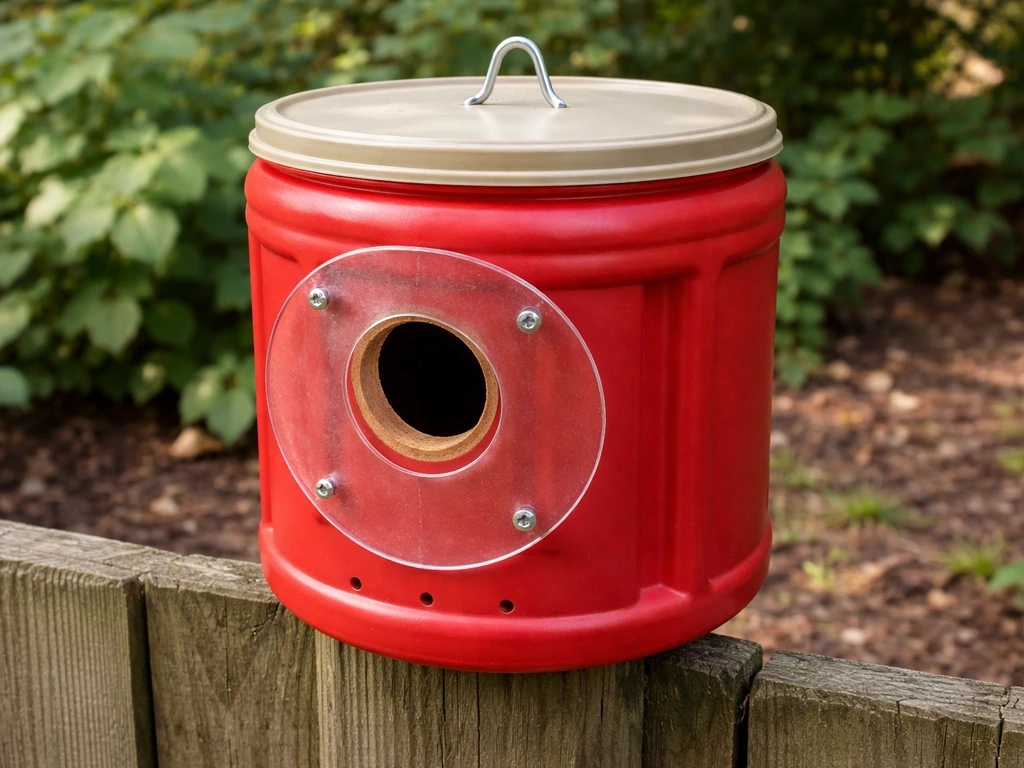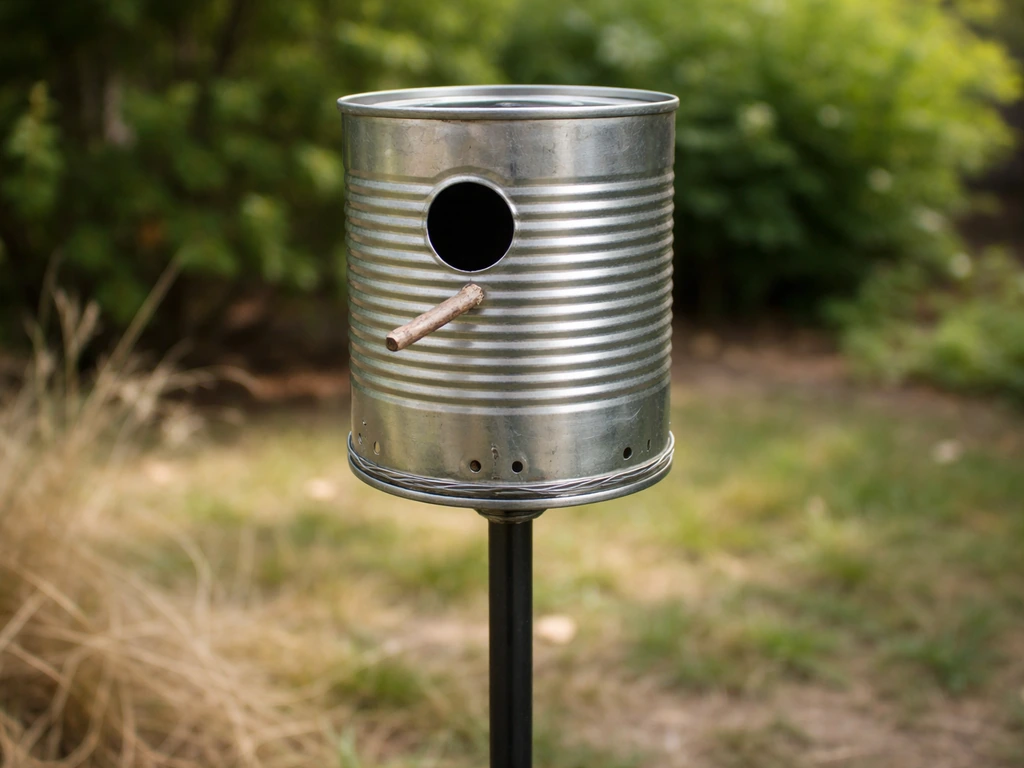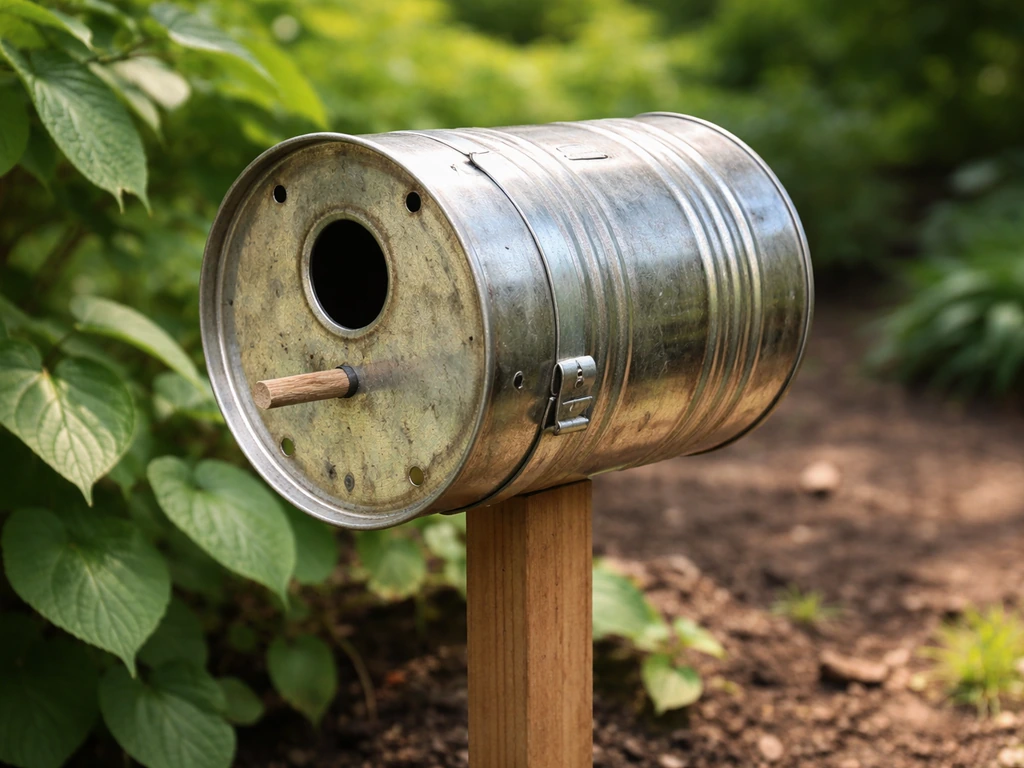
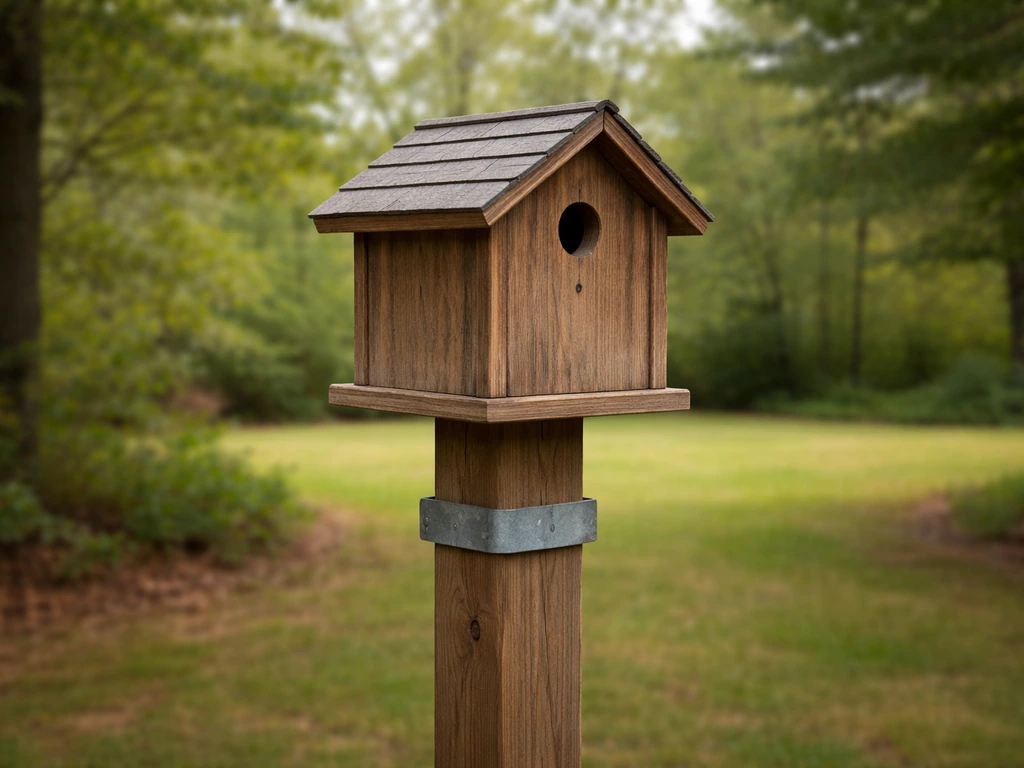
Mount your bird house on top of a post at 5 feet off the ground, face the entrance toward an open area away from prevailing wind and afternoon sun, drill the entrance hole to exactly match your target species, and add a stovepipe baffle on the post below the box. Do those four things and you have solved most of the puzzle. Everything else, from interior dimensions to cleaning schedules, builds on that foundation. If you are building a DIY bird house, you can also learn how a soda can bird house works and what it means for safety and placement.
Post Top Bird House Guide: Build, Mount, and Troubleshoot
Maya Thompson
13 Jun 2026
Which birds actually use a post-top house
Not every bird will move into a box on a post, and knowing which ones will is the fastest way to set yourself up for success. The species that reliably use post-mounted boxes are open-country cavity nesters: Eastern bluebirds, Western bluebirds, Mountain bluebirds, Tree swallows, and, in shrubby or wooded edge yards, House wrens and Black-capped chickadees. Bluebirds are the gold standard for a post-top setup because they naturally nest in open fields or grasslands with scattered trees, and a post in an open lawn essentially mimics that habitat perfectly.
Before you build or buy anything, decide which species you are actually targeting. If you live east of the Rockies, Eastern bluebird is your most realistic goal. West of the Rockies, Western or Mountain bluebird. Heavily wooded suburban yards are better suited to chickadees or wrens. Picking your target species first determines every dimension decision that follows, so do not skip this step.
Getting the dimensions right: hole size, interior, and materials
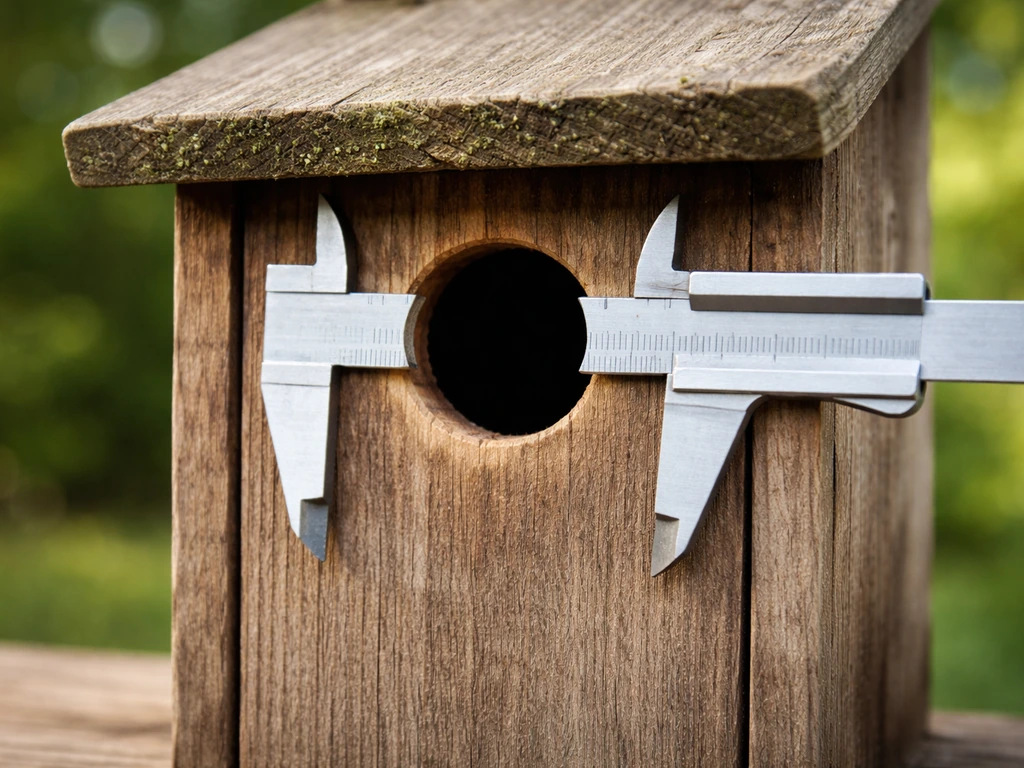
The entrance hole diameter is the single most important dimension. The Wildlife Habitat Management Institute notes that mountain bluebirds use nest boxes with a blank" rel="noopener noreferrer">1 9/16-inch diameter entrance hole. It controls which species can get in and, critically, which competitors cannot. Use a hole saw or spade bit and measure twice: a hole that is even 1/8 inch too large invites House sparrows to take over.
| Species | Entrance Hole Diameter | Floor Area | Cavity Depth | Entrance to Floor |
|---|---|---|---|---|
| Eastern Bluebird | 1 1/2 inches | 5 x 5 inches | 6 inches | 10 inches |
| Western Bluebird | 1 1/2 inches | 5 x 5 inches | 6 inches | 10 inches |
| Mountain Bluebird | 1 9/16 inches | 5 x 5 inches | 6 inches | 10 inches |
| House Wren | 1 1/8 inches | 4 x 4 inches | 6–8 inches | 5–6 inches |
| Black-capped Chickadee | 1 1/8 inches | 4 x 4 inches | 6–8 inches | 5–6 inches |
| Downy Woodpecker | 1 1/4 inches | 4 x 4 inches | 8–10 inches | 6–8 inches |
A few interior details matter beyond the numbers. The inside of the box should never be stained or painted, especially near the entrance hole, because finishes trap heat and expose chicks to chemical fumes. Leave the interior raw wood. Rough up the inside wall below the hole with a chisel or saw kerfs so fledglings can grip the surface on their way out. Drill at least four 1/4-inch drainage holes in the floor corners and leave a small gap under the roof or drill 3/8-inch ventilation holes near the top of each side wall. Without drainage and ventilation, eggs rot, nestlings overheat, and mold builds up fast.
For material, untreated cedar or pine 3/4-inch thick is the classic choice because it insulates well, resists rot, and is easy to work with. If you are tempted to use plastic, avoid plastic coffee can bird houses because those materials can overheat and fail to provide the right cavity conditions for nesting birds untreated cedar or pine. Avoid pressure-treated lumber inside the box. On the outside, a couple of coats of exterior latex paint in a light color (tan, light gray, or white) helps reflect heat without the toxicity risk of stain. Do not add a perch below the entrance hole. Perches look charming but give House sparrows and starlings a staging platform to harass your target birds.
Where to put it: height, direction, and habitat
Five feet above the ground is the sweet spot for bluebirds and Tree swallows on a post-top setup. That height puts the box at roughly eye level, which makes monitoring easy, and it keeps the entrance high enough that ground predators cannot reach in without climbing. Chickadees tolerate a wider range, anywhere from 5 to 15 feet, but 5 feet works fine. If cats are a persistent problem in your yard, bumping the height to 6 or even 8 feet and adding a baffle (more on that below) is a better answer than simply going higher without the guard.
Face the entrance hole toward an open area, ideally with a clear flight path in front. For bluebirds, that means pointing the hole toward the open yard or field rather than a fence or wall. Orientation priority runs roughly east first, then north or south, with west as a last resort because afternoon sun beating directly into a west-facing box can overheat chicks in summer. Avoid pointing the entrance into the prevailing wind, which drives rain inside and chills eggs during incubation.
Habitat around the post matters as much as the post itself. Bluebirds want open lawn or meadow with short grass they can hunt from, ideally within a short fly of scattered trees or shrubs for shelter. If you are also curious about backyard nesting options like coffee can bird houses, the same idea applies: match the setup to what local birds will actually use. Place the post at least 50 feet from dense brush or woodland edges to reduce competition from wrens and House sparrows. Keep boxes for the same species at least 100 yards apart, or you will trigger territorial battles that result in neither box being used.
Mounting the box so it stays put and stays accessible
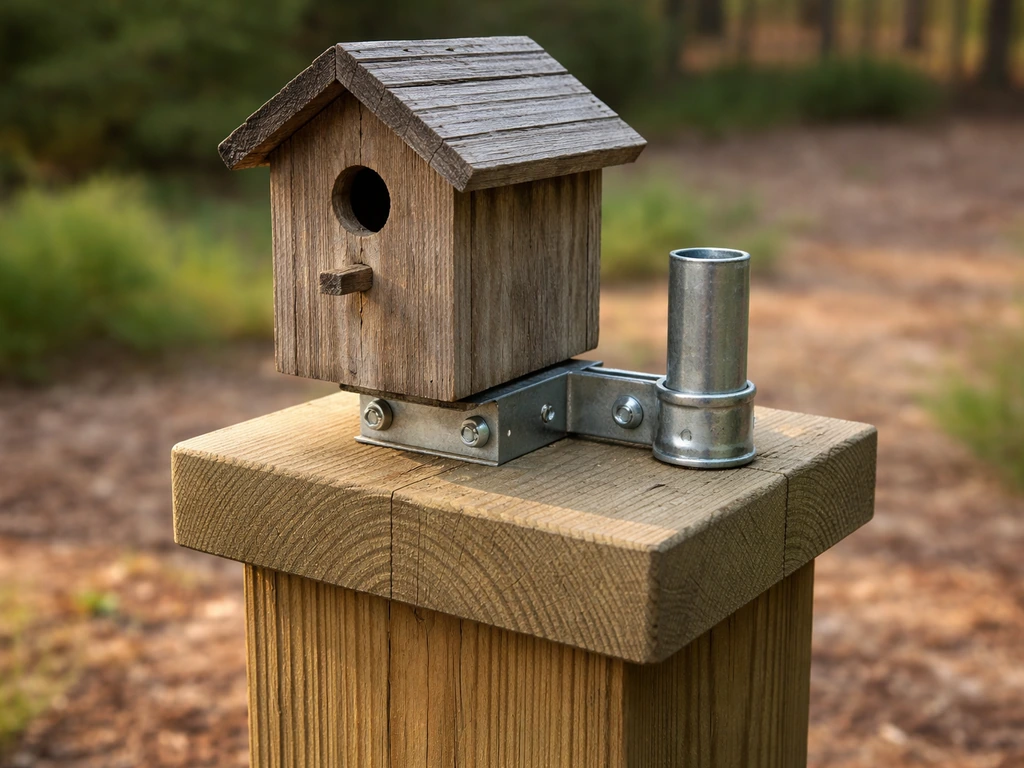
A wobbly box is a box that does not get used. Birds, especially bluebirds, avoid structures that sway. Use a 4x4 wooden post, a 1-inch EMT conduit pipe, or a dedicated galvanized pole driven at least 18 inches into the ground. Concrete around the base is optional but adds real stability in sandy or loose soil.
At the top of the post, the simplest and most reliable mounting method is a galvanized lag screw or carriage bolt run through a pre-drilled hole in the box's back panel or floor cleat, directly into the top of the post. This keeps the box flush and rigid. If you want the option to tilt the box forward slightly for nest inspection, use a single lag bolt as a pivot point and a second bolt below it as a stop. That lets you tip the box forward and peer inside without removing hardware.
Build a hinged side panel or a hinged roof into your design from the start, because clean-out access is not optional. A pivoting side panel held closed by a single screw or pivot nail is the most common approach on bluebird boxes, and it works well. Make sure the hinge or pivot point is at the top of the panel so the door swings out and down, giving you a clear view of the entire cavity. If you are buying rather than building, check that the box has a real clean-out panel before you purchase it.
Predator-proofing your post-top setup
A post-top box without a predator guard is an invitation to raccoons, snakes, and cats. The most effective solution is a stovepipe baffle: a smooth metal cylinder, roughly 8 inches in diameter and 24 inches long, mounted on the post below the box. The top of the baffle should sit between 4 and 4.5 feet off the ground. A raccoon or snake that climbs the post hits the smooth metal cylinder, cannot get a grip, and gives up. Hardware stores sell stovepipe sections that work perfectly, or you can buy purpose-made baffles from bird supply retailers.
If you are on a wooden fence post or deck post where a cylinder baffle is not practical, wrap at least 12 inches of smooth sheet metal around the post about 1 foot below the box. It is less elegant but genuinely effective. Make sure there are no branches, fence rails, or other structures within 10 feet horizontally that a raccoon could use to bypass the baffle by leaping from above.
The entrance hole itself is your second line of defense. A wooden or metal entrance hole extender, also called a portal guard, adds about 3/4 inch of depth to the hole. This makes it nearly impossible for a raccoon to reach in and hook eggs or nestlings with its paw. For areas with European starlings, a 1.5-inch hole on a bluebird box already excludes them, but if House sparrows are overwhelming you, consider a sparrow-resistant entrance design or monitor the box weekly and remove House sparrow nests consistently.
Cleaning and sanitation: what to do and when
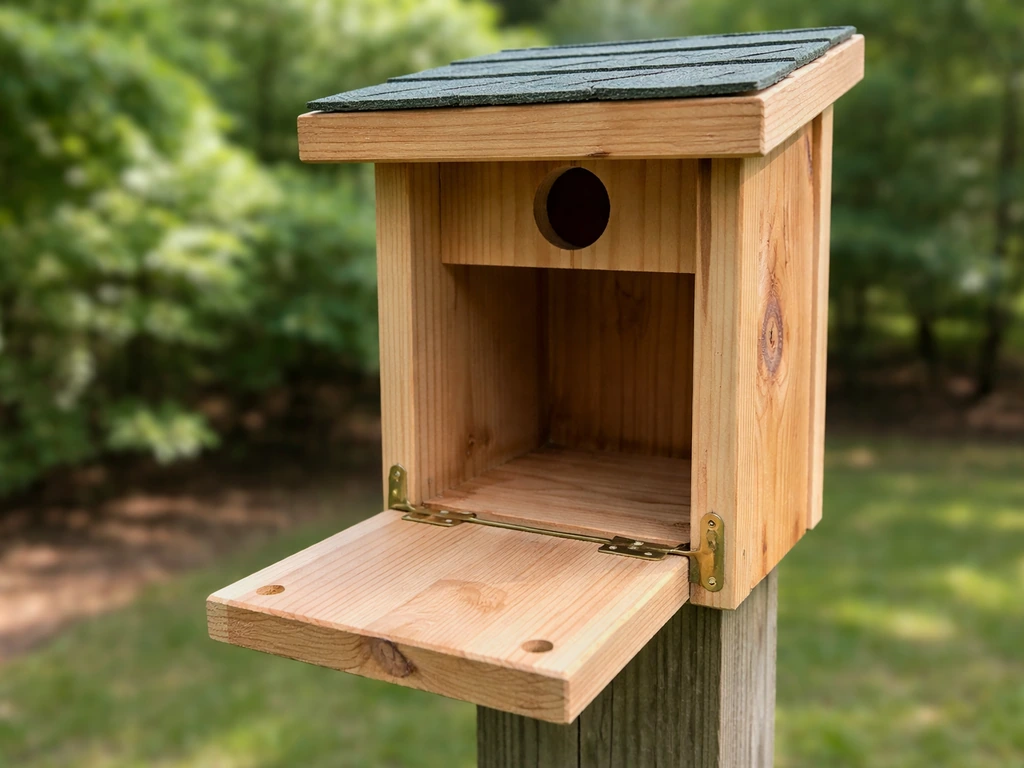
Clean your post-top box at minimum twice a year: once after the last brood has fledged in late summer or early fall (September is a good target), and once in late winter before nesting begins, typically February. San Juan Preservation Trust says it is safe to clean bluebird nest boxes between September and February so breeding cavity nesters can complete their cycles Clean your post-top box at minimum twice a year. If birds raise multiple broods in a single season, removing the old nest after each brood fledges encourages a second or third nesting and reduces blowfly larvae that build up in used nesting material.
- Open the clean-out panel and remove all nesting material. Drop it away from the box rather than directly below it to avoid attracting predators.
- Scrape out any debris, blowfly pupae (small brown capsules in the nest base), or wasp nests with a stiff brush or putty knife.
- Mix a 10% bleach solution (1 part household bleach to 9 parts water) and spray or wipe down the interior walls, floor, and roof.
- Let the box air dry completely with the door open before closing it back up. A damp box invites mold.
- Check the drainage holes and ventilation gaps and clear any blockage with a nail or small drill bit.
- Inspect the exterior for cracks, warped wood, or loose hardware and make repairs before the next season.
Keep the door open only as long as it takes to clean and inspect. Leaving it open longer chills any remaining nestlings and can spook parents into temporary abandonment. During active nesting, check the box no more than once a week, move quickly, and close the door gently. Birds are more tolerant of brief checks than most people expect, but repeated long disturbances do add stress.
What to do when no one moves in (or things go wrong)
If the box sits empty for a full breeding season, work through this checklist before assuming the location is hopeless. Most problems have a straightforward fix.
- Wrong hole size: Measure the entrance hole again. A hole 1/8 inch off can exclude your target species or let in competitors. Re-drill or replace the front panel.
- Too much shade or cover nearby: Bluebirds and swallows avoid boxes hemmed in by shrubs or overhanging branches. Move the post to a more open spot.
- Facing the wrong direction: A west-facing box in a sunny region overheats. Rotate the box so the entrance faces east or away from afternoon sun.
- No baffle and heavy predator pressure: If you find broken eggs, missing nestlings with no other explanation, or scratch marks on the post, add a stovepipe baffle immediately.
- Box too close to another box or feeder: Territorial birds will not nest within sight of a competing nest box of the same species. Space bluebird boxes at least 100 yards apart. Move the box further from active feeders.
- Interior is painted or stained: If someone painted the inside of the box, sand it back to raw wood. Fumes and heat absorption deter birds.
- Wasp or rodent occupation: Remove wasp nests and rodent nesting material before breeding season. A thin coat of bar soap rubbed inside the roof can discourage wasps from returning.
- Nest started but abandoned: Check for drafts by holding your hand near the entrance on a windy day. If air rushes through gaps in the box seams, caulk them. Also check for water pooling in the floor, which indicates blocked drainage holes.
If a nest is present but no eggs appear after two to three weeks, do not assume abandonment. Bluebirds sometimes build a nest cup and pause for days before laying. The Virginia Bluebird Society's guidance specifically cautions against assuming a nest is abandoned just because there is no visible activity for a stretch of time. Watch from a distance for 30 minutes before concluding anything.
Aggression at the box from House sparrows is one of the most frustrating problems on post-top setups in suburban yards. The most effective response is consistent nest removal: check weekly, remove every House sparrow nest before eggs are laid, and repeat. It takes persistence but it works. If House sparrow pressure is extreme and you cannot monitor that frequently, consider relocating the box to a more rural or open setting where House sparrows are less dense.
A quick note on materials and styles
Post-top boxes come in a wide range of materials beyond plain wood. Copper-roofed boxes are attractive and durable but can run hot in direct sun, so watch orientation carefully. Repurposed containers like coffee cans or tin cans have been used as DIY nest boxes, though they require extra ventilation and drainage work to be safe in summer heat. If you try a coffee-can-style DIY nest box, make sure you account for proper ventilation and drainage so it stays safe in summer heat coffee cans. Whatever style you choose, the dimensions table above and the predator-proofing approach stay the same. Material choice affects heat retention and longevity, but it does not change what a bluebird needs in a cavity.
FAQ
Can I mount a post top bird house lower than 5 feet, for easier monitoring?
Yes, but it increases risk from ground predators and reduces your ability to maintain a safe flight path. If you go below 5 feet, plan to rely more on predator guards (stovepipe baffle and/or portal guard) and keep nearby vegetation trimmed, so predators do not gain easy access from the side.
If I do not know which bird species will move in, should I still build for one entrance size?
You should decide based on your region, but you can also use strategy. Stick to the entrance diameter that best fits the species you want most, because a larger hole often invites House sparrows. If you are unsure, prioritize exclusion, then let the first successful nesting confirm your choice.
Is it a problem if the interior wood is slightly smooth instead of rough?
Roughness helps fledglings grip while exiting. If the interior is too smooth, scrape kerfs with a saw or add shallow chisel marks below the entrance hole so young birds can climb out without slipping.
How many drainage holes are enough, and what if my design has a solid floor?
Aim for at least four drainage holes in the floor corners, 1/4 inch diameter. A solid floor leads to standing water, rot, and faster mold. If you cannot drill the floor due to a purchased design, consider replacing the box, because ventilation without drainage is not a full solution.
Do I need ventilation holes if I already drilled drainage holes?
Drainage and ventilation solve different problems. Drainage handles water, ventilation helps reduce overheating and humidity buildup. If your design lacks the recommended top-side ventilation gaps or holes, add them near the upper side walls (or leave a small roof gap) so air can circulate.
What is the best way to prevent swaying if my post is in soft soil?
Drive the pole at least 18 inches into the ground, and in loose soil add concrete around the base for stability. Also avoid attaching the box to a thin bracket that can flex, mount it flush with a through-bolt or lag screw into the post, and confirm the post is level before installing the predator guard.
Can I use a smooth metal pole for the post if I cannot use a wooden 4x4?
Yes. Smooth metal works if you secure the box rigidly through pre-drilled holes and use a baffle below the box to block climbers. However, metal posts can increase climbing success for some predators without a proper baffle, so do not skip the guard.
My box gets a lot of afternoon sun. Should I change orientation or color?
Try to change orientation first, aim the entrance away from intense afternoon sun. If you cannot, use a light exterior paint color to reflect heat. Avoid dark coatings, because even good interior insulation can still overheat nestlings during hot weeks.
How do I know whether the entrance hole is truly the correct size?
Measure the finished hole diameter, not the bit size. Hole saws and spade bits can come out slightly larger once sanded or when the wood tears. If you are between sizes, choose the smaller option and clean the edges, since even a small increase can change which competitors can enter.
What if my birds start building but I keep seeing no eggs for a while?
Do not conclude abandonment too quickly. Some species build a nest cup and then pause before laying. Watch from a distance for about 30 minutes to check for adult activity, then wait through a normal pause period before taking action.
House sparrows keep attacking. Should I trap them or relocate the box immediately?
Start with the step that controls risk without disruption: weekly checks and consistent removal of House sparrow nests before eggs are laid. Relocate only if you cannot monitor frequently, because moving the box too often can also reduce nesting opportunities for your target species.
How often can I check the box during active nesting without causing abandonment?
Limit inspections to about once per week during active nesting, work quickly, and keep the door open only long enough to see what you need. If you need to confirm details like egg count, bring a bright light and a plan so the check is brief rather than repeated.
What if I find an old nest after a brood fledges, can I leave it until fall?
It is better to remove it after each brood fledges if multiple broods are possible. Removing used nesting material reduces parasite and blowfly pressure and encourages the pair to attempt a second or third nesting within the same season.
What should I do if a clean-out door is hard to close after inspection?
Fix alignment immediately. A door that does not seat flush can chill the cavity, let drafts in, or allow predators to slip access. Use a hinge or pivot placement that swings the door down and check that it latches reliably the same way every time.
Do I need an entrance extender (portal guard) if I already have a stovepipe baffle?
In many yards, yes. The baffle stops climbers at the post, but a portal guard adds depth that makes it harder for a raccoon to reach through the entrance and hook eggs. Think of it as a second independent barrier, especially when you have persistent raccoon or snake sightings.
Can I use a coffee-can style DIY nest box on a post top setup?
It can work, but only if you correctly account for ventilation and drainage to handle summer heat. Metal cylinders also benefit from the same predator-proofing and entrance depth principles as wood boxes. If you cannot reliably add drainage and ventilation features, choose a traditional wood box instead.