Match the entry hole to the bird first, and everything else falls into place. A 1.5-inch hole on a box mounted 5 feet high in an open field will pull in Eastern bluebirds. Drop that hole to 1 1/8 inches on the same box and you're set up for chickadees or nuthatches. Go up to 3 inches and mount the box 10 feet or higher in a tree, and you've got screech-owl territory. Get those two numbers right, hole diameter and mounting height, and you'll dramatically increase the odds that the bird you want moves in instead of a house sparrow.
What Birdhouse for What Bird: Choose the Right Size
Maya Thompson
7 Jul 2026
How to figure out which bird you actually want to attract
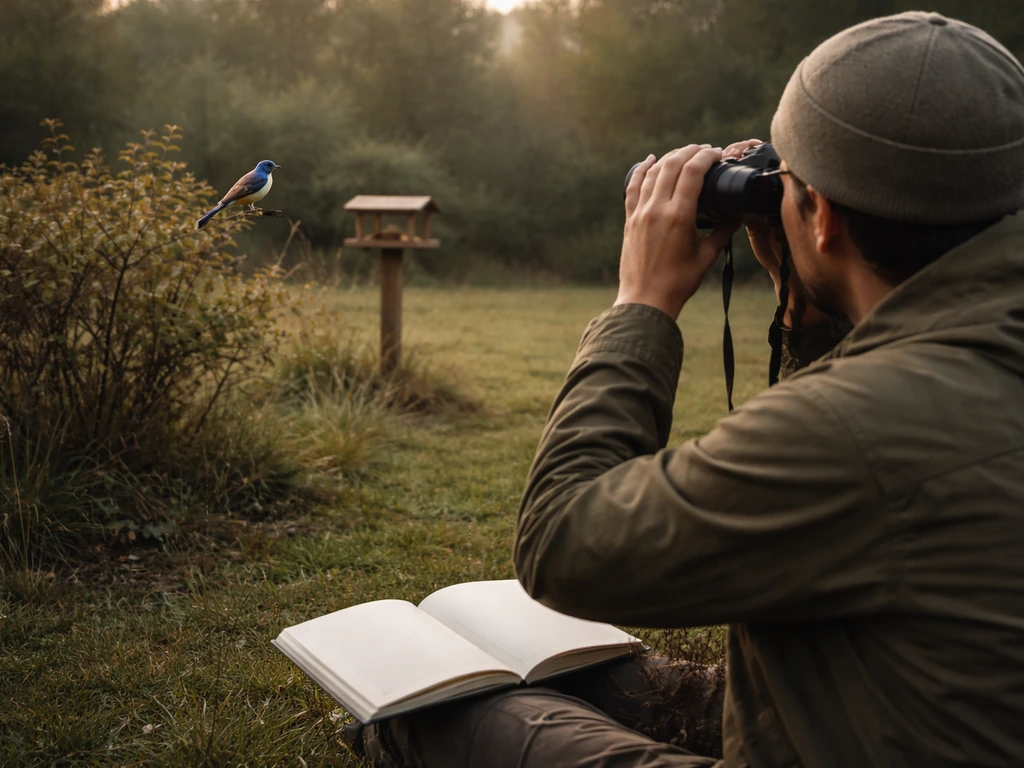
Before you build or buy anything, spend a few mornings watching what birds are already using your yard and the habitat around it. By understanding what attracts birds to bird houses in your specific area, you can tailor placement and box specs to the species most likely to move in what birds are already using your yard. This matters more than most people think, because no amount of the right box will bring in a bluebird if you live in dense suburban forest, that's chickadee and nuthatch territory. Habitat context narrows your realistic target list fast.
Eastern bluebirds are birds of semi-open spaces: mowed fields, farm country, forest clearings, open pine woods, and suburban lawns with scattered trees. If that describes your yard, bluebirds are your best target for a nest box. Tree swallows favor similar open areas but need water nearby. They're easy to spot by their streamlined body, long pointed wings, short squared tail, and a very flat, short bill. Chickadees and titmice prefer woodland edges and yards with mature trees. Barn owls and screech-owls need larger rural properties or mature woodlands, not a typical suburban backyard.
If you're not sure what's in your area, Cornell Lab's eBird tool is useful for checking what species have been reported near your zip code during nesting season (roughly April through July in most of North America). Once you have a realistic candidate, the rest of this guide gives you the exact specs to match.
Cavity nesters vs. birds that won't use a box at all
Only cavity-nesting birds will use an enclosed nest box. These are species that naturally nest in holes in trees, and a birdhouse is simply a substitute for that natural cavity. Robins, mourning doves, cardinals, and most sparrows (except house sparrows) don't nest in enclosed spaces, they build open cup nests in shrubs and trees. No matter how nice your box is, those birds will never use it. Don't build for them; plant dense shrubs instead.
Cavity nesters that readily accept nest boxes include Eastern bluebirds, tree swallows, black-capped and Carolina chickadees, tufted titmice, house wrens, white-breasted nuthatches, Eastern and Western screech-owls, barn owls, wood ducks, and purple martins. Each of these has very specific size requirements. A box too large invites squirrels and starlings; a hole too small keeps your target bird out entirely.
Purple martins are a special case, they're colonial nesters that use multi-compartment martin houses or natural gourds rather than single-cavity boxes. Similarly, barn owls do well with large wooden box designs mounted high in barns or on tall poles, not with the small songbird boxes used for bluebirds and chickadees.
Entrance hole size and interior dimensions by species
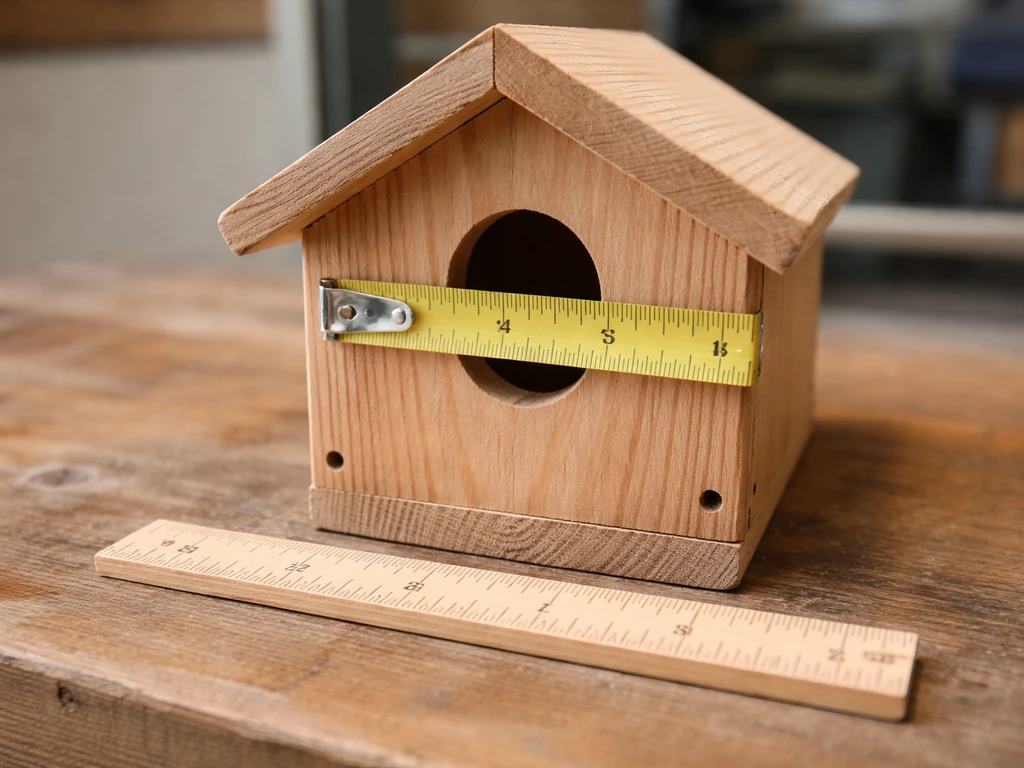
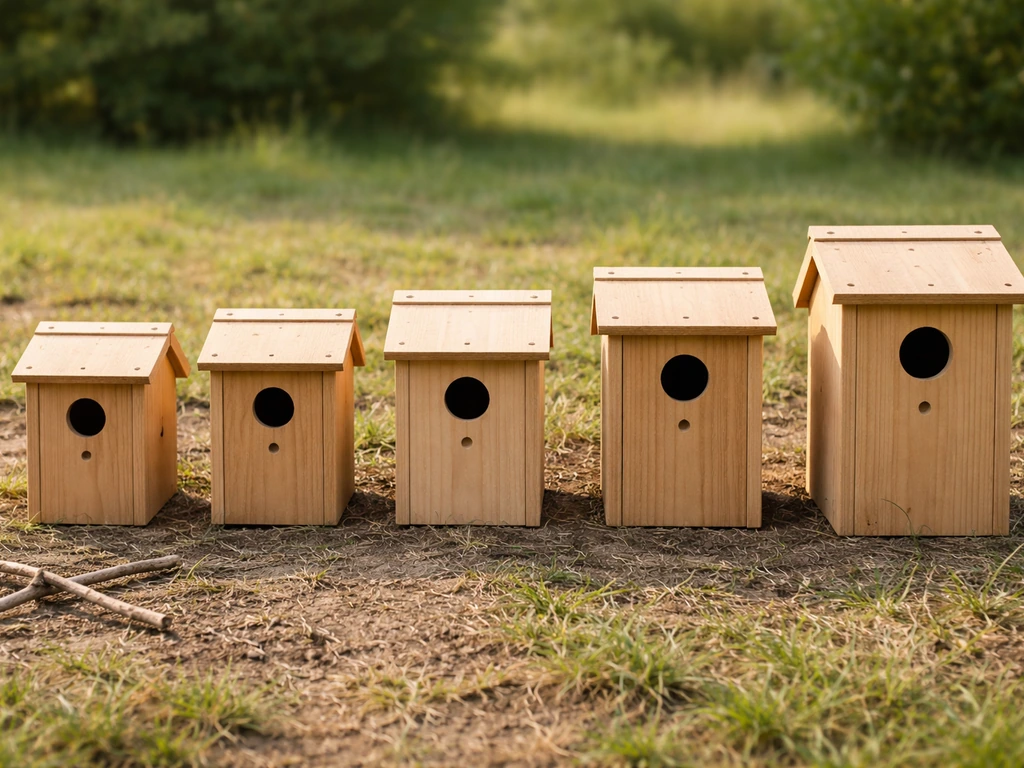
This is the most critical part of the whole guide. The entrance hole diameter is what controls which species can enter. Birdhouse entrance-hole size and mounting height are the two biggest factors for figuring out what bird houses attract which birds. Interior floor size and depth determine whether the birds will actually stay to nest once they're inside. The table below covers the most commonly targeted backyard species. These specs are drawn from NestWatch and NC State Extension dimension tables, and they're the ones I've had consistent results with.
| Species | Floor Size (inches) | Interior Depth (inches) | Entrance Hole Diameter | Hole Height Above Floor (inches) |
|---|---|---|---|---|
| Eastern Bluebird | 5.5 x 5.5 | 9 | 1.5" | 8 |
| Tree Swallow | 5 x 5 | 8 | 1.5" | 6–7 |
| Black-capped / Carolina Chickadee | 5.5 x 5.5 | 8 | 1 1/8" | 6–7 |
| Tufted Titmouse | 5.5 x 5.5 | 8 | 1 1/8"–1.25" | 6–7 |
| White-breasted Nuthatch | 5.5 x 5.5 | 8 | 1 1/4" | 6–7 |
| House Wren | 4 x 4 | 6–8 | 1 1/8" | 4–6 |
| Eastern Screech-Owl | 8 x 8 | 12–15 | 3" | 10 |
| Barn Owl | ~16 x 18 (0.2–0.4 m² floor) | 18+ (min. 450mm depth) | 5–6" square (min. 4", max. ~6") | At entrance level |
| Wood Duck | 10 x 10 | 22–24 | 4 x 3" elliptical | 18–20 |
| Purple Martin (single gourd/compartment) | 6 x 6 | 6 | 2 1/8" | 1–2 |
A few important notes from this table. First, do not add a perch to any of these boxes. A perch gives house sparrows and starlings a staging point to harass nesting birds, and native cavity nesters don't need one. Second, every box needs at least two or three small drainage holes in the floor and ventilation gaps near the top of the side walls.
Without drainage, a wet nest kills eggs and nestlings. Third, for screech-owls, Audubon's build plans specify placing the 3-inch entrance hole 10 inches up from the bottom of the box face, that's not the interior floor but the face of the front panel, so the box needs to be deep enough to protect eggs from a reaching predator arm. Audubon’s build plans specify [placing the 3-inch entrance hole 10 inches up from the bottom of the box face](https://www. audubon.
org/news/how-build-screech-owl-nest-box) when constructing a screech-owl nest box.
Where to put the box: height, direction, and habitat
Getting placement right is just as important as getting dimensions right. NestWatch is direct about this: the vegetation surrounding the box determines which species will use it. You can have a perfectly built bluebird box, but if it's hanging on a tree branch at 8 feet in a wooded backyard, a flying squirrel will take it before any bluebird sniffs it out.
Placement guidelines by species
| Species | Mounting Height | Entrance Facing | Ideal Habitat |
|---|---|---|---|
| Eastern Bluebird | 4–6 feet | East, toward open area | Open fields, lawns, meadows with scattered trees |
| Tree Swallow | 4–8 feet | Away from prevailing wind | Open areas near water; pair boxes 15–20 ft apart |
| Chickadee / Titmouse / Nuthatch | 5–15 feet | North or east | Woodland edge, yards with mature deciduous trees |
| House Wren | 4–10 feet | Avoid south (overheating) | Shrubby yards, garden edges, near brush piles |
| Eastern Screech-Owl | 10–30 feet | East or south | Wooded areas, parks, large suburban trees |
| Barn Owl | 10–20 feet (min. ~10 ft / 3m) | Open flight path | Open farmland, barns, rural fields |
| Wood Duck | 4–6 feet over water | Toward open water | Wetlands, wooded pond edges, streams |
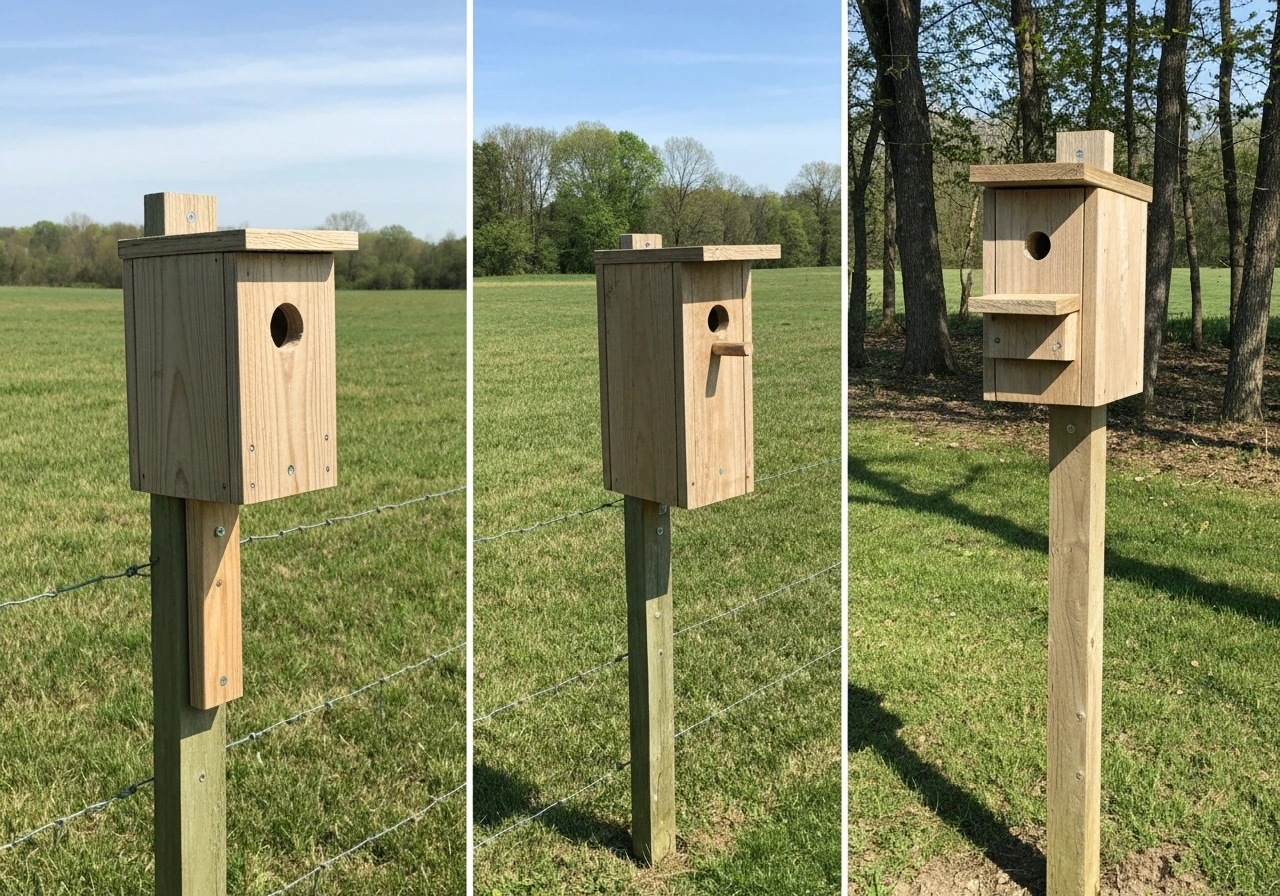
For bluebirds specifically, NestWatch recommends mounting boxes 4 to 6 feet high with the entrance facing east and toward open habitat. To reduce competition with tree swallows (which share the same habitat and entrance hole size), you can pair boxes 15 to 20 feet apart, one for each species, and then space each pair about 300 feet from the next pair along a bluebird trail. That spacing strategy works remarkably well in open field settings.
For all species, mount the box on a free-standing metal pole or PVC pipe rather than nailing it to a tree or fence post whenever possible. This is partly about predator control (covered next), but it also makes monitoring and cleaning far easier. Keep the box out of direct afternoon sun in hot climates; a south-facing entrance in Texas in July can cook eggs and nestlings.
Predator protection and keeping your birds safe
A nest box without a predator baffle is an invitation for raccoons, snakes, and cats. The North American Bluebird Society is clear: in any area with climbing predators, meaning basically everywhere, your mounting pole needs a guard or baffle. The most effective designs for songbird boxes include stovepipe baffles (Kingston Stove Pipe style), Zeleny cone baffles, and 4 to 6 inch diameter PVC pipe sections around the pole. All of these work by creating a physical barrier that a climbing predator can't get past. For extra deterrence, NABS also recommends waxing metal poles regularly so they stay slippery.
Raccoons are strong enough to reach through a standard entrance hole and pull out eggs or nestlings. A simple fix is adding a 1.5-inch thick wooden block (or a commercial metal hole guard) around the entrance hole on the outside of the box. This extends the tunnel depth so a raccoon paw can't reach all the way through. For screech-owls and barn owls with larger holes, predator entrance guards become less practical, height and baffle-on-pole placement are your main tools.
House sparrows are a different kind of threat. They're a non-native species that aggressively competes for nest cavities, and they'll evict or kill native birds and their young. If house sparrows take over a box intended for bluebirds or swallows, the most effective response is to remove the sparrow nest repeatedly. Do not allow house sparrows to establish in any box you're managing for native species. Monitoring the box weekly during nesting season is the best early-warning system. Birdhouses can sometimes draw snakes too, especially if they provide cover near prey or safe hiding spots, so it helps to use predator guards and keep the area clear do bird houses attract snakes.
European starlings are another aggressive non-native competitor, especially for larger-hole boxes targeting screech-owls or wood ducks. Keeping entrance holes at or below 1.5 inches for small songbirds physically excludes starlings. For larger birds, starling-resistant entrance hole inserts with horizontal oval shapes can help.
When to install and what to do when the wrong bird shows up
Install your boxes well before breeding season, not during it. For most cavity nesters in North America, that means having boxes up by late February or early March. Bluebirds start scouting territories in late winter, and a box that isn't up yet in April has already missed the early birds. Tree swallows arrive a bit later in many regions, but the general rule holds: earlier is always better than later.
If a non-target species moves in, your options depend on whether it's a native bird. If a chickadee takes your bluebird box, that's a native bird, and legally and ethically you should leave it alone. You can add a second box nearby with a 1 1/8-inch hole sized specifically for the chickadee and hope a bluebird takes the 1.5-inch box next season. If house sparrows move in, you can and should remove their nest repeatedly, since house sparrows are non-native and not protected under the Migratory Bird Treaty Act.
If no birds move in by mid-May, consider relocating the box. A box that sits empty through peak nesting season usually has a placement problem rather than a design problem. Try moving it 50 to 100 feet in a direction that better matches the target species' habitat preference, more open for bluebirds, closer to trees for chickadees. Also double-check that you haven't accidentally placed it where it gets heavy afternoon sun or where foot traffic frequently disturbs the area.
Cleaning, maintenance, and end-of-season inspection
Cleaning nest boxes regularly is one of the most important things you can do for your birds' health, and most people don't do it nearly often enough. Old nesting material harbors mites, blowfly larvae, bacteria, and pathogens that can harm or kill the next brood.
During the breeding season, wait until the nestlings have fledged and the adults have clearly left before you open the box. Once they're gone, remove the old nest immediately. This gives the breeding pair a clean box for a potential second brood, which bluebirds and chickadees commonly attempt. NestWatch advises leaving nesting material in place while birds are actively using it for a current brood, but removing it promptly after fledging is confirmed.
At the end of the nesting season (typically October or November in most of North America), do a full clean-out and inspection. Remove all nesting material, then scrub the interior with a mild detergent and water. Rinse well and let the box dry completely before closing it up. Sialis.org recommends wearing a dust mask when cleaning, old nest debris can contain dried feces, feather dust, and other material you don't want to inhale. Wash your hands thoroughly after handling any nest box. While you have the box open, inspect it for cracks, warped wood, loose screws, and any damage to the entrance hole that might have enlarged it for predators.
Whether to leave boxes open or closed over winter is a judgment call. Leaving them open prevents moisture buildup inside; closing them (or stuffing loosely with crumpled paper) can provide winter roosting sites for chickadees and other small birds, which is a legitimate benefit. Either approach works, just make sure the box is thoroughly cleaned before winter birds start using it for roosting.
A quick seasonal maintenance checklist
- Late winter (February to March): Install or rehang cleaned boxes before scouts arrive. Check and re-secure baffles and mounting hardware.
- Early nesting season (April to May): Check boxes weekly. Remove house sparrow nests promptly. Note which boxes are active.
- Mid-season (May to July): After each brood fledges, remove old nest material and scrub the interior before the next clutch.
- Post-season (September to October): Full clean-out with detergent and water, wear a dust mask, inspect all wood and hardware, note any boxes that need repair or repositioning.
- Winter: Leave boxes accessible for roosting birds or store them dry if you prefer. Order materials or cut lumber for any new builds before spring.
Getting the right birdhouse for the right bird really does come down to a small set of decisions made in the right order: identify your realistic target species based on your habitat, match the entrance hole and interior dimensions to that species, mount the box at the right height in the right spot, add a baffle, and keep it clean. Do those five things and you're well ahead of most backyard birders. The birds will notice.
FAQ
If I buy a “bluebird” birdhouse, can I just adjust the mounting height to attract bluebirds anyway?
Not fully. Entrance hole diameter is the main gatekeeper, so a house with the wrong hole size will attract the wrong species even if you mount it at the correct 4 to 6 feet. If the hole matches but you still get the wrong bird, then habitat and spacing are usually the problem, not the box label.
What should I do if my box has a perch built in, even though I want native cavity nesters?
Remove it if it is a separate piece you can unscrew or safely modify. Perches increase harassment risk from house sparrows and starlings, and they change how competitors approach the entrance. If it is built-in and you cannot remove it, that box is still usable, but your odds for sensitive targets drop.
My birdhouse doesn’t list interior depth or floor size, how can I tell if it will work?
Measure the usable interior by looking at the floor dimensions and the distance from the floor to the top of the interior space, excluding the roof overlap. If the design seems shallow, birds may enter but fail to successfully nest. In that case, swap to a kit or plans that specify interior depth, not just the entrance hole diameter.
Do drainage holes and ventilation gaps really matter if the area stays dry?
Yes, because wet nests are still a risk from morning dew, splashback from sprinklers, and rainstorms after clear weather. Add at least a couple of small drainage holes, and make sure there is ventilation near the top so airflow prevents excess moisture buildup that can lead to egg and nestling loss.
How do I handle it if I get house sparrows in a box I was managing for a native species?
Remove the sparrow nest repeatedly during nesting season and keep monitoring weekly for early activity. Avoid “waiting to see” since sparrows can establish quickly, and you should not rely on relocating the box because sparrows may simply follow the cavity opportunities you provide.
What if my target bird is native, but another native species moves in, can I evict it?
In most cases you should not evict native birds. A practical alternative is what the article suggests, set up a second box nearby sized for your original target. That way the native tenant can continue legally, while you increase the chance the target species uses the new option next season.
How often should I check the box, and when is it too much disturbance?
Check at least weekly during nesting season for early-warning on competitors and predator visits. Avoid frequent opening during active nesting, wait until fledging and adult departure before removing old nests, and keep handling time short to reduce stress and abandonment.
Should I add extra entrance guards for raccoons or cats if I already have a baffle on the pole?
A baffle blocks climbing predators, but raccoons can sometimes reach through typical songbird entrances. If you manage a box with a small hole, add an entrance tunnel block or hole guard to prevent a paw from reaching eggs. For larger-hole owl boxes, rely more on height and baffle-on-pole placement since entrance guards are less practical.
My box stays empty until late spring, does that mean the design is wrong?
Often it means timing or placement is off, not always the dimensions. The article notes that many cavity nesters begin scouting in late winter and early spring, so a box put up late can miss the window. If you installed early and it is still empty by mid-May, then relocate 50 to 100 feet and reassess sun exposure and habitat fit.
Where should I point the entrance, and does direction matter outside of bluebirds?
Direction matters most for species where sun and microclimate strongly affect heat buildup. For bluebirds, facing east and toward open habitat is a clear guidance point, and in hot regions you also want to avoid direct afternoon sun regardless of species so eggs and nestlings do not overheat.
Can I put multiple birdhouses on the same pole or nearby, and will that cause conflict?
You generally can, but spacing and species compatibility matter. For bluebirds versus tree swallows, the article recommends a structured spacing strategy, one for each species and farther-apart pairs. If you stack boxes too close, you increase competition and may invite swapping by cavity competitors.
Do I leave the birdhouse open in winter, or should I close it?
Either can work, but choose based on your local moisture and how the birds roost. Leaving it open reduces internal moisture buildup, while closing it loosely with crumpled paper can provide roosting shelter for small birds. Whichever approach you pick, fully clean the box before winter to reduce mite and pathogen carryover.
When cleaning after the season, is it safe to scrub with strong chemicals?
Use mild detergent and water, then rinse well. Strong chemicals can linger and irritate or harm birds later. Let the box dry completely before closing, and inspect the entrance area to confirm it has not been enlarged by predators.