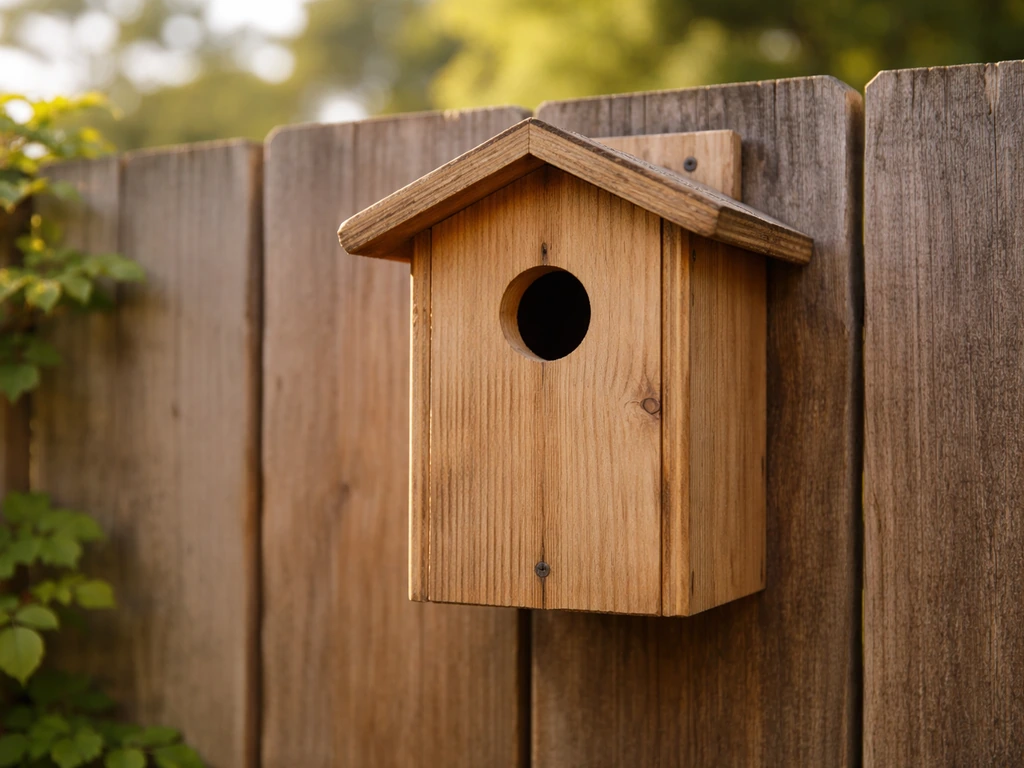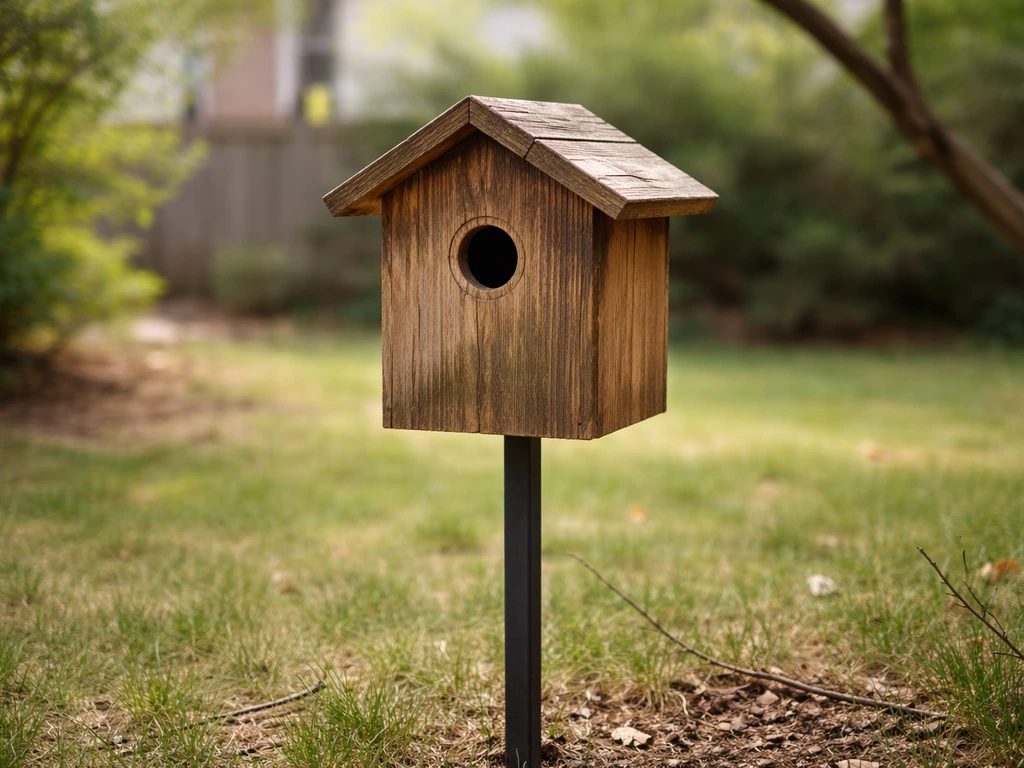
Crows do not use bird houses. They are not cavity nesters, so a standard nest box is simply the wrong shape and size for how they build and use nests. What crows do instead is construct large, bulky stick-and-mud basket nests placed openly in trees or on elevated structures, typically 22 to 26 inches across. No standard bird house accommodates that, and crows have no instinct to seek one out. That said, crows are highly intelligent and curious, and they absolutely will investigate a bird house in your yard, especially if smaller birds are nesting in it. That investigation is the real problem to solve.
Do Crows Use Bird Houses? How to Stop Them and Attract Birds
Maya Thompson
22 May 2026
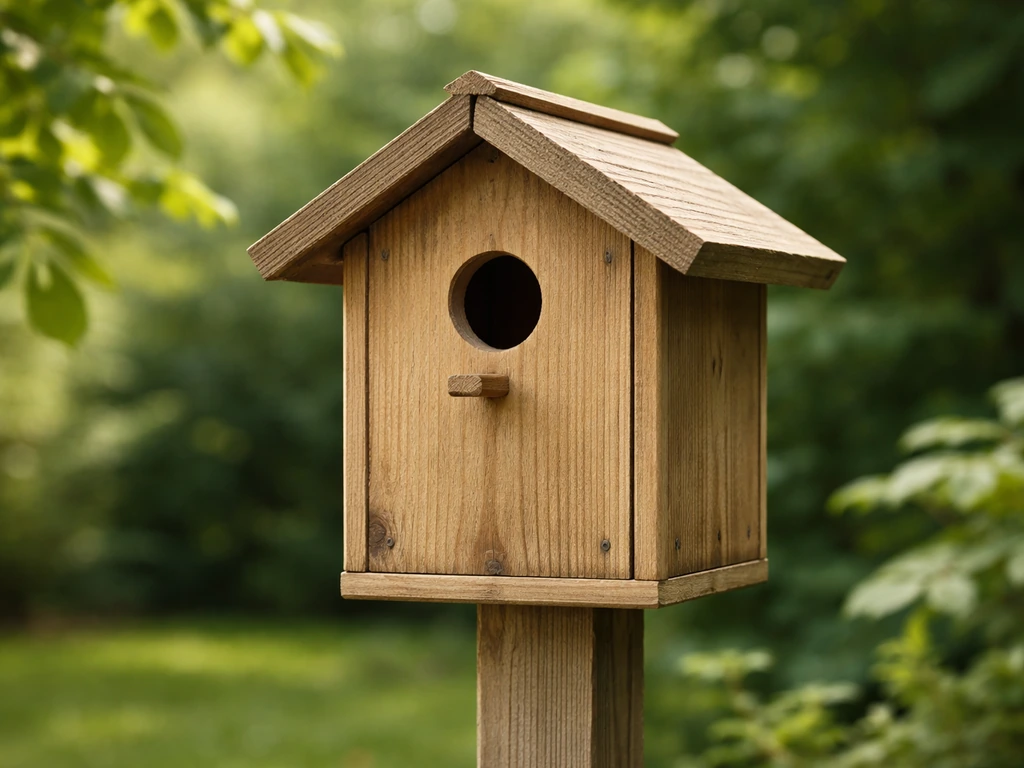
Do crows use or occupy bird houses?
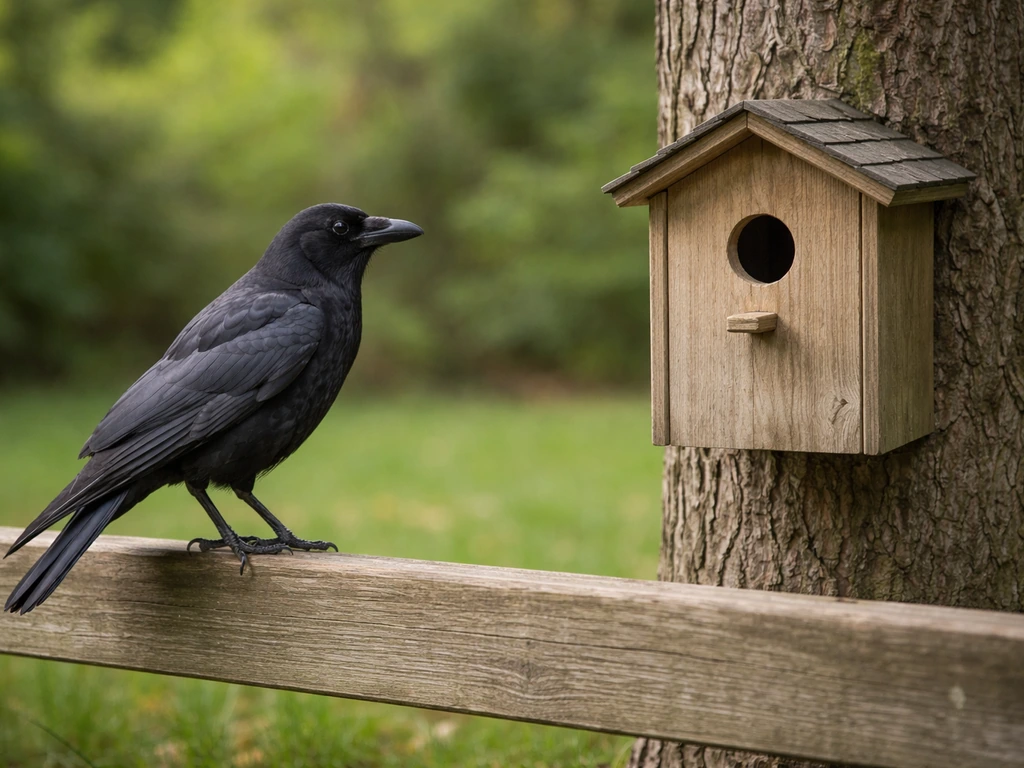
No crow species in North America is a cavity nester, which means none of them have the biological drive to find or enter a hollow tree, a wooden box, or any enclosed chamber for nesting. The American crow, fish crow, and northwestern crow all build open-platform nests from sticks, bark, and mud. Cornell Lab's crow FAQ confirms that crows build a brand-new nest for each nesting attempt rather than reusing cavities, which is fundamentally different behavior from bluebirds, chickadees, or wrens that actively seek out enclosed nest boxes. You will not find a crow sitting inside a bird house raising a family.
Where things get more interesting is crow opportunism. Research has documented that crows willingly incorporate human-made materials into their nests, including anti-bird spikes and plastic, which shows they are not shy about interacting with artificial structures. A fish crow study also noted nest-building in unusual locations tied to human-altered environments. None of that equals cavity use, but it does mean crows are observant, adaptable birds that will notice and approach structures in your yard, including your nest boxes.
Why crows might investigate your bird house anyway
Crows are predators of nesting birds. If you want to know what birds use bird houses, cavity-nesting species are the ones to focus on Crows are predators of nesting birds. . blank" rel="noopener noreferrer">OSU Extension specifically lists crows among the predators that pose a risk around artificial nest boxes.
During nesting season, a crow patrolling your yard is not looking for a home, it is looking for a meal. Eggs, nestlings, and even adult birds can attract crow attention. If a crow has learned that a particular nest box in a particular yard reliably holds eggs or chicks, it will come back. Crows are also territorial during their own nesting season and may investigate competing bird activity near their territory out of curiosity or aggression.
Sensory investigation is part of crow behavior too. Research on American crow anti-predator behavior shows they use both visual and audio cues when interacting with their environment. A nest box with active occupants (sounds of chicks, adult birds flying in and out) is a sensory beacon that a nearby crow will notice and may approach repeatedly. So even though crows have zero interest in living inside a bird house, they have plenty of reasons to get close to one.
If you are also wondering how do bird houses work in general, the key is matching the entrance size and enclosure style to the species you want to attract. In winter, many birds switch to different shelter and food strategies, so whether bird houses are used then depends on the species and the design of the house use bird houses in the winter.
How crows differ from cavity-nesting birds in shelter needs
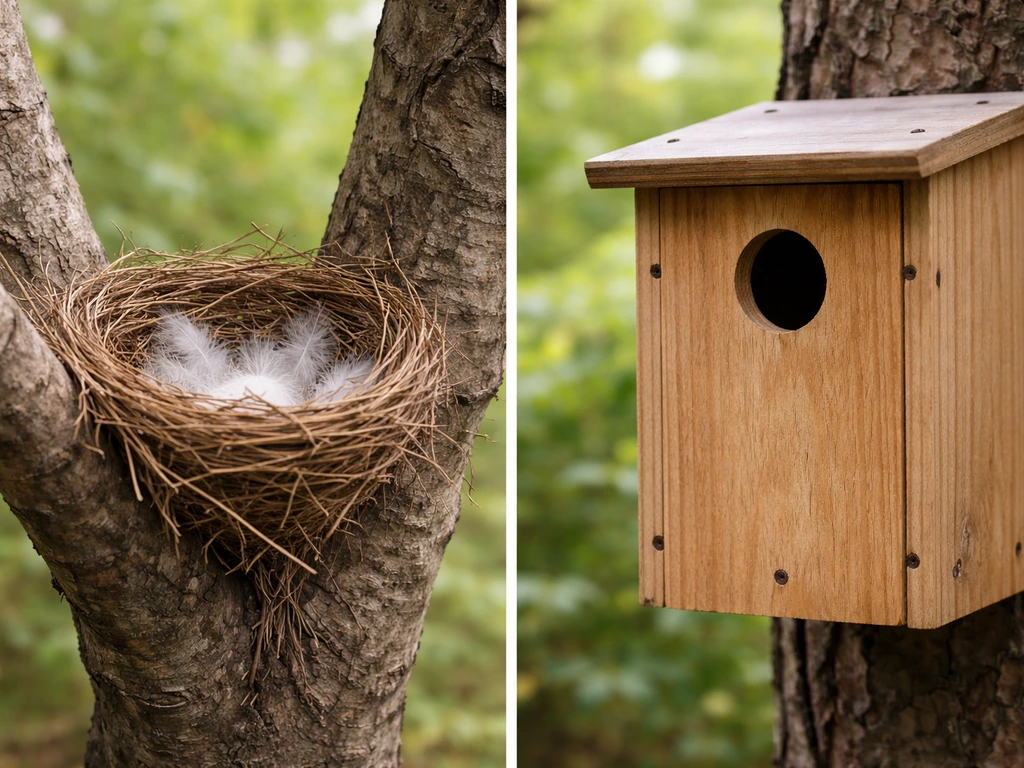
Cavity-nesting birds evolved to seek out enclosed spaces because the walls of a cavity provide protection from weather and dramatically reduce predator access. Species like Eastern bluebirds, Carolina chickadees, house wrens, and tree swallows have specific entrance-hole size requirements shaped by millions of years of using natural tree cavities. A chickadee needs an entrance hole of about 1 1/8 inches in diameter. A bluebird needs 1 1/2 inches. These are precise measurements that match the bird's body size and keep larger animals out.
Crows, by contrast, evolved as open-cup nesters. Their nests are large and visible, usually placed high in a tree fork or on a structure where the birds can spot approaching predators from a distance. A bird house entrance hole that a crow could even physically fit through would need to be enormous, far outside any reasonable nest box design. The Pennsylvania Game Commission describes crow nests as measuring 22 to 26 inches across, roughly the footprint of a small coffee table. A nest box built to those specs would not resemble anything in standard bird house guides.
This distinction matters practically because it tells you what to do. The goal is not to build something that excludes crows from being attracted to a structure they might want to live in. The goal is to protect the small cavity nesters you do want from crow predation and disturbance.
What to do if crows show up at your bird house
If you are seeing crows hanging around your nest box, act quickly. During active nesting, every day of disturbance puts eggs or nestlings at greater risk. Here are the immediate steps to take.
- Check whether the box currently has an active nest with eggs or live young. Do not open or disturb an active nest, it is illegal under federal law to handle or physically disturb a native bird's active nest or its contents. Observe from a distance first.
- Add a metal entrance hole guard if you do not already have one. NC State Extension specifically recommends a metal entrance guard and notes that boxes without perches reduce access by larger, aggressive birds. A metal guard (also called a metal hole protector or portal guard) prevents a crow from enlarging the entrance hole with its beak.
- Remove any perch from the front of the box if one is present. Perches give crows and other large birds a landing platform that makes it easier to reach into or block the entrance.
- Install or check your predator baffle. If the box is pole-mounted, a cone or cylinder baffle below the box significantly reduces access. Tennessee Wildlife Resources Agency confirms that while no guard is 100% effective, baffles substantially reduce predation.
- Consider temporarily adding a plastic tube entrance extender (sometimes called a Bird Guardian). This plastic tube mounts into the entrance hole and extends inward, making it physically harder for a larger bird to reach into the cavity. Note that this is not effective against snakes but it does deter large-billed birds.
- If the crow pressure is intense and the box is near a tree, fence, or structure that a crow can jump from rather than fly to, relocate the box to a more open, isolated spot as soon as the breeding season ends.
How to design, place, and predator-proof bird houses for songbirds
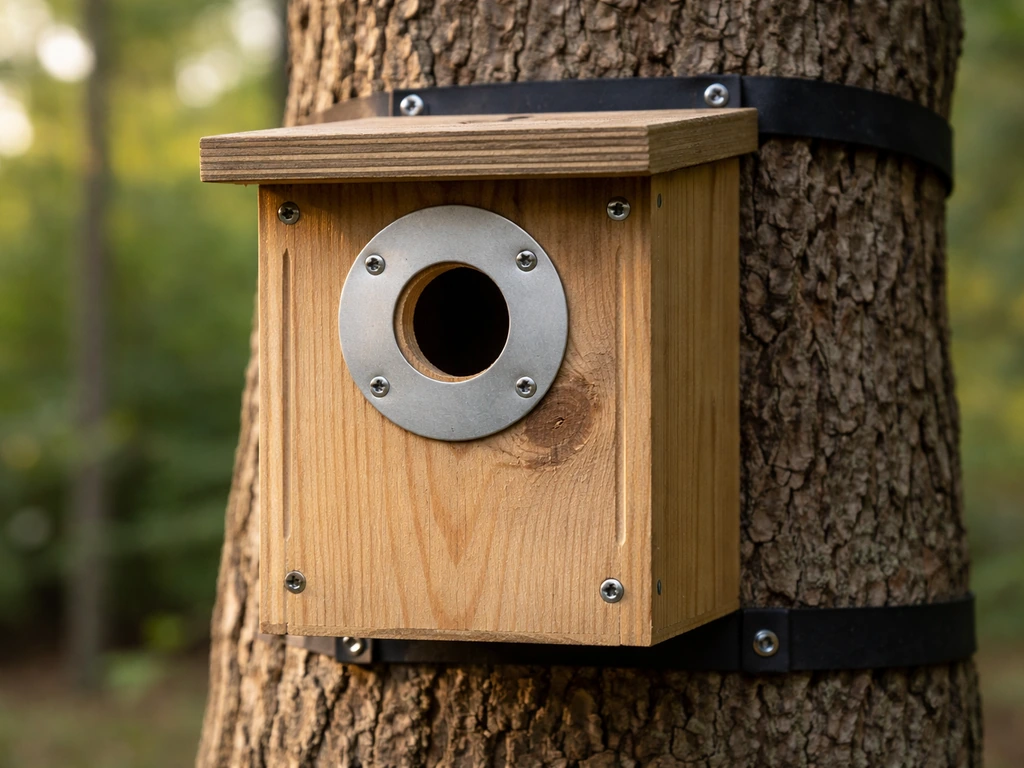
The best defense against crow disturbance is a well-designed, correctly placed nest box from the start. Getting the dimensions right for your target species is the single most important step because a properly sized entrance hole is the first line of exclusion against larger birds.
Entrance hole sizes and interior dimensions by species
| Species | Floor Size (inches) | Cavity Depth (inches) | Entrance Diameter (inches) | Entrance Height Above Floor (inches) |
|---|---|---|---|---|
| Eastern Bluebird | 5 x 5 | 6 | 1 1/2 | 10 |
| Carolina Chickadee / Black-capped Chickadee | 4 x 4 | 9 | 1 1/8 | 7 |
| House Wren | 4 x 4 | 6–8 | 1 1/8 | 6 |
| Tree Swallow | 5 x 5 | 6 | 1 1/2 | 5–6 |
These dimensions come from USDA and NABS specifications. The North American Bluebird Society also specifies that the roof should extend at least 1. 5 inches above the top of the entrance hole to provide an overhang that blocks rain and makes it harder for a predator to reach in from above.
If you are building a bluebird box today, a 4x4 to 5x5 floor, 5 to 6 inches from the bottom of the entrance to the floor, and a 1 1/2-inch round hole is your baseline. Michigan Bluebirds provides baseline nest-box dimension guidance for bluebirds, including a floor about 4x4 up to 5x5 inches and specific distances from the entrance-hole to the floor and roof underside.
Drill the hole cleanly and do not smooth or bevel the interior below it so the birds can grip the wood when exiting.
Placement and mounting
Mount the box on a smooth metal conduit pole rather than a fence post or tree. Poles in the open give you the best opportunity to add a baffle below the box and deny crows and other predators a jumping-off point. For bluebirds, the box should face an open area with low vegetation and be placed about 4 to 6 feet off the ground. For chickadees, a slightly wooded edge at 4 to 8 feet works well. Keep the box at least 50 feet from dense tree cover where crows roost, if possible. Avoid positioning the box so that a crow could land on a nearby branch and directly access the entrance. Open sightlines are your ally.
Predator-proofing hardware
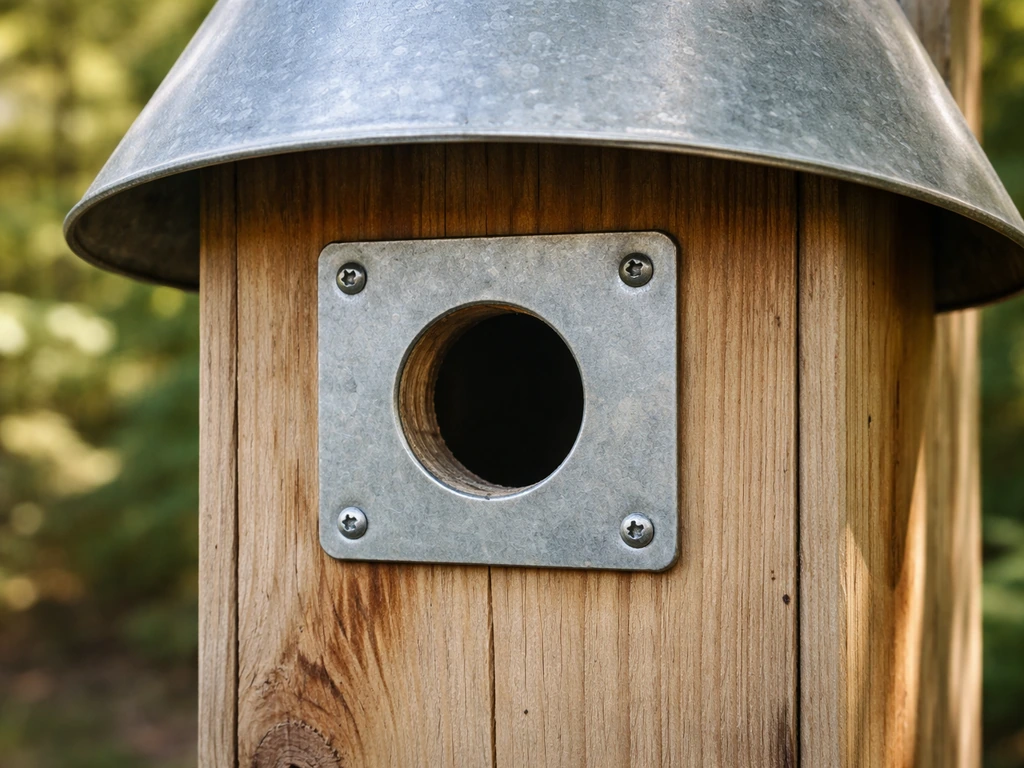
- Metal entrance hole guard: screws directly over the entrance hole and prevents beak enlargement. Essential for any box near crow territory.
- Stovepipe or cone baffle: mounts on the pole below the box, 4 to 5 feet off the ground. A smooth metal cone at least 24 inches in diameter is effective against climbing mammals and gives crows nothing to grip on approach from below.
- Entrance tube extender (Bird Guardian style): a plastic or PVC tube inserted into the entrance hole interior, extending the tunnel length inward by 1 to 2 inches. Makes it physically harder for a large-billed bird to reach into the cavity.
- No perch: never add a perch to the front of the box. It benefits no cavity nester and actively assists predators and aggressive larger birds.
- Roof overhang: at least 1.5 inches of overhang above the entrance hole reduces reach-in attempts from above.
NestWatch's predator management guidance emphasizes that layering multiple interventions is more effective than relying on any single feature. A metal hole guard plus a baffle plus a perch-free design gives you three separate barriers, and each one a crow has to overcome before accessing the nest.
Ongoing maintenance and sanitation
A clean, well-maintained box is less likely to attract unwanted attention and more likely to be reused by the target species. Old nesting material harbors mites, bacteria, and parasites that can discourage returning birds and create health risks for new occupants.
- Wait until a nest is confirmed inactive (no viable eggs, no live young) before opening the box. This is a legal requirement under federal protections for native birds.
- Remove all old nesting material completely after each brood fledges.
- Scrub the interior with a mild detergent and warm water, then rinse thoroughly.
- If the box shows heavy fecal soiling or signs of parasites, follow up with a 1-part bleach to 10-parts water solution. Let the box air dry completely before closing it.
- Inspect the entrance hole for signs of enlargement (beak marks, chewed wood edges). If you see this, add a metal hole guard immediately.
- Check the baffle and mounting hardware for damage or slippage at the start and end of each season.
- In late winter, clean and reset the box before the earliest cavity nesters begin prospecting, typically February to March depending on your region.
Regular monitoring also helps you catch crow activity early. If you notice nest material scattered on the ground below the box or disturbed nesting inside, a predator has likely been at the entrance. That is your cue to upgrade your hardware before the next nesting attempt begins.
When to stop trying: alternative approaches for persistent crow presence
If you have layered your defenses and crows are still causing repeated disturbances, it may be time to reassess the location rather than just the hardware. Some yards are simply within the core territory of a resident crow family, and during nesting season those birds will be relentless. A nest box placed 200 feet away, behind your house, or in a different part of the property may experience dramatically less pressure than one in the crows' direct line of sight.
You can also adjust what your yard offers to crows. Crows are attracted to open garbage, pet food left outside, and standing water that attracts other birds. Removing these food sources will not eliminate crow presence, but reducing the overall reward value of your yard can reduce how frequently they patrol it.
If crows are causing documented economic or property damage beyond just bird house disturbance, federal regulation 50 CFR Section 21.150 provides a depredation order specifically covering crows. This allows certain lethal control measures under specific conditions and requires coordination with wildlife officers. For most backyard situations, this is not necessary, but it is a legal pathway that exists for serious cases. Contact your state wildlife agency before taking any action under this authority.
Finally, consider whether your yard might simply be better suited for a different type of bird habitat feature. Open-cup nesting species like robins, for example, use platform shelves rather than enclosed boxes (similar to how robins differ from cavity nesters, a distinction worth understanding when planning your setup). If you are wondering whether robins use bird houses, the key point is that they usually prefer open platform nesting spots rather than enclosed boxes do robins use bird houses. If crows have made enclosed cavity boxes unworkable in your specific spot, a different bird-friendly feature in a better location will get you further than fighting the same battle in the same place every season.
FAQ
If I see a crow sitting at my bird house, does that mean it is using it to nest?
No. A crow can investigate a nest box, but it cannot raise young in a typical cavity house because it is not an enclosed-cavity nester and its normal nest is an open stick-and-mud basket. If you see crows entering, it is usually brief inspection or predation risk, not nesting.
What’s the fastest way to fix a nest box that crows keep investigating?
Focus on the target species, not the crow. If you use the wrong hole size (too large or too small) you may fail to exclude predators or you may exclude the bird you want. The quickest fix is to measure the entrance you installed, then match it to the cavity nester you are trying to attract, and ensure the roof overhang and mounting height match those specs.
Will crows come back repeatedly to the same nest box once they find it?
Yes, you may be dealing with a “learning” crow. If a specific box reliably produces eggs or nestlings, crows often return during later nesting attempts. The practical step is to treat each successful disturbance as a signal to upgrade hardware and potentially move the box before the next attempt begins.
Do nest box sounds and traffic attract crows more than a quiet box?
Broader, noisier activity can increase visits, not because crows want to live there, but because a box with active occupants becomes a visual and audio signal. Keep monitoring, but avoid frequent door opening, handling, or repeated disruptions that broadcast chick sounds and adult traffic.
Do crows bother bird houses in winter, when there are no chicks?
Sometimes. In winter, some birds use enclosed shelters for roosting, but the same crow investigation dynamics still apply. The best approach is to ensure the roosting box is designed for the intended winter species (size and entrance), and still use predator-prevention features like a baffle and a perch-free mounting to reduce access from below or nearby branches.
Should I remove bird feeders or other backyard food sources if crows are targeting my nest box?
Feeders are a major confounder. If there is pet food, bird seed, open garbage, or standing water near the box, you can make the yard more rewarding for crows. Remove those attractants first, then evaluate whether crow pressure drops and whether the box hardware needs adjustment.
What yard factors make my box “too easy” for crows to reach?
Yes. Houses placed near dense roosting cover or with nearby landing branches give crows an advantage. If you can, choose a location with open sightlines, avoid perches within easy reach of the entrance, and consider moving the box to a different part of the property, even several dozen to a couple hundred feet, because crow patrol routes are often consistent.
Is it okay to move a nest box during the nesting season to stop crow visits?
Be careful with relocation timing. Moving a box while a nest is active can cause additional abandonment and create fresh disturbances. If crow pressure is chronic, reassess location between nesting attempts (or before the season starts) so you are not compounding the problem during active use.
Can I just block the entrance when I see a crow?
Covering or blocking the entrance can prevent access, but it can also trap or harm the intended cavity nester if done during occupancy. Only change access when the box is empty, and then verify that the entrance dimensions still match the target bird’s requirements and that ventilation and drainage remain correct.
What type of crow deterrent actually works best, visual or physical barriers?
Some “predator deterrents” only change appearance and can fail once a crow is familiar. The most reliable strategy is layered exclusion, meaning multiple physical barriers (for example, a baffle plus perch-free mounting plus an appropriately sized entrance) so the crow has to overcome several obstacles every time.