Robins almost never use standard enclosed birdhouses. They are open-cup nesters, meaning they build their mud-and-grass nests on branches, ledges, and sheltered surfaces rather than inside a cavity with an entry hole. If you set up a typical birdhouse hoping robins will move in, it will almost certainly go unused by them. The good news: you can absolutely attract robins to nest in your yard, you just need to think shelves and ledges instead of boxes.
Do Robins Use Bird Houses or Bird Boxes? What to Do
Maya Thompson
26 Apr 2026
Do robins actually use bird houses or bird boxes?
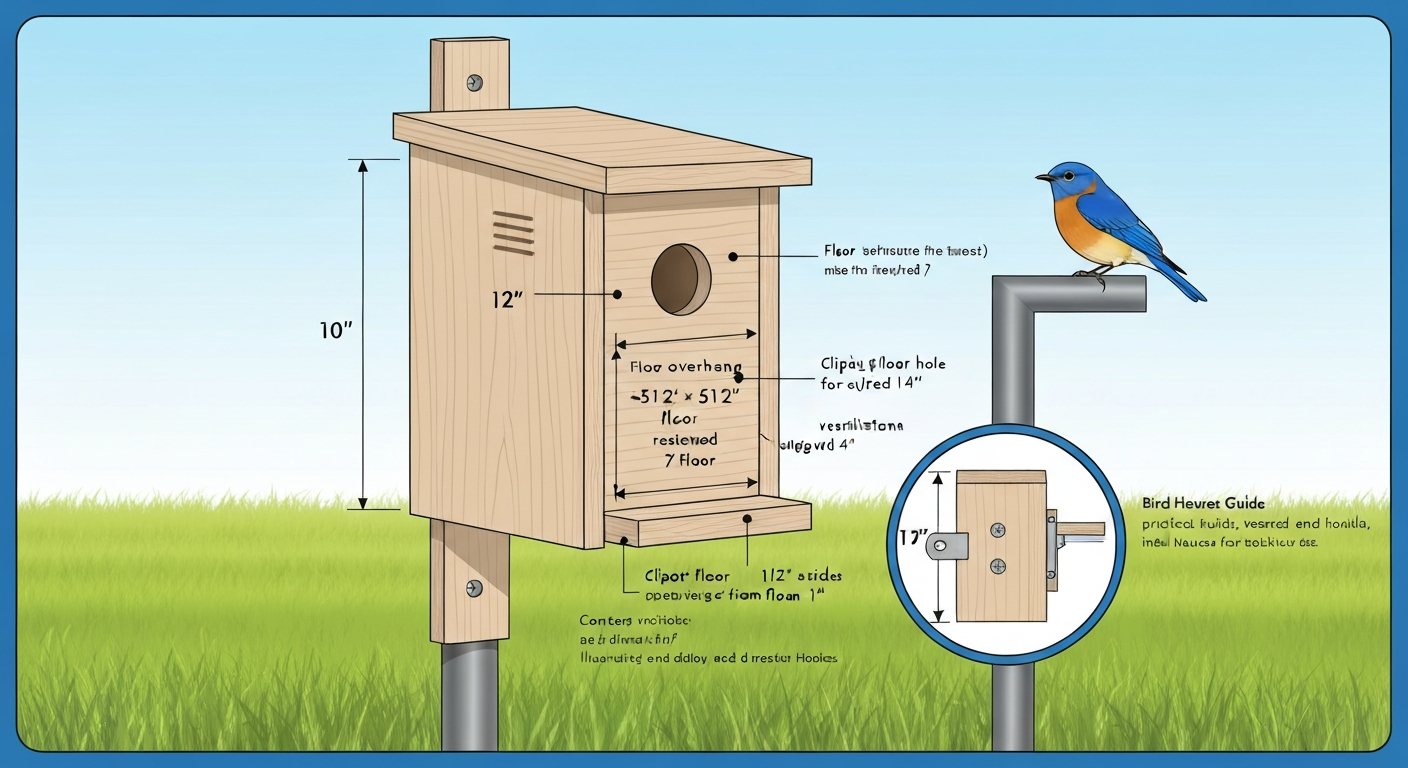
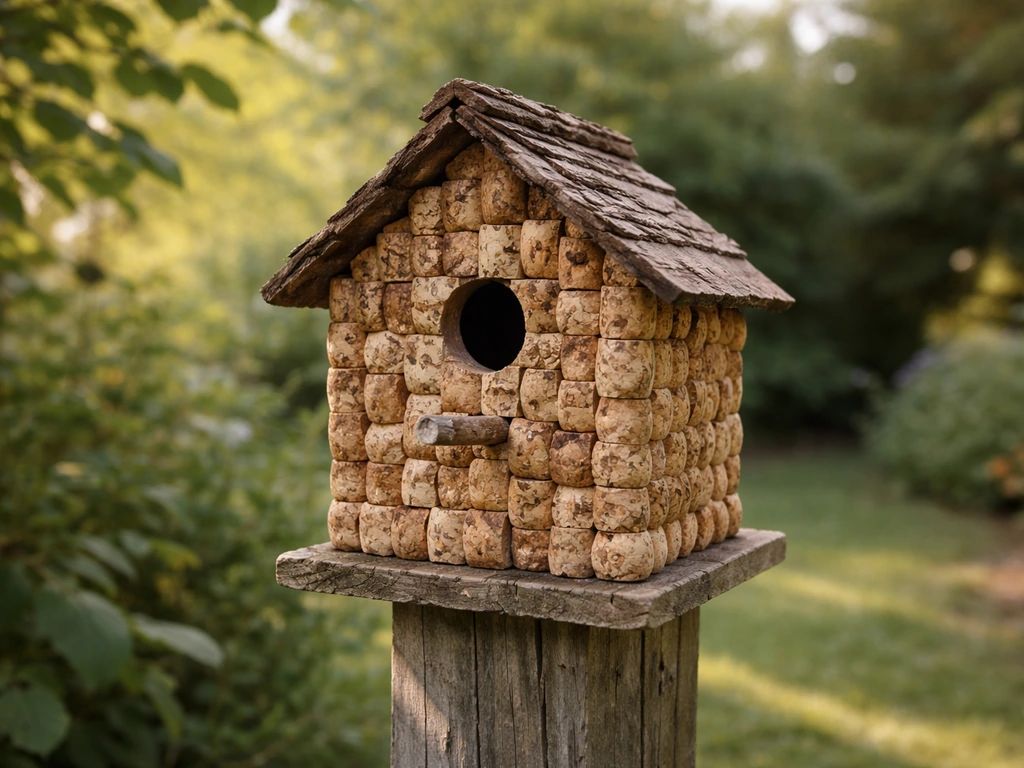
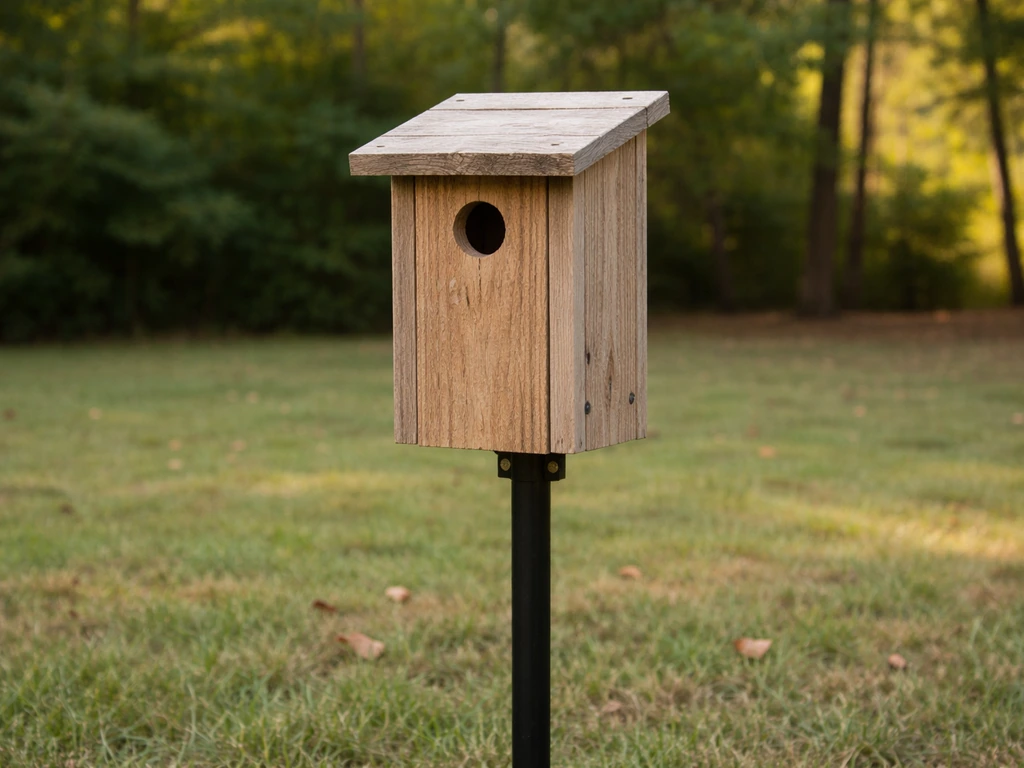
The honest answer is no, not in the way most people picture. If you are wondering how do bird houses work, focus on which birds actually use cavity nesting setups. Standard birdhouses and nest boxes are designed for cavity-nesting birds: chickadees, bluebirds, wrens, and others that evolved to raise young inside a hollowed-out tree trunk. They need a small entrance hole and a dark enclosed space. Robins did not evolve that way at all. A robin encountering a birdhouse is not going to duck inside and set up shop. It is simply the wrong tool for the wrong bird.
NestWatch (run by Cornell Lab of Ornithology) lists American robins under "not nesting" for typical nest boxes, and instead points people toward open platform or shelf-style structures. That distinction matters a lot before you spend time and money on the wrong setup.
Why robins don't use standard birdhouses
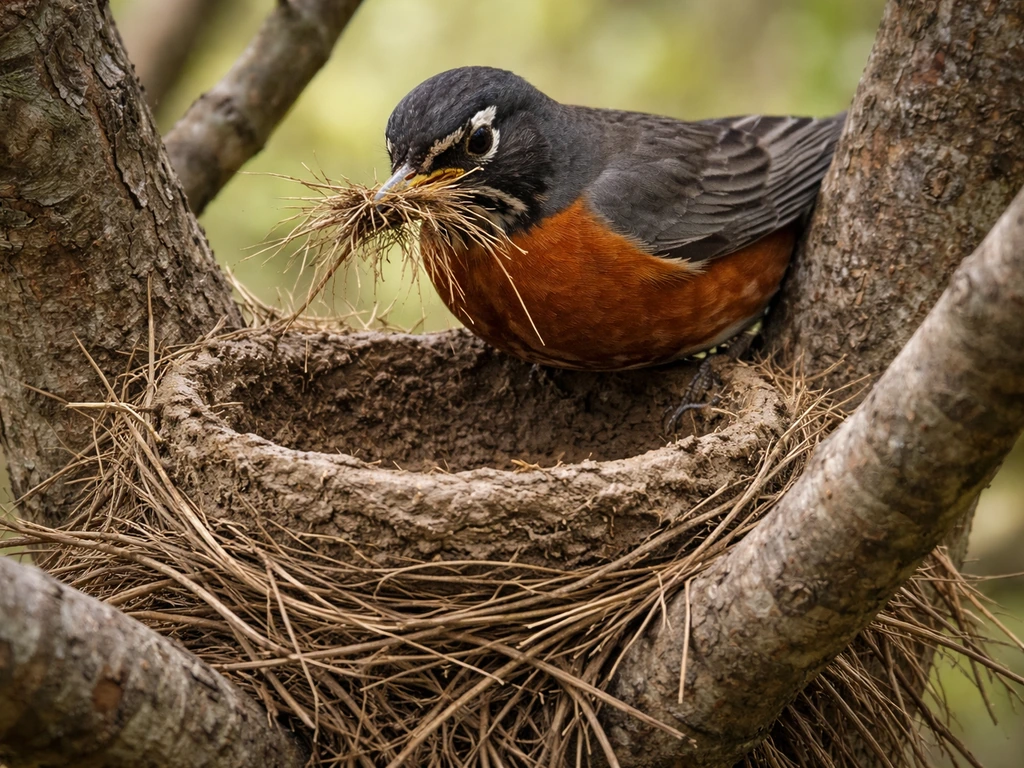
Robins build what ornithologists call a bulky open cup nest. The female gathers dead grasses, twigs, strips of bark, and other debris, then works in a thick layer of mud to form a solid foundation. She lines the inside with fine grasses and plant fibers. The finished nest sits open to the air on a horizontal branch or a flat, sheltered surface. There is no roof over it and no hole to squeeze through.
Their preferred nesting spots reflect this: a fork in a tree, a dense shrub, or a building ledge, typically between 5 and 15 feet off the ground. In urban areas robins regularly use window ledges, porch beams, and the top surfaces of outdoor light fixtures because those spots mimic the flat, sheltered branch that their instincts are looking for. An enclosed birdhouse with a 1.5-inch entry hole offers none of that. Even a large-hole birdhouse with an open front would be an awkward mismatch compared to a proper nesting shelf.
When robins might actually use a man-made structure
Robins will sometimes nest on or against human-made structures when those structures happen to replicate a sheltered ledge. This is not the same as using a birdhouse. A common example is a nest on top of an outdoor security camera, on the lip of a dryer vent cap, on a porch rafter, or on a shelf bracket under an eave. What these spots share is a flat surface, some overhead shelter from rain, and a location that is partially hidden or backed against a wall. The robin is not choosing the structure because it is man-made; it is choosing it because it mimics the branch-fork geometry the bird is wired to use.
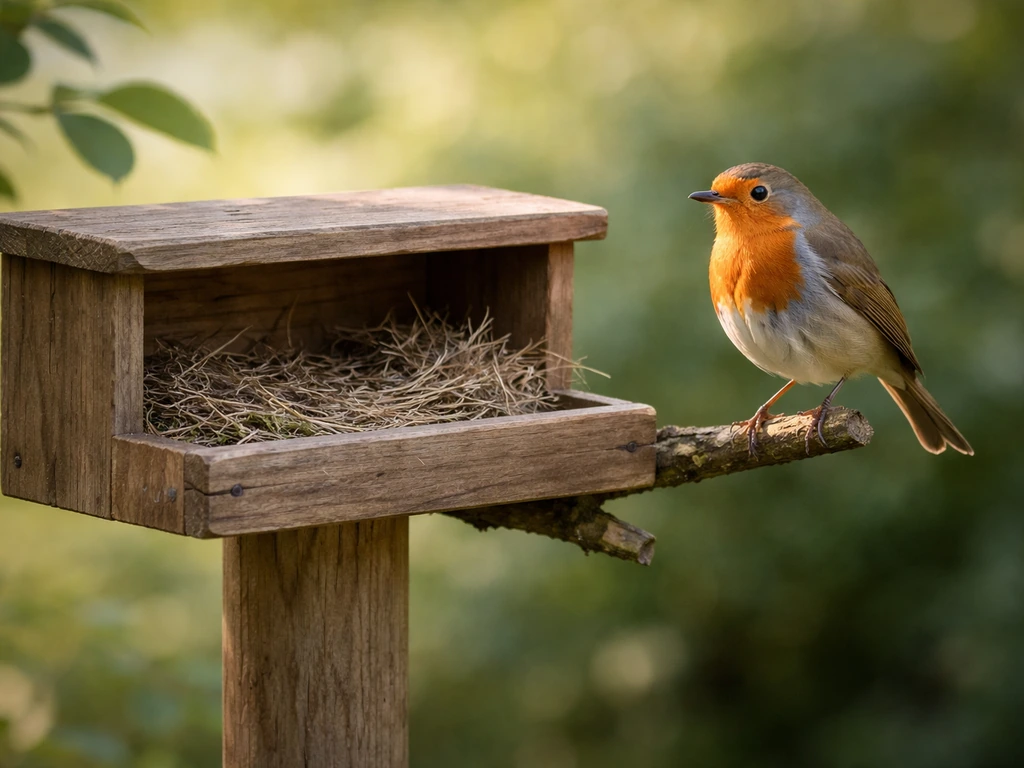
NestWatch notes that if you deliberately place a suitable shelf structure in a sheltered spot (under an eave or soffit, near an outdoor light for mild warmth on cold nights), robins may accept it. Hinterland Who’s Who also notes that birds such as American robins typically won’t nest in enclosed boxes, but they will accept open nesting shelves mounted under overhanging eaves or trees a suitable shelf structure in a sheltered spot. That is about as close as you will get to a robin "using a bird box." The key condition is always open, sheltered, and backed by a surface, never enclosed.
What to do today if you want robins in your yard
Skip the birdhouse aisle entirely. If you are still wondering whether do crows use bird houses, it helps to know that different birds have very different nesting preferences birdhouse aisle. Here is what actually works for robins, and most of it costs little or nothing.
Put up a robin nesting shelf
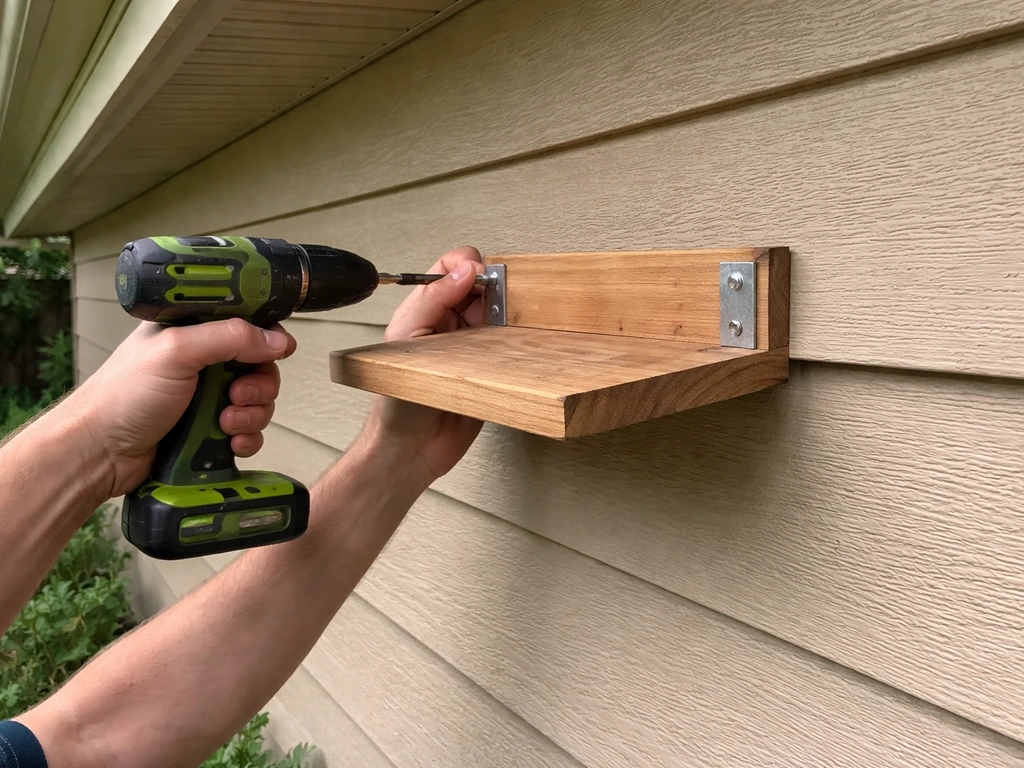
A robin nesting shelf (sometimes called a nest platform) is a simple open-topped wooden tray, roughly 6 to 7 inches square, with a low lip on three sides and the front open. Maryland DNR also notes that American Robins will sometimes use a nesting platform, which aligns with designing for a shelf or open structure rather than an enclosed box Maryland DNR notes American Robins will sometimes use a nesting platform. No roof, no hole. Mount it on a wall, fence post, or tree trunk under an overhang that provides rain protection, at a height between 5 and 15 feet. Face it away from direct afternoon sun. That is the entire design. You can build one in under an hour from a cedar fence board.
Make your yard a good foraging and nesting habitat
Robins spend a lot of their time hunting earthworms and insects in short grass and open soil. A pesticide-free lawn with moist, loose soil is genuinely attractive to them. Dense shrubs and multi-layered plantings give them sheltered nesting sites. The U.S. Fish and Wildlife Service advises letting branches and bushy growth persist through nesting season rather than aggressive spring pruning, which removes exactly the habitat robins are looking for.
Keep cats indoors
This one matters more than most people realize. Robins nest low enough (and fledglings spend days on the ground before they can fly well) that outdoor cats are a direct and serious predation threat. Both Audubon and the U.S. Fish and Wildlife Service flag cat predation as one of the leading causes of songbird mortality. If you want robins to nest in your yard and successfully raise chicks, keeping cats indoors during nesting season (spring through early summer) is one of the highest-impact things you can do.
If you try a shelf or ledge anyway: placement tips that actually matter
If you decide to put up a nesting shelf specifically for robins (which is worth trying), placement decisions make or break it. A shelf in the wrong spot will simply sit empty.
- Mount 5 to 15 feet high, with 6 to 8 feet being a sweet spot for most suburban settings.
- Choose a spot with overhead shelter: under an eave, soffit, porch roof, or dense tree canopy.
- Back the shelf against a solid surface (wall, tree trunk, fence board) so the nest has support and feels secure.
- Avoid full sun exposure, especially from the west or south, which can overheat eggs and nestlings.
- Keep the shelf away from feeders and busy human foot traffic during the breeding season.
- Do not add nesting material yourself. Robins gather their own and will ignore pre-loaded material anyway.
One thing to avoid: mounting a shelf on a post with no baffle against predators like raccoons and squirrels. If the shelf is on a wall or building, it is naturally harder for ground predators to reach. If it is on a free-standing post, add a smooth metal or plastic predator baffle below it, the same type used for enclosed birdhouses.
Maintenance, safe monitoring, and keeping things clean
Once robins are actively nesting, your main job is to leave them alone. Under the Migratory Bird Treaty Act, active robin nests, eggs, and nestlings are legally protected. You cannot move, disturb, or touch them. NestWatch's Code of Conduct is worth reading if you plan to observe: limit checks to once every three to four days, approach slowly and briefly, and stop visiting entirely if you see signs of stress from the adults.
After the young fledge (typically about two weeks after hatching), the nest is abandoned. This is the time to remove old nest material from a shelf or any structure robins used. Old nests harbor mites, blowfly larvae, and bacteria that can harm a second brood or next year's occupants. A quick scrub of the shelf surface with a stiff brush and a dilute bleach-and-water solution (one part bleach to nine parts water), followed by thorough rinsing and air drying, is all you need. In winter, many birds still use sheltered spots, but a typical robin-style open shelf is a different setup than a birdhouse do birds use bird houses in the winter. Let the shelf dry completely before the next nesting season begins.
Robins in good habitat routinely raise two or even three broods per season, so a nest shelf that worked in spring may get used again through early summer. Keep an eye out for fresh nest-building activity. If you notice a robin repeatedly carrying mud or grass to a spot in your yard, that is your cue to reduce foot traffic nearby and let things proceed naturally.
What about the birdhouse you already have?
If you have a standard enclosed birdhouse that robins are ignoring, do not take it down. Redirect it. Depending on the entrance hole size and placement, that same box could be perfect for house wrens, chickadees, or tree swallows. The species that will actually use enclosed nest boxes in a typical backyard are covered in detail alongside robins in the broader picture of what birds use bird houses, and it is worth knowing which cavity nesters share your region before you decide where to mount your existing box.
The bottom line: robins are very willing to nest in a well-set-up yard. They just need you to think like a robin, open cup, sheltered ledge, pesticide-free lawn, cats indoors, and minimal disturbance once they commit. Get those things right and you will hear that cheerful morning song all season long.
FAQ
If my yard has a standard birdhouse, will robins use it at all (even if they do not enter)?
Usually no. Robins are open-cup nesters, so they need a flat, sheltered surface to build on. If the “box” has a roof and solid walls, there is nowhere for them to form the open cup, even if the entrance seems large.
What kind of opening size would work if I wanted to “convert” a birdhouse for robins?
Robins do not use entry holes. The practical conversion is to remove the front/roof so it becomes an open-topped shelf or tray, with protection from rain overhead and a backing surface (wall or similar) so it feels like a natural ledge.
Will robins use a platform bird feeder, or does it need to be a purpose-built nest shelf?
They might, but it depends on stability and protection. If the surface is level, sturdy, open-topped, and sheltered from rain (for example under an eave), robins can treat it like a ledge. Avoid placing feeders where you regularly disturb the area, since frequent human activity can cause nest failure.
How much shelter from rain does a robin nesting shelf need?
They typically want overhead cover, like an eave or soffit, or a location partially backed by a wall. If the shelf is exposed on all sides and gets regular direct rainfall, the nest cup can become waterlogged, so it is more likely to fail early.
What height should I mount a robin shelf, and does the “5 to 15 feet” guidance always apply?
That 5 to 15 feet range is a common sweet spot, but local conditions matter. If the area is very cat-prone or accessible to predators, mounting on a wall under cover can be safer than a lower, free-standing placement.
Should I face the shelf toward the sun, or away from it?
Face it away from direct afternoon sun. Hot surfaces can dry out nesting materials and make adults spend more time shading or adjusting the nest, which can reduce nesting success during warm spells.
Can I use a planter, window box, or decorative ledge as a robin nest shelf?
Potentially, as long as it is an open-topped horizontal surface with enough overhead shelter from rain. Decorative planters that hold soil can work poorly if they are too deep, unstable, or subject to wind or heavy disturbance from people.
Do robins reuse the same shelf and nest year after year?
They may reuse the same general spot, but the active nest is usually abandoned after fledging. You should remove old nest material after the breeding cycle so you reduce mites and other pests that can build up in used nests.
What should I do if I see a robin carrying mud to a location with my shelf, but it does not build into a cup right away?
Do not keep checking or moving closer. Many nest sites get “sample visits” before construction. Maintain your distance, keep foot traffic low near the shelf, and wait several days to see if the bird commits to building.
Are robin nests protected even if the shelf is on my property and the birds are using it?
Yes. If a nest is active, you should not move, touch, or remove eggs or nestlings, and you should limit visits to avoid stress. If you need to repair the shelf for safety, pause and wait until the nest is no longer active.
My robin keeps building, but a cat is in the yard sometimes. Should I move the shelf?
The higher-impact step is to stop cat access during spring through early summer, since robin nesting happens low enough that predation is a serious risk. Moving the shelf can work in some cases, but it is secondary to cat prevention.
If robins do not use birdhouses, will other cavity nesters use my enclosed box instead?
Often yes. If you have a standard enclosed box with an entrance hole, it is designed for cavity nesters like wrens, chickadees, and some swallows depending on your local species mix. If you want to be strategic, match entrance hole size and placement to the specific cavity nester you hope to attract.