For a House Wren, you need a box with a 1-inch to 1-1/8-inch round entrance hole, a floor roughly 4 inches by 4 inches (up to 4x5. For a House Wren, you need a box with a 1-inch to 1-1/8-inch round entrance hole, a floor roughly 4 inches by 4 inches (up to 4x5 best outdoor bird houses. 5 inches), an interior height of about 8 inches, and the entrance hole centered about 6 inches above the floor.
Best Wren Bird Houses: How to Choose, Build, and Install

Maya Thompson
8 Jul 2026
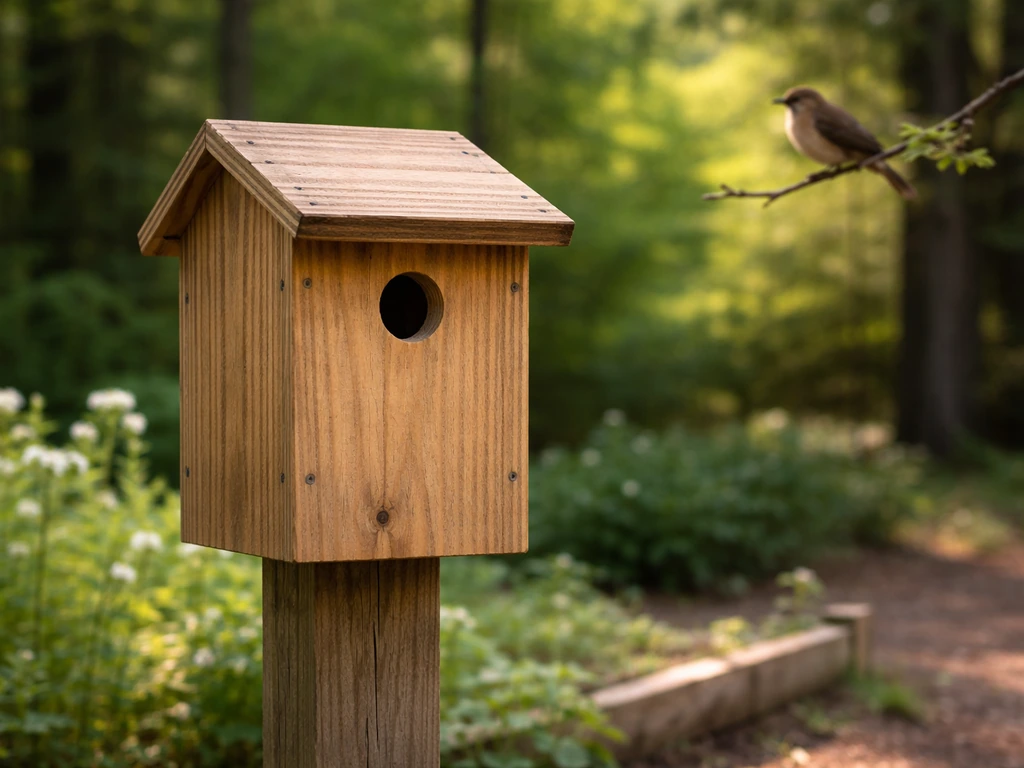
Mount it between 5 and 10 feet high on a pole with a baffle, within 100 feet of woody vegetation, facing away from the prevailing wind. That combination of the right hole size, the right interior volume, and the right placement is what actually gets wrens to move in, get any one of those wrong and the box will sit empty.
Quick picking guide for wren-friendly houses
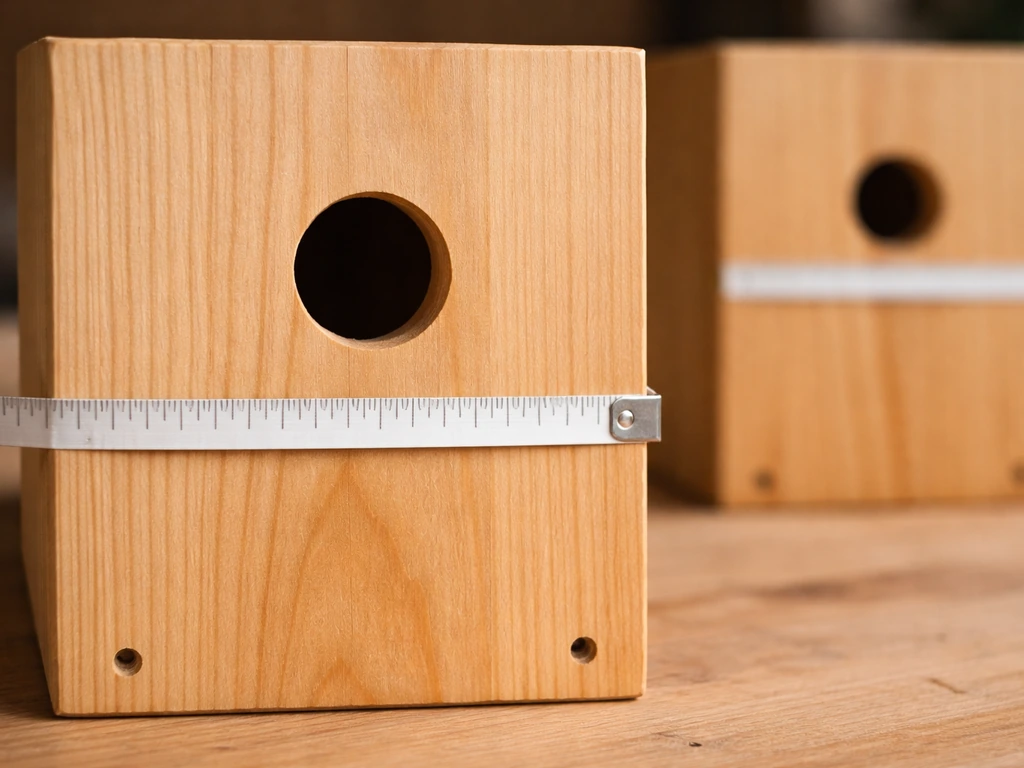
Whether you're buying a ready-made house or building one from scratch, wrens are actually fairly easy to please as long as you hit the key numbers. If you want the simplest option, compare the best bird house kits designed for wrens so you get the right hole size and fit from the start pre-built house. The entrance hole is the single most important feature.
A 1-inch hole is the classic wren spec; 1-1/8 inches is the upper end of what most sources recommend. Go to 1-1/4 inches and you start letting in House Sparrows, which will compete aggressively for the box. Go any larger and starlings or other bigger birds can muscle in too. If you're shopping a pre-built house, look for that hole size stamped or listed in the product specs, the Audubon Traditional Cedar Wren House, for example, uses exactly 1-1/8 inches.
Beyond the hole, look for these quick-check features before you buy or build. A house that has all of these will serve wrens far better than a decorative box that skips any one of them.
- Entrance hole 1 inch to 1-1/8 inches in diameter (round, not oval or decorative)
- Interior floor at least 4 inches x 4 inches (4x5.5 inches is the Henderson/Audubon standard)
- Interior height (floor to ceiling) of approximately 8 inches
- Entrance hole 6 to 6.5 inches above the floor (top of hole measurement)
- Drainage holes in the floor — at least four 1/4-inch holes in the corners
- Ventilation gaps or holes near the top of the side walls
- A hinged or removable panel (side or front) for annual cleaning
- No perch below the entrance hole — perches help predators and competitors, not wrens
- Natural, untreated wood exterior — no bright paint or heavy stain on the inside
If you're comparing options across the site, a wren house sits in a different category than a general-purpose outdoor bird house or a hanging bird house. If you want to narrow your options quickly, focus on the best hanging bird houses that keep wrens safe and comfortable. Wrens strongly prefer a box that feels enclosed and slightly snug, they don't want a cavernous space. Keep that in mind if you're tempted to upsize.
The exact design specs: hole size, entrance height, interior dimensions, and depth
These numbers aren't arbitrary, they come from decades of nest-box monitoring data and have been refined by organizations like NestWatch, Cornell Lab of Ornithology, and Carrol Henderson's 'Woodworking for Wildlife' (the gold standard reference for cavity-nesting songbird boxes). Here's everything in one place.
| Dimension | Recommended Spec | Notes |
|---|---|---|
| Entrance hole diameter | 1 inch to 1-1/8 inches | 1 inch excludes most competitors; 1-1/8 inch is the Henderson standard |
| Floor size (inside) | 4 in. x 4 in. to 4 in. x 5.5 in. | Smaller floor keeps interior volume wren-appropriate |
| Interior height (floor to ceiling) | 8 inches | Enough depth that nest is protected from predators reaching in |
| Entrance height above floor | 5-7/8 in. to 6 in. | Measured from floor to top of hole; keeps nest well below opening |
| Mounting height | 5 to 10 feet (4-15 feet range acceptable) | NestWatch recommends 5-10 ft; Henderson extends range to 15 ft |
| Drainage holes | Four 1/4-inch holes at floor corners | Prevents wet nest conditions which can kill nestlings |
| Ventilation | Gaps or holes near top of side walls | Reduces heat buildup in summer; critical in hot climates |
The entrance-to-floor distance deserves a closer look. When the hole is only 5-7/8 to 6 inches above the floor, a predator reaching in through a 1-inch hole has an 8-inch deep box to deal with, that depth is a real physical barrier. Research on House Wren nest boxes confirms that entrance size directly affects how accessible the nest is to threats from outside, and wrens themselves will alter their nest architecture depending on how vulnerable the cavity feels.
A properly deep box gives them confidence to nest and raise young successfully. If you are not building yourself, look for high quality bird houses that follow these same hole size, interior depth, and placement principles so wrens are more likely to move in.
One detail that often gets skipped in decorative houses: the interior walls should be rough (not sanded smooth) so nestlings can grip the wood when they're ready to fledge. If you're buying a pre-finished house, check that at least the interior front wall below the hole has some texture. On a DIY build, just leave the interior unfinished, rough-sawn cedar or pine is perfect.
Materials and construction tips
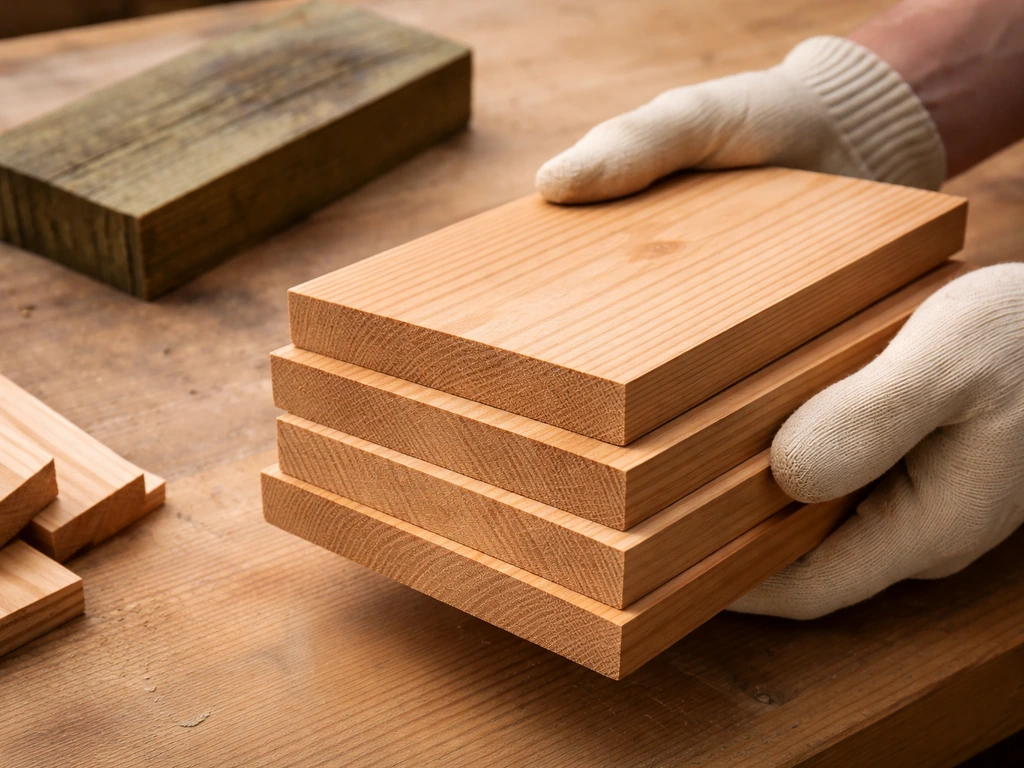
Cedar is the go-to material for wren houses, and for good reason. It's naturally rot-resistant, insulates reasonably well against temperature swings, and doesn't need paint or preservatives to hold up outdoors. The Audubon Traditional Cedar Wren House uses it, most serious DIY plans call for it, and it's widely available at lumber yards in 1x6 or 1x8 boards. If cedar isn't accessible or affordable in your area, white pine is a solid substitute, just expect it to weather a bit faster and possibly need a coat of exterior paint on the outside (never the inside).
Avoid pressure-treated lumber entirely. The preservatives are toxic to birds and you simply don't need them if you build with cedar or paint exterior pine correctly. Also avoid plywood for the walls, it delaminates over time when it cycles through wet and dry seasons, especially at exposed edges.
Construction details worth getting right
- Cut all pieces from 3/4-inch thick stock for good insulation and structural strength. Thinner wood overheats in summer and cracks faster.
- Drill the entrance hole with a sharp 1-inch or 1-1/8-inch spade or Forstner bit before assembling the front panel — it's much easier to control the cut on a flat board.
- Drill four 1/4-inch drainage holes in the corners of the floor panel before assembly.
- Add ventilation by leaving small gaps (about 1/4 inch) at the top of the side walls where they meet the roof, or by drilling two or three 3/8-inch holes near the top of each side wall.
- Build in a clean-out panel — either a hinged side wall or a swinging front that latches shut. This is non-negotiable for long-term use.
- Cut the roof to overhang the entrance by at least 2 inches, angled to shed rain away from the hole. A 15-20 degree slope is plenty.
- Use exterior-grade screws rather than nails. Nails loosen over freeze-thaw cycles; screws hold.
- Leave the interior completely unfinished. No paint, no stain, no sealant inside the box.
If you want to paint or stain the exterior, stick to earth tones, tan, gray, olive green, or weathered brown. These colors absorb less heat than dark finishes and blend into the landscape so the box doesn't attract too much attention from predators or curious neighbors. Never use high-gloss paint; it reflects light in a way that can deter wrens from investigating.
Placement, mounting height, and timing
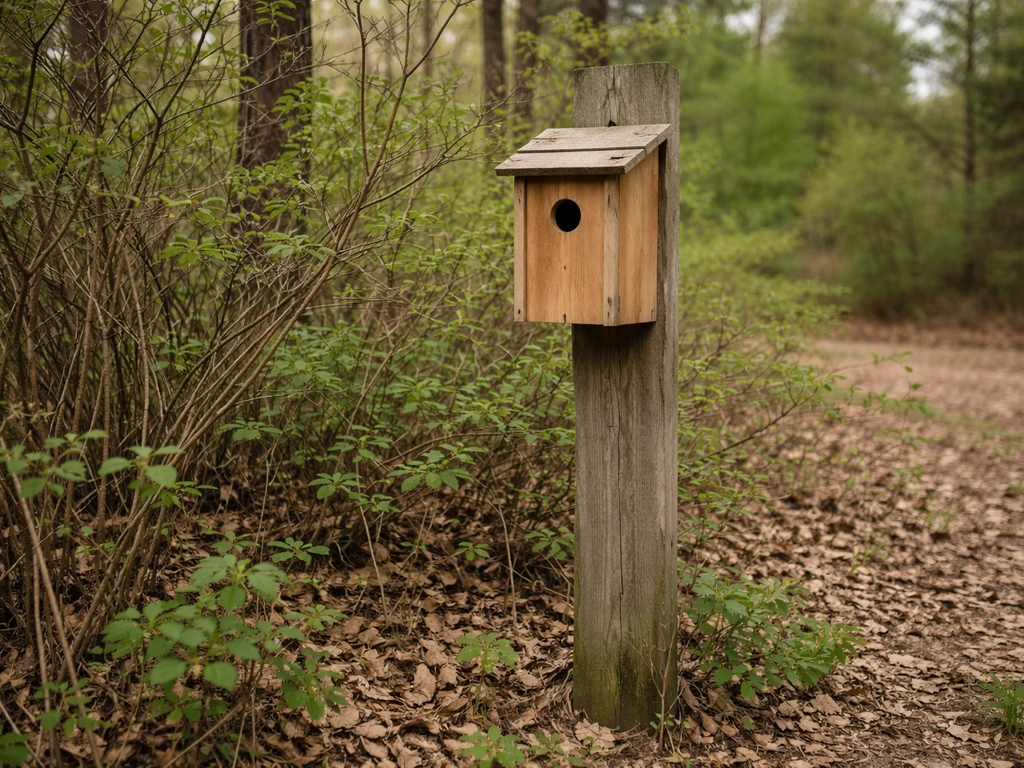
House Wrens are adaptable, they'll nest in suburban gardens, woodland edges, orchards, and brushy open areas. But 'adaptable' doesn't mean 'anything goes.' They need woody vegetation within about 100 feet of the box so they have cover and foraging territory nearby, but the flight path to and from the entrance should be clear of obstructions. Think of it as a small clearing in front of a hedgerow or tree line.
Mount the box between 5 and 10 feet high, that's the NestWatch sweet spot for House Wrens, though anywhere from 4 to 15 feet will work. Lower boxes are easier to monitor and clean, which is worth considering if you're doing this with kids or if you want to participate in a citizen-science monitoring program. Higher boxes can feel safer to the birds in high-foot-traffic yards.
Orientation and distance from feeders
Face the entrance hole away from prevailing winds, typically away from the north and northwest in most of North America. East or southeast is a common choice, giving the box morning sun (which helps dry out condensation) without the brutal afternoon heat of a west-facing box. Keep the box at least 30 to 50 feet from active feeders. Feeder activity brings constant traffic, and wrens are territorial enough that they may abandon a box that feels too busy.
Timing: when to put the box up
Get your wren box up early, ideally by late February or early March if you're in the eastern or central US, or a few weeks before your local wrens typically return from migration. House Wrens are among the later spring migrants in many areas, arriving April through May depending on latitude, but having the box weathered-in and in place before they scout territories gives you the best shot. Boxes put up during active nesting season can work, but birds that have already started nest-building elsewhere are unlikely to switch. Year-round placement is fine, the box won't harm anything sitting empty over winter.
Spacing from other nest boxes
House Wrens are notoriously aggressive toward other cavity nesters. They'll puncture eggs and even kill nestlings of nearby birds, bluebirds, chickadees, Tree Swallows, to claim or protect nest sites. If you're running a multi-box yard, keep wren boxes well separated from boxes intended for other species. NestWatch suggests keeping wren boxes away from boxes for other species you're trying to attract, or clustering them on the brushy-edge side of the property while placing bluebird or swallow boxes in open areas with no woody cover nearby.
Predator protection and weatherproofing
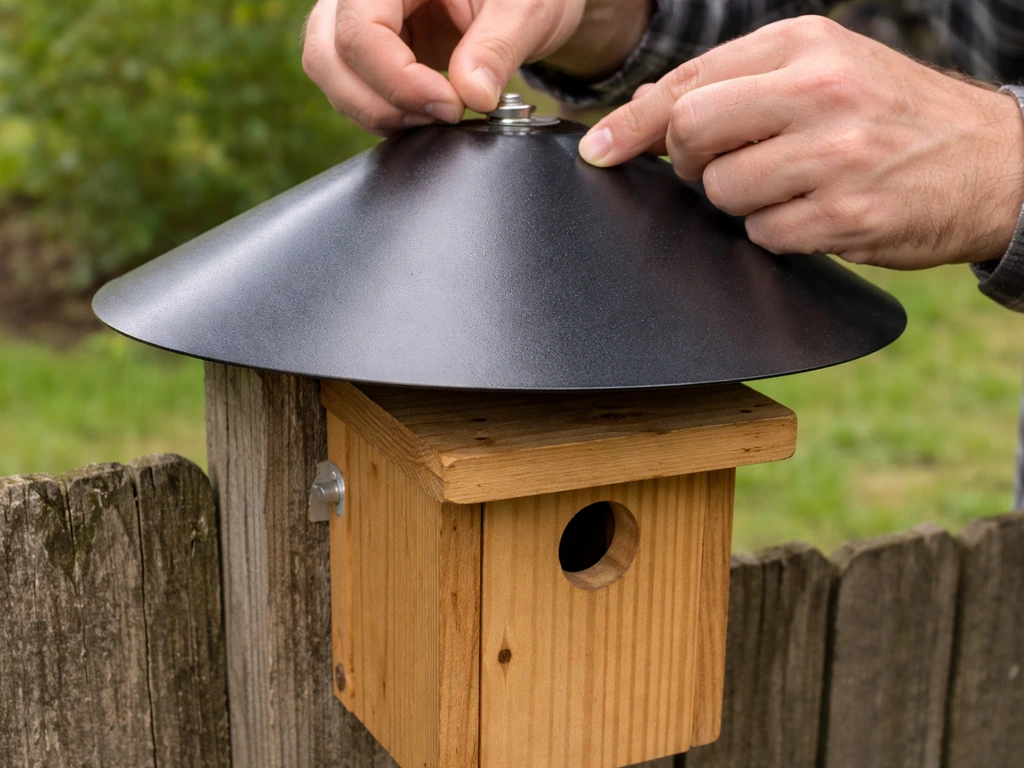
A wren box without a predator baffle is a risk. Raccoons, cats, snakes, and squirrels are all capable of raiding a box mounted on a fence post or nailed to a tree. The single most effective thing you can do is mount the box on a smooth metal pole with a cone or stovepipe baffle installed at least 4 feet off the ground, below the box. The baffle works by making it physically impossible for a climbing predator to get past the flared cone. A baffled pole mounted in open ground is much safer than any box nailed to a tree, trees give climbing predators a direct route with no baffle to block.
The Canadian Wildlife Federation recommends a downward-facing cone baffle just below the box when using a wooden pole, but a smooth metal pole with a stovepipe-style wrap baffle is even better. The key is making sure the baffle is wide enough and positioned low enough that an animal can't jump past it from the ground. And check that there are blank" rel="noopener noreferrer">no branches, fence rails, or structures within about 10 to 12 feet of the box horizontally, raccoons and squirrels can jump surprisingly far and will use any nearby launch point to bypass a baffle entirely.
Weatherproofing the box itself
Good weatherproofing starts with construction. The roof overhang mentioned earlier is critical, at least 2 inches in front and ideally overhanging the sides slightly too. Check that the roof-to-side-wall joints are tight; gaps there let driving rain into the box even if the entrance faces away from the wind. If you built with pine, a coat of exterior paint or linseed oil on the outside (not inside) of all surfaces adds years of life. Cedar can be left bare, it weathers to a gray patina and holds up fine without any finish. Re-check all joints after the first winter and re-seal any that have opened up.
Cleaning, maintenance, and seasonal management
House Wren nests are protected under the Migratory Bird Treaty Act, so you cannot remove an active nest, one with eggs or live young in it. Never disturb a nest that's in use. But once the breeding season is over and the young have fledged (typically by late summer), cleaning is not just allowed, it's essential. Old nesting material harbors mites, blowfly larvae, and pathogens that can harm future residents. Wrens may attempt two or even three broods in a season, so wait until you're confident the box is inactive before opening it up.
How to clean the box
- Wait until the box has been empty for at least a week after fledging, or until late August to early September in most regions.
- Open the clean-out panel and remove all old nesting material — the entire stick-and-grass structure wrens build.
- Scrub the interior walls with a stiff brush and a solution of one part bleach to nine parts water.
- Rinse thoroughly with clean water and let the box air-dry completely before closing it back up.
- Check the entrance hole for any signs of enlargement (chewing by squirrels), rot around the edges, or cracks in the front panel. Repair or replace as needed.
- Re-check the baffle and mounting hardware for looseness, rust, or damage from weather.
- Leave the box open or slightly ajar through winter to air out fully, then close it up again in late winter before migrants return.
NestWatch's monitoring data and manual both note that some residue will remain even after a thorough clean, that's normal. The goal is to remove organic material, reduce parasite load, and check for structural issues, not to sterilize the box. A lightly weathered interior is fine. A box packed with last year's nest is not.
If you want to monitor nesting attempts in real time, and I'd strongly encourage it, since it's both fascinating and useful for conservation data, NestWatch's citizen-science program gives you clear protocols for how often to check (typically every 3 to 4 days) and how to record outcomes without disturbing the birds. Limit your visits to brief, calm check-ins from a few feet away rather than handling or tapping the box during active nesting.
Common mistakes and how to fix them
If wrens aren't using your box, one of a handful of issues is almost always responsible. Here's how to diagnose and fix each one. If you want to sell bird houses, focus on building and advertising the right wren-friendly specs so buyers know the box is actually likely to be used.
| Problem | Likely Cause | Fix |
|---|---|---|
| Wrens investigating but not nesting | Entrance hole slightly too large; box feels insecure | Replace front panel with a 1-inch hole; add baffle to mounting pole |
| Box taken over by House Sparrows | Hole is 1-1/4 inches or larger | Replace front panel with a 1-inch hole; sparrows can't fit through 1 inch |
| Predator raid (missing eggs or young) | No baffle, or box mounted on tree/fence with easy climbing access | Move box to a smooth metal pole; install a stovepipe or cone baffle at 4+ feet |
| Box ignored for a full season | Wrong habitat, too exposed, or too close to feeders/foot traffic | Relocate to a quieter spot near woody vegetation; increase distance from feeders |
| Wet nest or dead nestlings after rain | No drainage holes; flat or inward-sloping floor | Drill four 1/4-inch holes in floor corners; check roof overhang is at least 2 inches |
| Wrens start nest then abandon | Too much disturbance during early nesting; predator pressure | Reduce check-in frequency; verify no climbing route to the box exists |
| Box deteriorating quickly | Wrong wood or no exterior finish on pine | Rebuild with cedar, or apply exterior paint/linseed oil to pine exterior surfaces |
The hole size issue trips up more people than anything else. It's tempting to use a 1-1/4-inch or 1-1/2-inch bit because it's what you have on hand, but that extra 1/8 to 1/4 inch opens the door to House Sparrows and other competitors. A DIY birdhouse hole size guide notes that enlarging the entrance can let larger birds enter, and it recommends adding a baffle to help reduce predator access a 1-1/4-inch or 1-1/2-inch bit.
A 1-inch hole looks tiny but wrens slip through it effortlessly, they're smaller birds than most people expect. Choosing the right hole size and entrance placement is also key when you are shopping for the best selling bird houses for House Wrens. If your existing box has a hole that's been chewed wider by squirrels, add a metal hole guard (a thin metal plate with the correct hole size) over the entrance rather than replacing the whole front panel.
One more thing worth knowing: House Wrens are aggressive about claiming territory, and a male will often stuff dummy nests, just a pile of sticks, no lining, into every available cavity in his territory, including your box. This is normal behavior, not a problem. If you see a stick-filled box with no soft lining (grass, feathers, or plant down), a female hasn't chosen that site yet. Give it time, and resist the urge to remove the sticks. A female may still come along and build her real nest on top of or beside the male's sticks.
Getting a wren box right doesn't require expensive materials or complex tools, it requires hitting the key numbers and placing the box thoughtfully. If you want the best bird houses UK buyers choose, use these same wren-focused specs and placements to pick a box that invites nesting hitting the key numbers. Once you've got the hole size, depth, baffle, and location dialed in, wrens are genuinely one of the easier cavity nesters to attract. They're adaptable, vocal, and a joy to watch. A well-built, well-placed box can host multiple clutches per season for many years with nothing more than an annual clean-out and a hardware check.
FAQ
Can I use a wren bird house entrance hole that is closer to 1 inch if I do not have a 1-1/8 inch size?
Yes, 1 inch is within the recommended range for House Wrens. The key is to keep the hole round and smooth-edged, and avoid enlarging it over time (for example, from squirrel chewing). If the hole gets chewed wider, add a metal hole guard sized back to the correct opening rather than replacing the entire front panel.
Do I need to drill ventilation holes or drainage holes in the box?
For wren nest boxes, prioritize dry conditions over added features. If you add holes, keep them small and avoid placing them where predators can reach the interior. Many good boxes rely on proper roof overhang and tight joints, not extra perforations, so do not add large “screen” areas that could let in drafts or let predators probe.
Is it okay if my box has a removable front panel for cleaning?
It can be, but make sure the latches or screws are predator-proof and cannot be easily popped from outside. During active use, you should never open it, so choose hardware that is secure and weather-resistant, and plan for cleaning only after fledging.
How do I tell the difference between a dummy nest and a nest with eggs?
A male may fill the cavity with sticks or coarse material and leave it unlined at first. A nest with eggs is usually more tightly organized, with a female adding softer lining (grass, feathers, or plant down). If you see only sticks, do not remove them, the site may still be in the selection process.
What if my box is being used by another bird species, even though I used a small entrance hole?
Entrance size helps, but placement and spacing matter too. If House Sparrows are involved, competitors often exploit nearby feeders and “busy” yards. Keep wren boxes farther from active feeders and separate them from boxes intended for other species, then reassess whether your mounting location has a clear flight path and nearby woody cover.
Should I paint the entire box, including the inside walls?
No. Keep the interior unfinished and rough for grip, especially near and below the entrance. Exterior finishes are fine in earth tones, but never apply glossy coatings inside, because smooth surfaces and strong odors can discourage normal nesting behavior.
Do wrens reuse the same box year after year, and how often should I clean?
Often they can, especially if the box stays in the same location. Clean once the breeding season is clearly over and young have fledged (typically late summer). If you are in a region where wrens attempt multiple broods, wait until you see no renewed nesting activity before opening the box to reduce the chance of disrupting an active attempt.
How far away should my wren box be from feeders and other bird houses?
Aim for at least 30 to 50 feet from active feeders, because constant traffic can push wrens to abandon a cavity. For other nesting boxes, keep them well separated, especially from species you are trying to attract, since wrens can be aggressive toward other cavity nesters and may claim or disrupt nearby sites.
Can I mount the box on a tree if I use a baffle?
A baffle helps, but a pole in open ground is still safer. Trees can provide climbing routes, branches and bark can act as launch points, and it is harder to ensure there are no nearby footholds. If you must use a tree, be extra strict about keeping the area around the box clear (roughly 10 to 12 feet horizontally) so predators cannot bypass the barrier.
What should I do if the box is in place but wrens do not use it by the middle of the season?
Re-check three things first: entrance size (not enlarged by chewing), interior depth and how snug the cavity feels, and placement conditions (woody cover within about 100 feet plus an unobstructed flight path). Also confirm the box is facing away from prevailing winds and mounted at a height that is comfortable for monitoring and safety. If these are correct, give it more time, since wrens can be slow to switch to available cavities after territory is established.
Next Articles
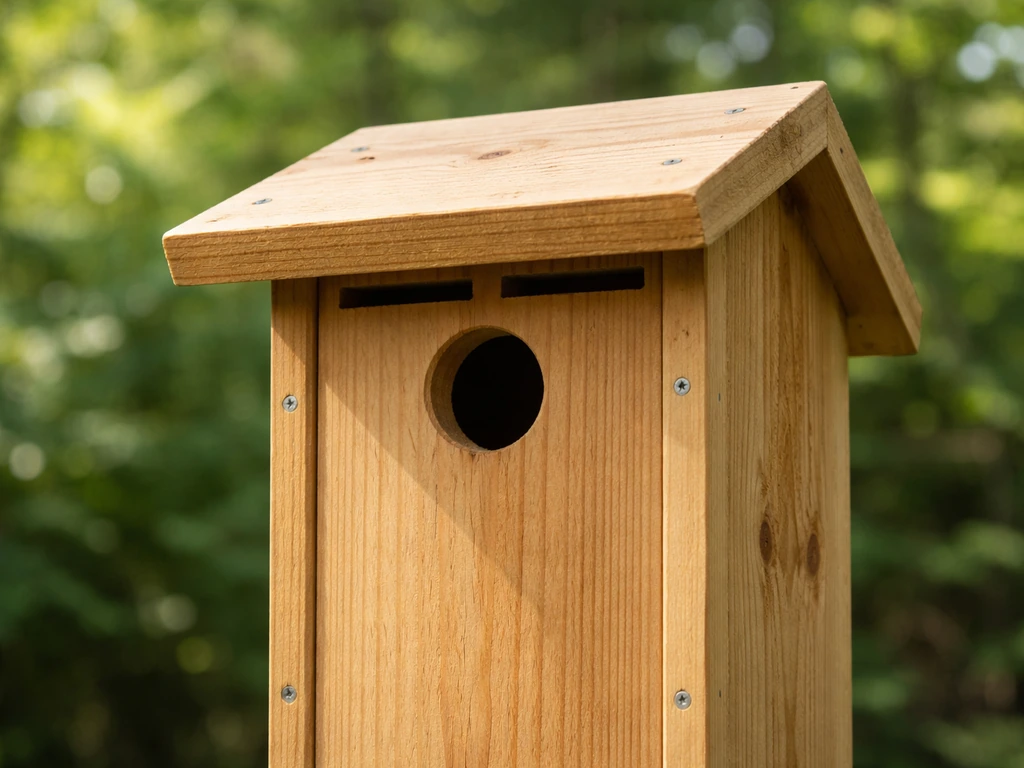
High Quality Bird Houses: How to Choose, Build, and Maintain
Choose, build, and maintain safe, durable bird houses with species-correct design, ventilation, drainage, and easy clean
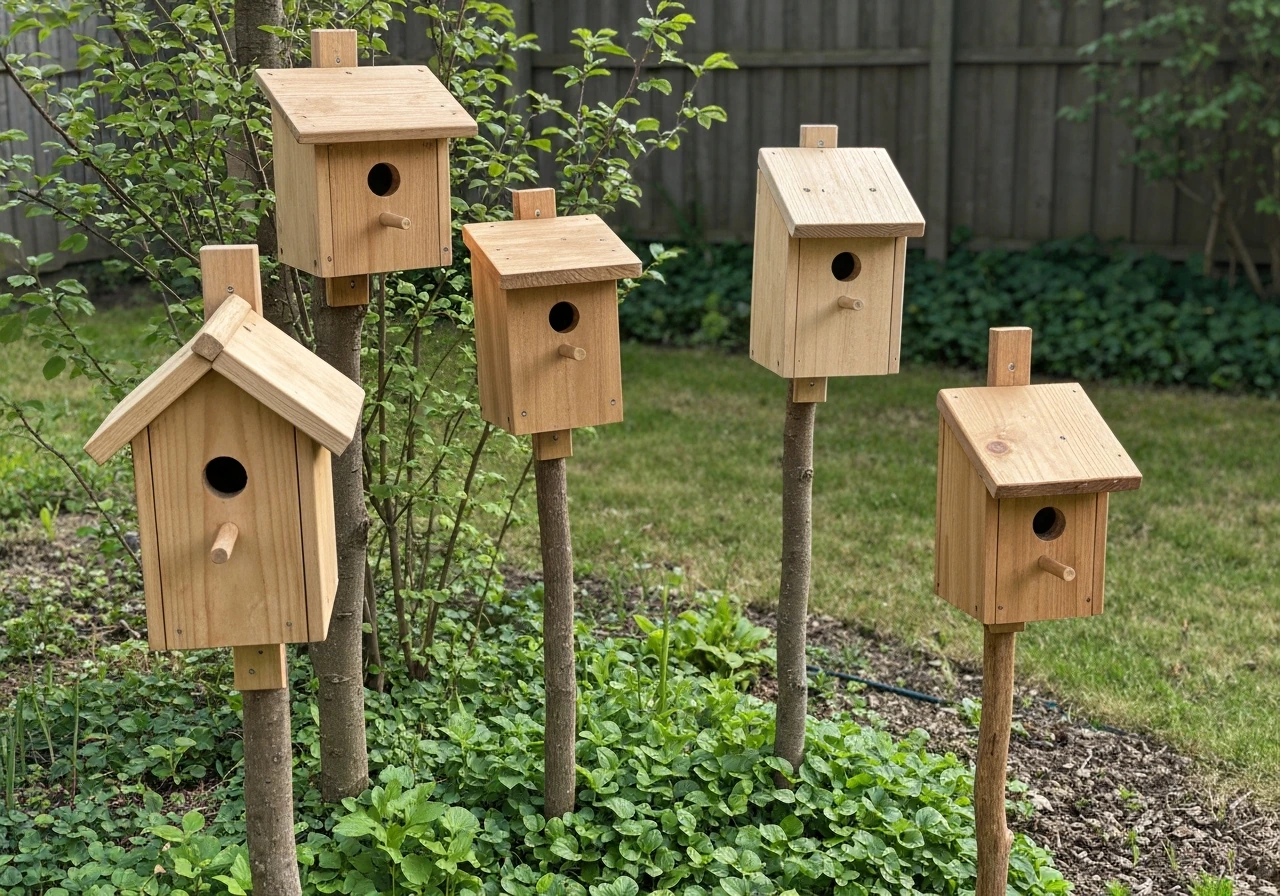
Best Outdoor Bird Houses: Choose, Install, and Maintain
Choose, install, and maintain durable outdoor bird houses with species-safe sizes, placement, predator protection, and c
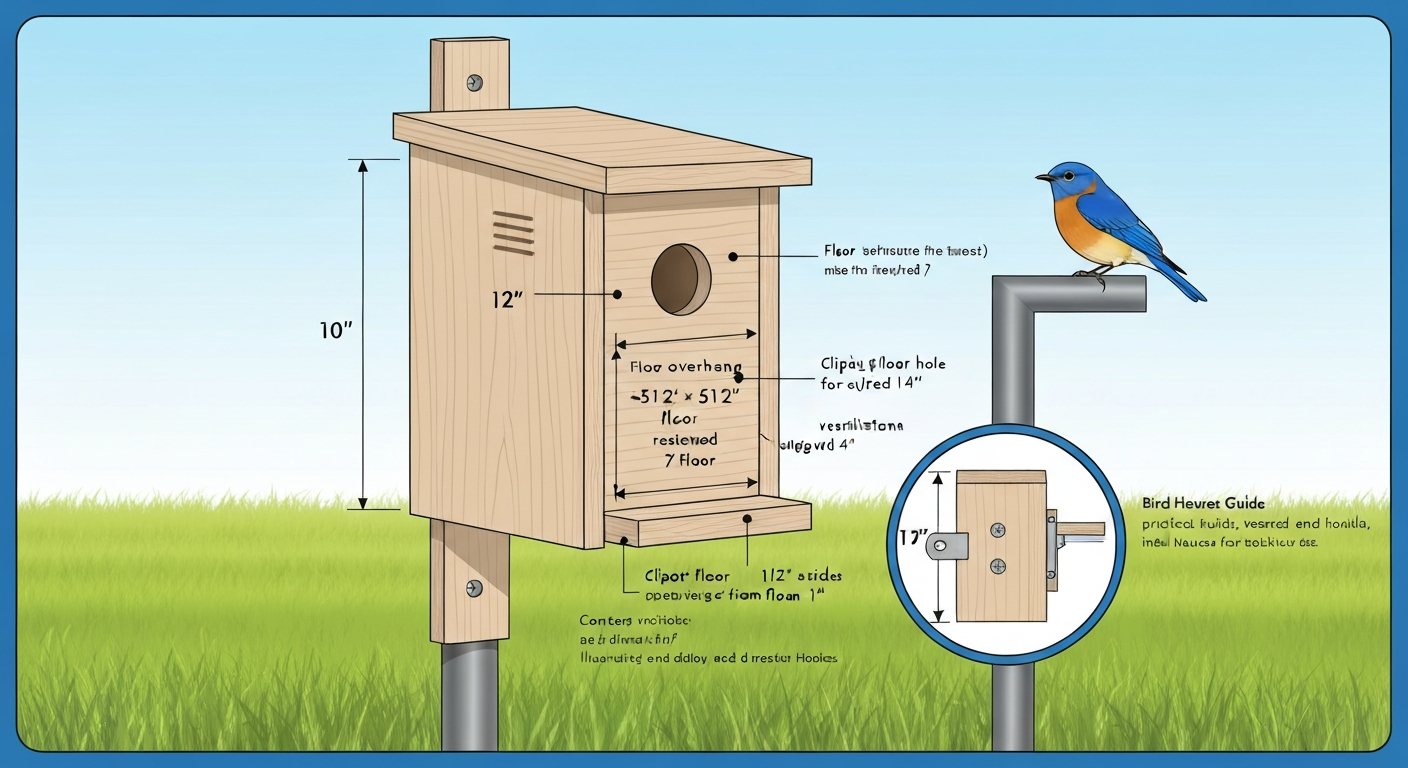
Blue Bird House Instructions: DIY Plans, Sizes & Mounting
DIY bluebird house: step-by-step build, exact cuts and hole sizes, mounting, predator guards, cleaning, and care.