
Northern Cardinals rarely use a standard enclosed birdhouse with a small round entrance hole. They are open-cup nesters, not cavity nesters, so a classic bluebird-style box is not what they're looking for. That said, cardinals will use an open-front nest shelf or platform box, especially when it's placed low in dense shrubby cover that mimics the thick tangles they naturally choose. If you want cardinals specifically, skip the standard hole-in-the-front box and build or buy an open-front shelter instead. If you want the best cardinal bird house, focus on an open-front shelter placed low in dense cover rather than a standard enclosed box.
Do Cardinals Use Bird Houses? How to Set Up Nest Boxes

Maya Thompson
6 May 2026
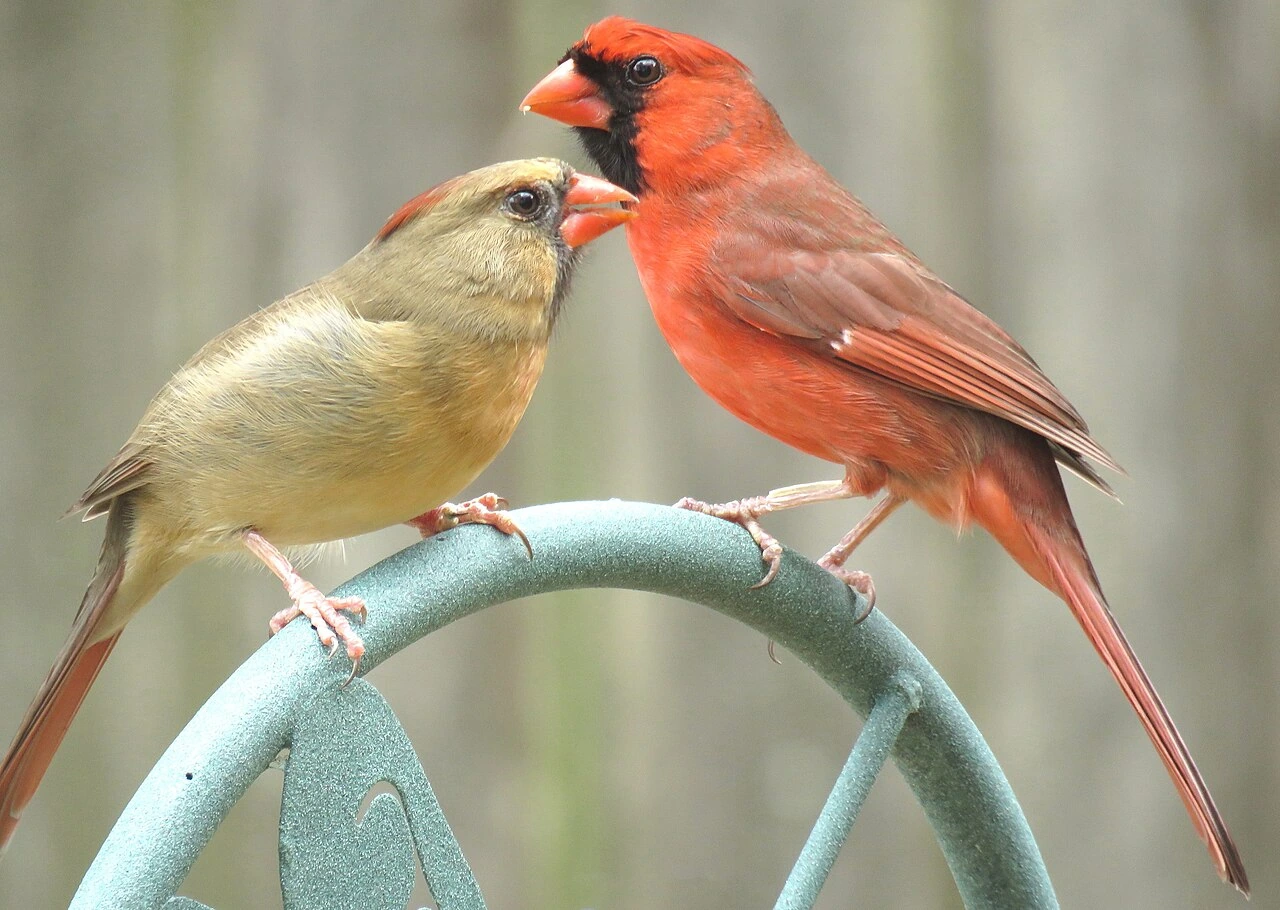
Do cardinals use bird houses? What to expect
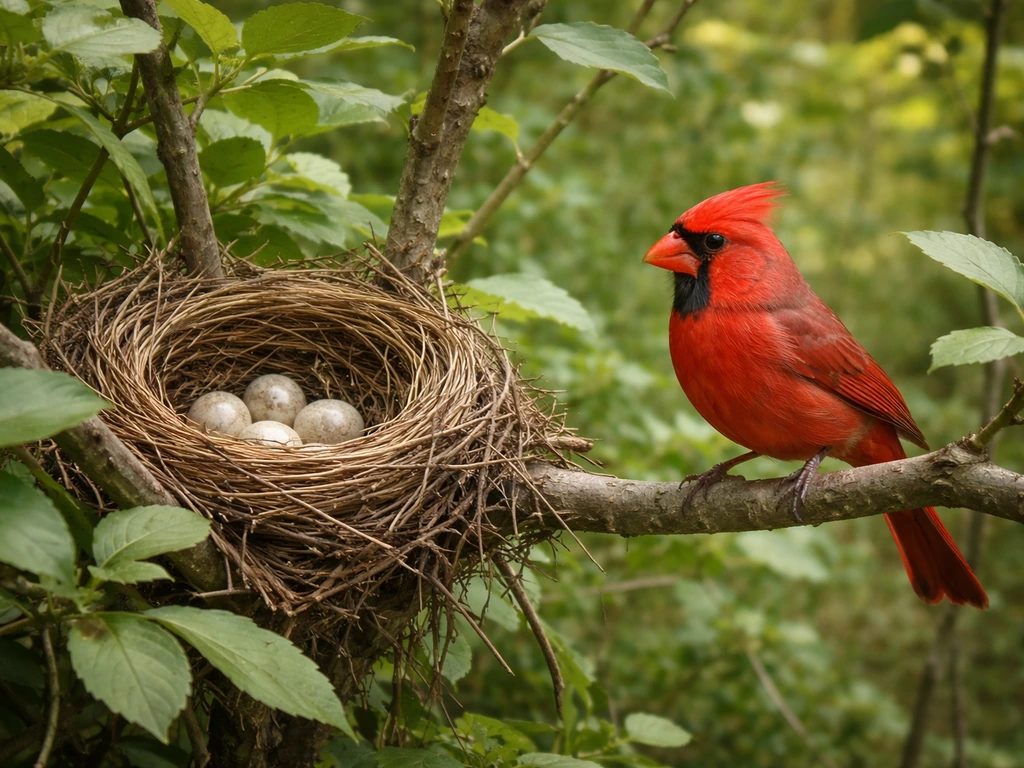
Cardinals are not cavity nesters. In the wild, the female builds an open cup nest wedged into the fork of a shrub, sapling, or dense vine tangle, typically between 1 and 15 feet off the ground, usually closer to 3 to 10 feet. Audubon Field Guide also notes that the northern cardinal’s nest is usually well hidden in dense shrubs, vines, or low trees and placed about 3 to 10 feet above the ground dense shrubs, vines, or low trees and about 3 to 10 feet above the ground. The finished nest is roughly 4 inches across with an inner diameter of about 3 inches and sits 2 to 3 inches tall. It takes her around 3 to 9 days to build. Because cardinals rely on dense foliage to conceal the nest from predators, they have no instinct to seek out a small dark hole in a wooden box the way a bluebird or chickadee would.
So what does this mean for you? It means a traditional enclosed nest box with a drilled entrance hole will almost certainly be ignored by cardinals, no matter where you put it. But an open-front nesting shelf, basically a three-sided box with no front panel, does have a realistic chance of attracting them if the location is right. Cardinals will also sometimes nest in dense ornamental shrubs or vine-covered trellises you plant specifically for them, which is worth knowing if you want multiple strategies working at once. Set your expectations accordingly: cardinals are not reliable nest-box users even with a perfect setup. Getting a pair to use your shelf is genuinely exciting when it happens, not a guaranteed outcome.
What kind of birdhouse cardinals actually use (nest box vs other shelters)
The structure you want is an open-front nest shelf or nesting platform, not a fully enclosed nest box. An open-front shelf has a floor, a back panel, two short side panels, and a roof, but no front panel at all, or at most a very low front lip of about an inch. This design mimics the open-cup style cardinals build naturally. It gives them a supported base and some overhead protection without boxing them in.
Fully enclosed boxes, even ones with very large entrance holes, are generally not what cardinals use. They don't instinctively enter a dark enclosed space to nest. If you're also reading about structures for hummingbirds or doves, it's worth noting that those birds have their own very different nesting styles and structures too, so a one-size-fits-all box won't serve any of them well. Hummingbirds also use different nesting styles, so a birdhouse built for another species usually won't work for them either structures for hummingbirds. If you're also considering setups for doves, note that doves typically use different nesting structures than cardinals do. If you’re also wondering about hummingbirds, their nesting preferences differ a lot from cardinals’ open-front setups, so it’s worth learning what hummingbirds like.
- Open-front nest shelf: best option, directly mimics cardinal natural nesting behavior
- Three-sided nesting platform with roof: acceptable, gives rain protection
- Fully enclosed nest box with large hole: very unlikely to attract cardinals
- Standard bluebird or chickadee box: will not attract cardinals
- Dense plantings of shrubs and vines: a natural complement to any shelf you install
Building and specs basics: hole size, dimensions, and materials for cardinals
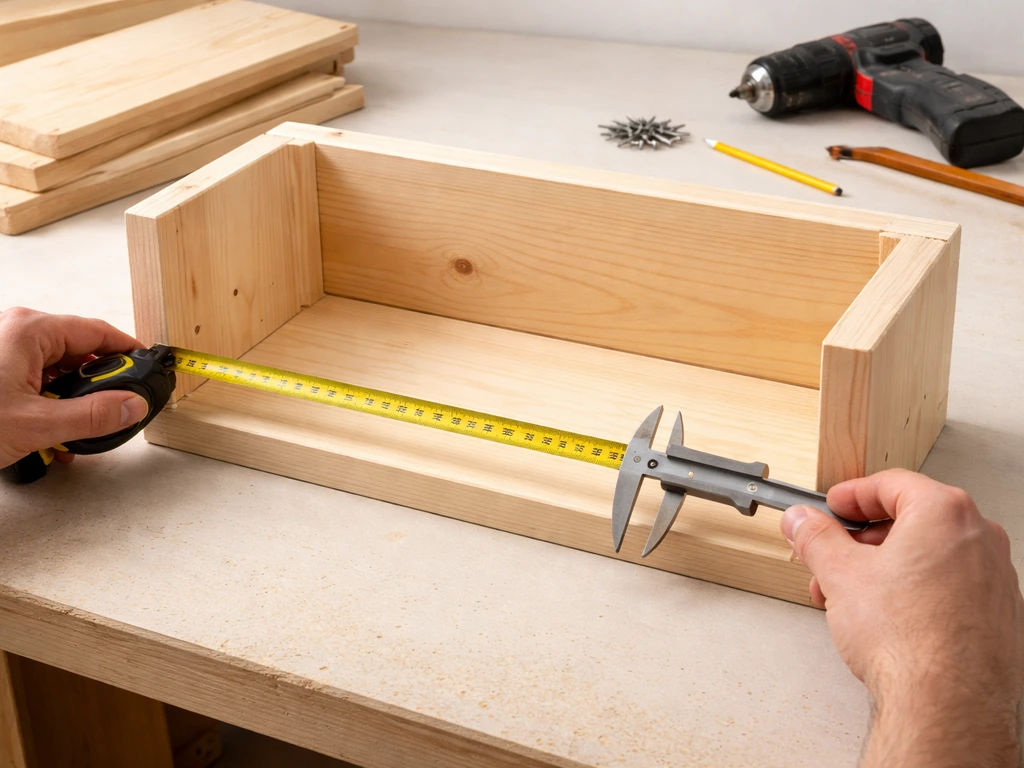
Because cardinals use an open-front design rather than a hole-entrance box, there is no entrance hole to drill. The entire front is open, or left with only a small lip. Here are the dimensions that work well for a cardinal nesting shelf.
| Dimension | Recommended Measurement | Notes |
|---|---|---|
| Floor size | 6 x 6 inches minimum, 8 x 8 inches ideal | Larger floor gives female more room to arrange nest material |
| Side panel height | 6 inches | Provides wind and rain protection without enclosing the front |
| Roof overhang | 2 inches beyond the front edge | Keeps rain off the nest |
| Front lip height | 0 to 1 inch | Low lip helps contain nesting material, not high enough to block entry |
| Drainage holes | 4 small holes in floor corners | Prevents water pooling if rain blows in |
| Wood thickness | 3/4 inch | Use untreated cedar, redwood, or exterior-grade pine |
Untreated cedar is the best material choice because it weathers naturally, resists rot, and doesn't off-gas chemicals near a nesting bird. Redwood works equally well but is harder to find in some regions. If you use pine, choose exterior-grade and leave it unpainted or use only a water-based exterior paint on the outside surfaces only, never the interior. Avoid pressure-treated lumber entirely. Rough-cut the interior surfaces so the female has texture to grip when she's arranging the nest. Drill four small drainage holes in the floor corners and at least two ventilation gaps at the top of the side panels to prevent heat buildup in summer.
Where to mount: location, height, and habitat tips to match cardinal nesting
Placement is the single most important variable with a cardinal nesting shelf. You need to think about three things: height, concealment, and proximity to dense cover.
Mount the shelf between 4 and 8 feet above the ground. Cardinals naturally nest in the 3 to 10 foot range, with most nests averaging around 5 feet in Tennessee observations and 3 to 10 feet in Audubon data. Four to eight feet keeps you squarely in their comfort zone. Going higher than 10 feet dramatically reduces the chance a cardinal will use it.
Concealment matters more than almost anything else. Cardinals choose nest sites based on how well the foliage hides the nest from predators. If your shelf is mounted on an exposed fence post in the middle of an open lawn, it will be ignored. Instead, mount it on a post or tree inside or directly adjacent to a dense shrub, vine tangle, or hedgerow. Native shrubs like spicebush, elderberry, and viburnum are excellent. Non-native but dense options like privet or forsythia also work from the cardinal's perspective, though native plants support more insect life and are better overall. If you have dense holly or juniper, those are great options too.
- Mount at 4 to 8 feet above the ground
- Position inside or directly beside dense shrubs, vine tangles, or hedgerows
- Face the open side away from prevailing winds and direct afternoon sun
- Keep within 10 feet of thick vegetation for cover but avoid branches that give squirrels or cats a launch point directly onto the shelf
- Place within reasonable distance of a feeding station to keep the territory attractive, but not so close that feeder traffic causes constant disturbance near the nest
When to install and seasonal timing for breeding
Get your nest shelf up well before breeding begins. In most of the continental US, cardinal nest building starts in late March to early April. In southern states like Texas, breeding activity can begin as early as January, with peak breeding in May. In northern states, late March is usually the earliest you'll see nest-building behavior. A good rule is to have the shelf in place by late February in the South and by early March everywhere else. Installing it in fall is even better because birds can scout locations over winter.
Cardinals typically raise 2 to 3 broods per year, sometimes more, with the nesting season running roughly April through August in most of the Midwest and Northeast, and longer in warmer climates. The male cares for the first brood's fledglings while the female starts building a new nest for the next brood, sometimes in a completely different location. That means your shelf could sit empty for the first brood and get used for a second or third, so don't pull it down after June.
Predator-proofing, cleaning, and humane maintenance best practices
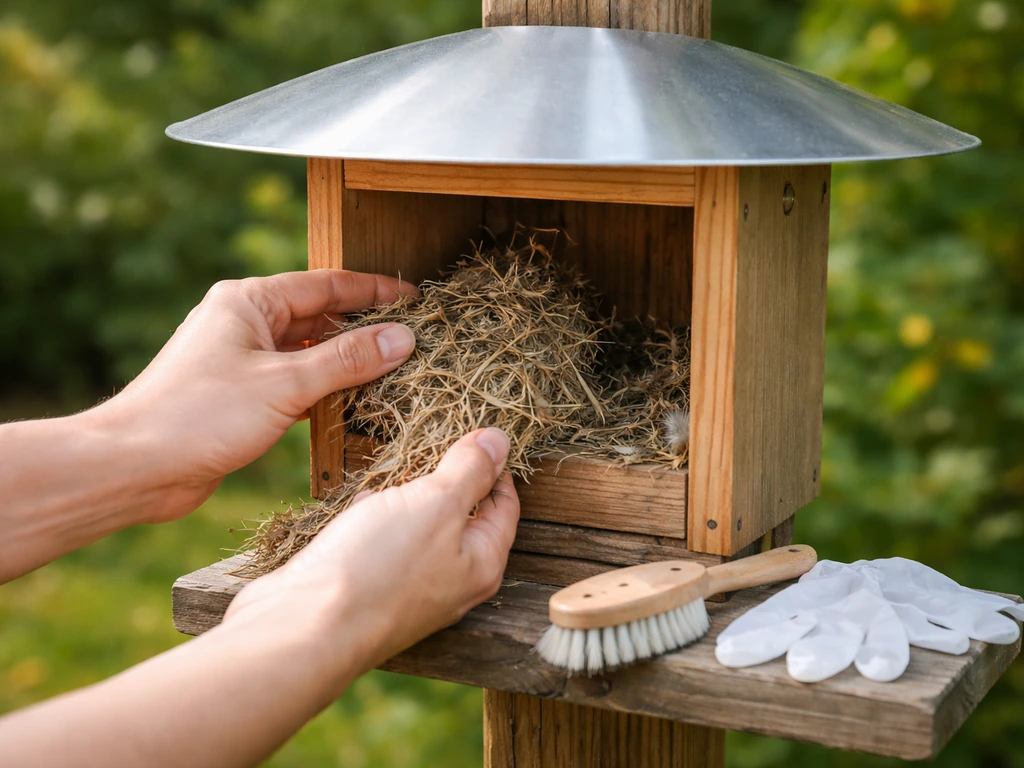
Open-front shelves are more vulnerable to predation than enclosed boxes because there's no protective entrance hole restricting access. That makes a good predator baffle essential. Mount the shelf on a smooth metal pole rather than a tree trunk when possible, and attach a cone-style or cylinder baffle below the shelf at least 18 inches down the pole. The baffle should be wide enough that a raccoon or squirrel can't reach around it, typically at least 15 inches in diameter. Install the baffle before mounting the shelf so you don't have to disturb the site later.
Cats are a serious threat to low-nesting birds like cardinals. Keep cats indoors during nesting season if at all possible, and avoid placing the shelf where neighborhood cats regularly patrol. Removing easy jumping-off points like overhanging branches near the shelf also helps.
blank" rel="noopener noreferrer">House sparrows are a real competitor issue with nest boxes, though open-front shelves are slightly less attractive to them than enclosed boxes. If sparrows start building in your cardinal shelf before cardinals claim it, remove their nesting material promptly and consistently. House sparrows can fit through holes as small as 1.25 inches and will aggressively take over any nest structure, sometimes killing other birds in the process. Because a cardinal shelf is fully open, you'll need to rely on monitoring and removal of sparrow nests before they become established.
Clean the shelf after each brood fledges. Remove the old nest entirely, scrub the floor and sides with warm water, and let it dry completely before the next brood cycle. At the end of the season in late August or September, do a thorough cleaning and structural check. Look for loose screws, warped wood, or gaps that have opened up. OSU Extension and the WCT Trust both recommend at minimum an end-of-season cleanout plus an early spring structural check, ideally in February or March before nesting begins.
Troubleshooting if cardinals won't use your birdhouse
If you've had the shelf up for a full season and cardinals haven't touched it, work through these likely causes before giving up.
- Wrong design: If you have an enclosed box with a round entrance hole, cardinals almost certainly won't use it. Switch to an open-front shelf.
- Wrong location: If the shelf is exposed in the open with no nearby dense shrubs or vegetation, move it. Cardinals need concealment. This is the most common reason a well-built shelf gets ignored.
- Too high or too low: Shelves above 10 feet or below 3 feet are less likely to be used. Adjust to the 4 to 8 foot sweet spot.
- Too much disturbance: Heavy foot traffic, nearby feeder crowding, or a frequently disturbed area will deter a nesting pair. Move the shelf to a quieter zone of the yard.
- House sparrows already claimed it: If sparrows nest in the shelf first, cardinals won't challenge them. Remove sparrow nests immediately and consistently until sparrows give up on that site.
- No cardinals in your area: If you don't regularly see cardinals at feeders or hear their song in your yard, there may not be a territorial pair close enough to find the shelf. Attract them first with safflower or black oil sunflower seeds at a feeder before expecting nesting.
- Timing: If you installed the shelf mid-season after pairs had already established territories elsewhere, wait until the following spring. Cardinals that find the shelf in late summer may scout it as a potential site for next year.
One more thing worth knowing: even with a perfect shelf in a perfect location, cardinals may still prefer to nest in a nearby shrub they found on their own. That's completely normal. The best overall strategy combines a well-placed open-front shelf with dense native plantings that give them natural nesting options too. Give them the choice, and let them decide. If you want to go deeper on the specific design features cardinals respond to best, the details on what bird houses cardinals actually like are worth exploring alongside these basics. The details on what bird houses cardinals actually like are worth exploring alongside these basics.
FAQ
Can I use a regular enclosed birdhouse if the entrance hole is large enough?
Yes, but only if it is truly open-front. If the birdhouse has a front wall with a round entrance, cardinals usually ignore it because they nest as open-cup nests in dense cover rather than using a dark enclosed entry space.
Should I leave last season’s nest inside the shelf for the next brood?
Cardinals will often use the same shelf across multiple attempts, but you should not leave old nests in place. Remove the nest after the brood fledges, then scrub and dry the shelf so the next nesting attempt is cleaner and less scented to predators.
What happens if I put up the shelf too late in the season?
Timing matters. If you install the shelf after nesting has already begun, the birds may not adopt it because females often choose a site early and start building quickly. In warm regions, that could be as early as January, so aim for late winter placement, then do a quick stability check before spring activity ramps up.
How do I handle house sparrows taking over the shelf?
If sparrows start nesting there, remove their nesting material promptly and repeatedly until cardinals claim it. Don’t wait, because house sparrows can establish fast and may prevent cardinals from using the site, even when the shelf is open-front.
My yard has plants, but it still feels open. How do I know if the shelf is in the right concealment spot?
Use the location to reduce exposure rather than trying to “hide” the shelf with plants only. If you already have dense shrubs nearby, put the shelf where the female can still reach dense cover from the platform, with minimal open approach, and make sure the shelf is low enough (typically under 10 feet).
If cardinals ignore the shelf, what should I inspect first beyond placement?
If no bird is using it by the time spring peak starts, first check height and concealment, then check the shelf material and finish. Avoid interior paint and skip pressure-treated wood. Also confirm the shelf is secure and level, because a wobbly or poorly drained platform can discourage nesting even when the location looks perfect.
Can I add mesh or a partial cover to protect the shelf from rain or predators?
A cardinal shelf should not be “boxed in” with mesh or a clear front panel. Even partial enclosed barriers can reduce access or change how safe the site feels, and cardinals are not cavity nesters. Keep the front fully open with only a small lip if any.
Would it help to install more than one shelf to increase my odds?
Yes, but the shelf should be placed low in dense cover, not on a lonely fence post. Multiple short shelves or platforms can work if each is in a separate concealed spot with its own predator protection, but don’t cram them too close together because they can compete for the same micro-site.
Is cleaning really necessary after every brood, or can I clean only once at the end of the season?
You generally should not. Nests can contain mites, and old nest material can carry disease. Scrub with warm water after each fledging, let everything fully dry, and do a broader end-of-season check for loose fasteners, warping, and gaps before reusing it next spring.
If cardinals nest in a nearby bush instead of the shelf, does that mean the setup was wrong?
Cardinals can still choose a nearby shrub even when the shelf is ideal, and that preference can vary by year. If you want a stronger chance, pair the shelf with dense native plants and leave the shelf up through multiple broods, since the first brood may use natural shrubs and later broods might try the shelf.
Next Articles
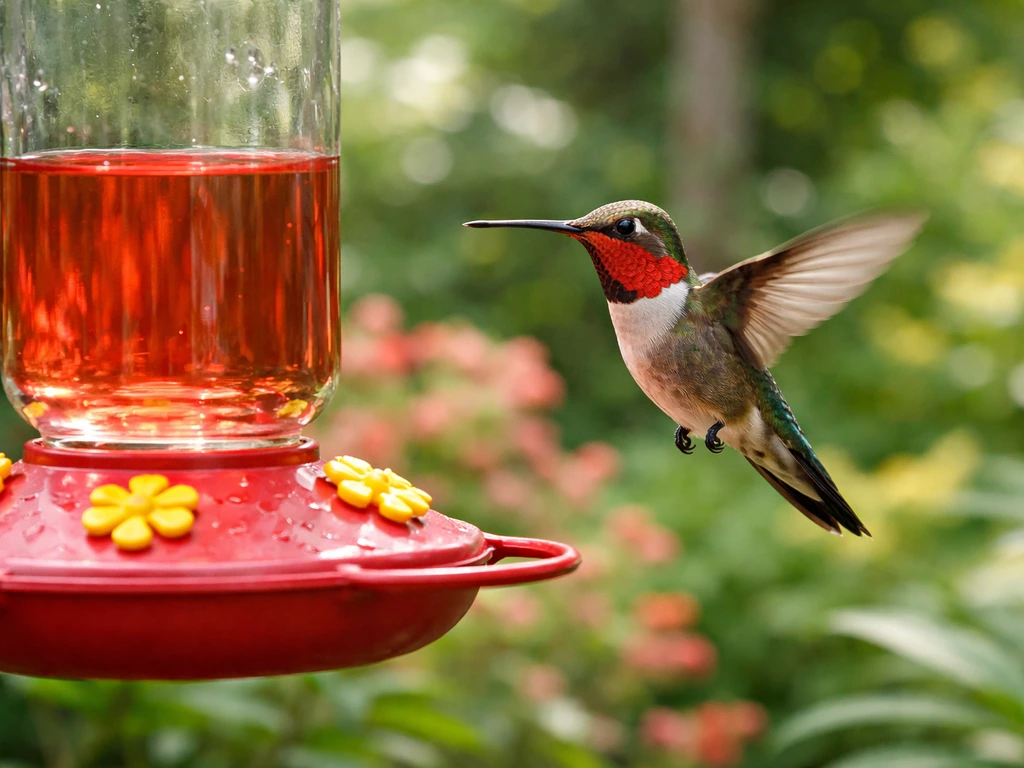
Do Hummingbirds Like Bird Houses? What They Really Need
Hummingbirds rarely use birdhouses; learn what they need for nesting, safe placement, and better ways to attract them.
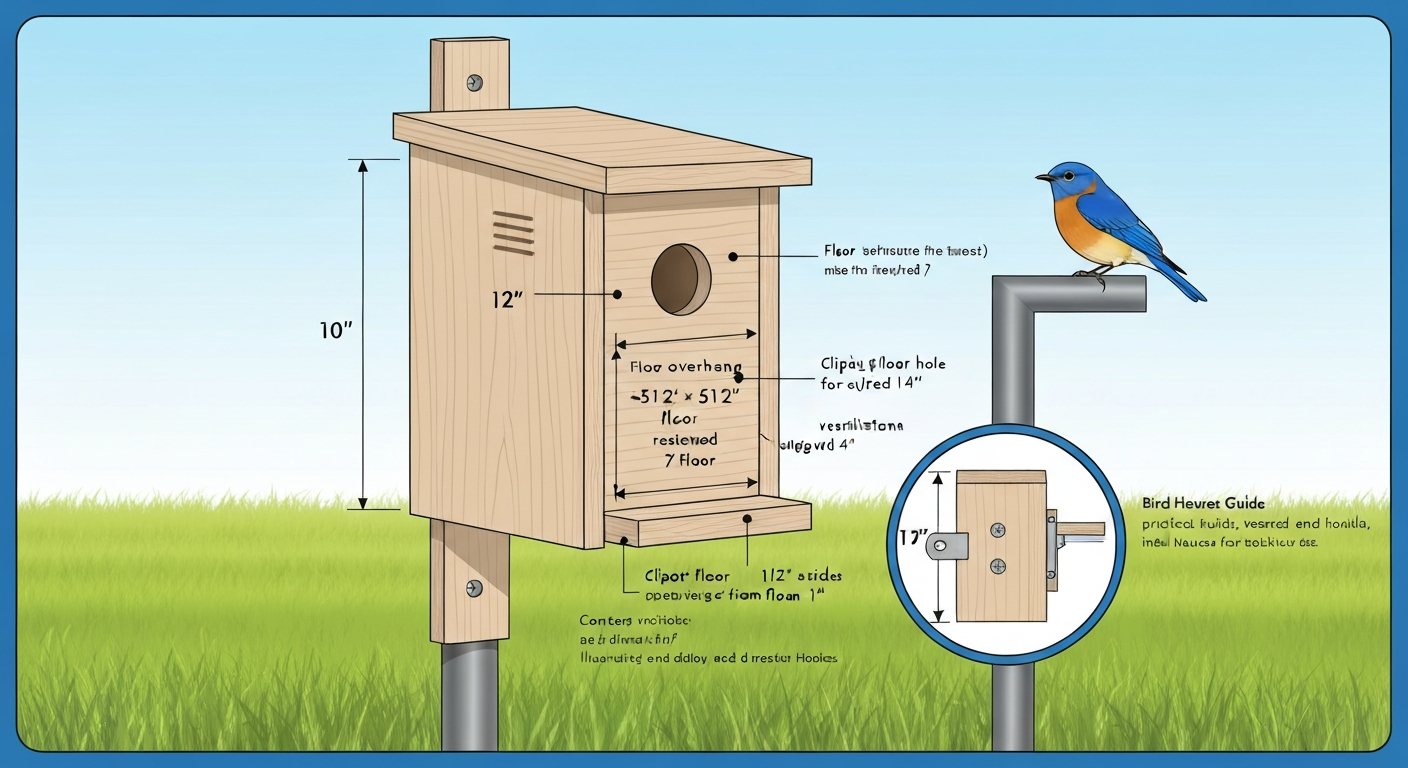
Blue Bird House Instructions: DIY Plans, Sizes & Mounting
DIY bluebird house: step-by-step build, exact cuts and hole sizes, mounting, predator guards, cleaning, and care.
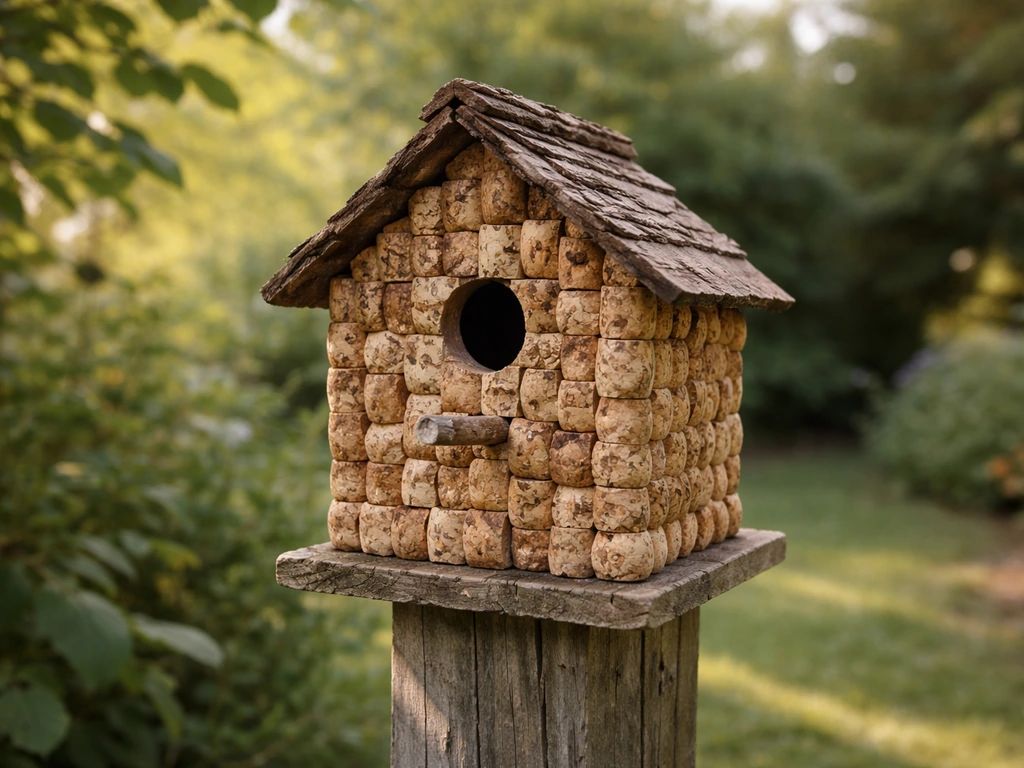
Wine Cork Bird House Instructions: DIY Steps and Bird-Safe Specs
Step-by-step wine cork mini birdhouse build with bird-safe dimensions, safe materials, mounting, cleaning, and weatherpr