For most players, the best seeds to use in OSRS birdhouses are whichever cheap, low-level seeds you can stockpile in bulk: hop seeds like hammerstone, barley, or jute, and low-level allotment seeds like potato or onion. All seed types give you exactly the same rewards, so there is zero reason to waste expensive ranarr or snapdragon seeds on birdhouses. Spend as little per seed as possible, keep 40 seeds on hand per run (or 20 if you use high-level herbs or wildblood hops), and you are doing it right.
Best Seeds for Bird Houses OSRS: Get and Use Them Fast
Maya Thompson
22 Jun 2026
How OSRS Birdhouses Work (and Why Seeds Matter)
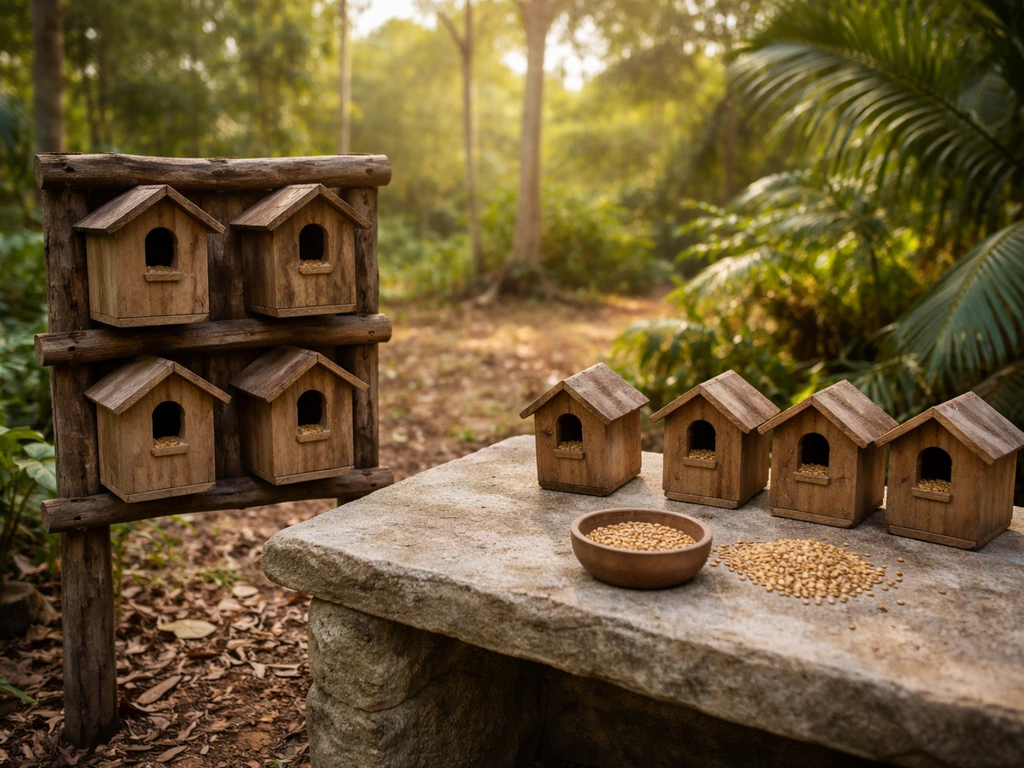
Birdhouse trapping is one of the best passive Hunter training methods in the game. You place up to four birdhouses on Fossil Island, bait each one with seeds, wait about 50 minutes, then come back, empty them, and collect Hunter XP, bird nests, and whatever seeds or resources those nests contain. The whole active portion of a run takes roughly two minutes each way, so this is essentially free XP and profit bolted onto whatever else you are doing.
Seeds are the bait. Without them, you cannot arm a birdhouse and it will not fill. Each birdhouse requires either 10 low-level seeds or 5 high-level seeds. You have four birdhouses per run, which means a standard run costs you 40 seeds if you use cheap low-level options, or 20 seeds if you use high-level herb seeds (ranarr and above) or wildblood hop seeds. Since the rewards are identical regardless of seed type, the math strongly favors cheap seeds every single time.
One important mechanic to understand: the birdhouse must be fully filled before you empty it, which takes roughly 50 minutes. Emptying early saves the clockwork inside but you lose the birdhouse itself, all the seeds you used, and any loot that had already accumulated. Do not rush the timer. Each full birdhouse grants 280 Hunter XP on collection, and each one can drop up to one guaranteed seed nest plus 10 additional chances at nests from the bird nest table. Your Hunter level, not your birdhouse tier or seed type, is what determines how often you get seed nests.
How to Choose the Right Seeds for Your Situation
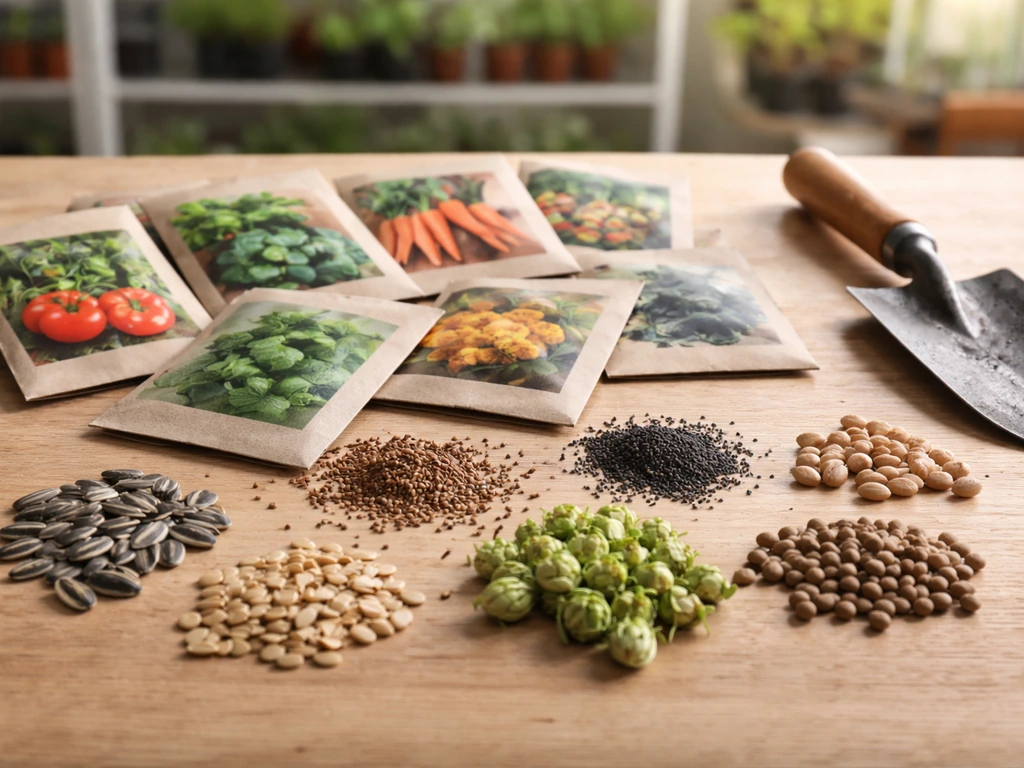
The single most important factor is cost per seed. Because every seed type produces the same outcome, you are simply looking for the cheapest seeds you can reliably get in bulk. That said, your level and account type can shift priorities a little.
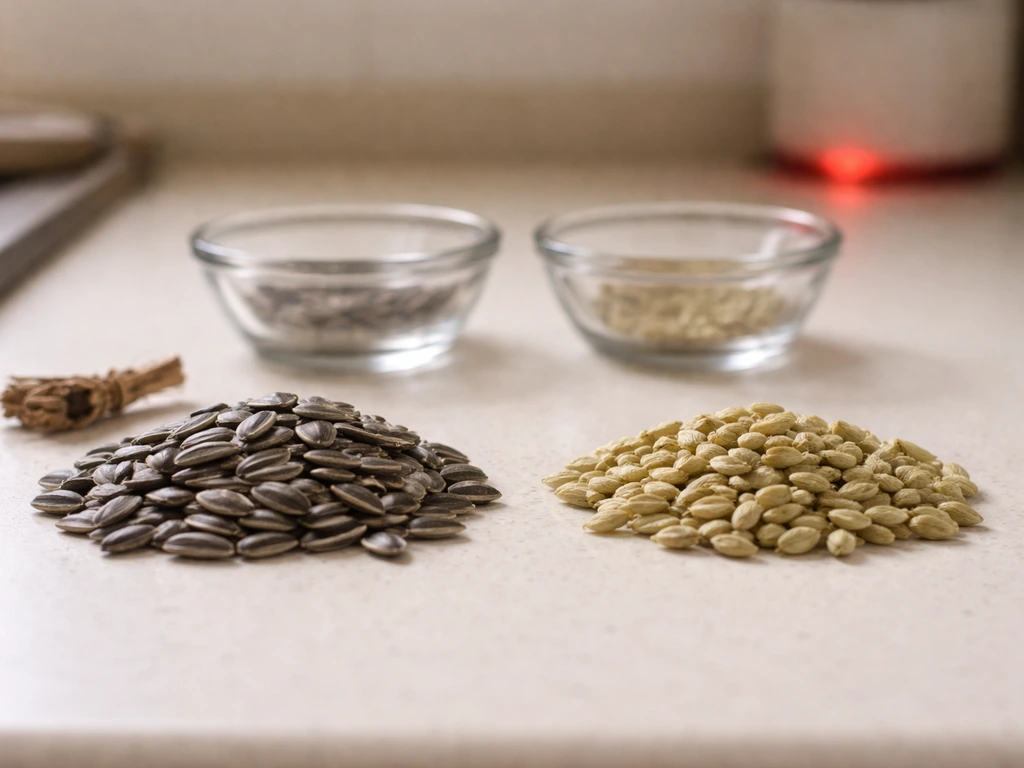
- Low-level hop seeds (hammerstone, asgarnian, barley, jute, yanillian) require 10 per birdhouse and are usually the cheapest option on the Grand Exchange, often just a few GP each.
- Low-level allotment seeds (potato, onion, cabbage, tomato, sweetcorn) also require 10 per birdhouse and are similarly cheap, sometimes even free from seed shops.
- Low-level herb seeds (guam, marrentill, tarromin, harralander) require 10 per birdhouse. These cost a bit more than hop or allotment seeds but are still budget options.
- High-level herb seeds (ranarr and above) require only 5 per birdhouse, cutting your run cost in half by count, but their GP value is far higher, making them an extremely expensive bait choice.
- Wildblood hop seeds require only 5 per birdhouse and tend to be cheap on the GE, making them a solid middle-ground option if low-level hops are temporarily expensive.
- Flower and bush seeds are also accepted at 10 per birdhouse, though supply can be less consistent.
If you are an ironman, the calculus shifts. You cannot easily buy seeds from the Grand Exchange, so you should use whatever low-value seeds you have accumulated through farming contracts, thieving seed stalls, or looting from monsters. Prioritize seed types you cannot directly use in farming training, since those have no opportunity cost as birdhouse bait.
The Best Seeds to Use, Ranked by Priority
Here is a straightforward priority list. Work from the top down based on what you can get cheaply and reliably.
- Hammerstone, barley, or jute hop seeds: The cheapest and most accessible option for most players. Buy in bulk from the Grand Exchange for a few GP each. These are the go-to for any main account running birdhouses consistently.
- Potato, onion, or cabbage allotment seeds: Essentially free from seed stalls in Draynor Village (Olivia's Seed Stall) or Amelia's Seed Shop in the Farming Guild. If you spend any time thieving or doing farming contracts, you will naturally accumulate hundreds of these.
- Wildblood hop seeds: If low-level hops spike in price, wildblood is a strong backup because you only need 5 per birdhouse instead of 10. Check GE prices before committing.
- Guam, marrentill, or tarromin herb seeds: Acceptable if you have a surplus from drops or contracts and nothing better to use them for. Do not buy these specifically for birdhouses if low-level hops are available.
- Flower seeds (marigold, rosemary, etc.): Fine if you have them sitting in the bank unused. Not worth seeking out specifically.
- Harralander seeds: Borderline. They are low-level herbs so they count, but they have more farming value than guam. Use them as bait only if you have a genuine surplus.
Avoid using ranarr, snapdragon, torstol, or any high-value herb seed as birdhouse bait unless you are in a genuine emergency with nothing else available. This bird house hole size guide will help you confirm the right setup so each run stays efficient birdhouse bait. The GP cost simply does not make sense given that they produce the same rewards as a 2 GP potato seed.
Where and How to Get Seeds for Birdhouse Runs
Running out of seeds is the most common reason players skip their birdhouse runs, so having reliable acquisition routes matters. Here are the best options, ordered by practicality.
Grand Exchange (Main Accounts)
The simplest method. Search for hammerstone seeds, barley seeds, or jute seeds and buy a few thousand at a time. At a few GP each and 40 seeds per run, even 2,000 seeds will cover 50 runs. Set a buy offer at or slightly above the listed price and they usually fill fast. Stock up during off-peak hours when prices tend to dip slightly.
Seed Stalls and NPC Shops
Olivia's Seed Stall in Draynor Village and Amelia's Seed Shop inside the Farming Guild both stock low-level allotment and hop seeds. You can buy or thieve from Olivia's stall for free potato and onion seeds. If you are doing regular farming runs and passing through these areas anyway, grabbing seeds from the shop adds almost no extra time and costs nothing meaningful.
Farming Contracts
Completing farming contracts at the Farming Guild rewards you with seed packs that include a range of seeds. Many of the seeds you cannot use for a given contract will be low-level types that are perfect birdhouse bait. Do your farming runs consistently and you will passively build a seed stockpile over time.
Birdhouse Runs Themselves
This one is underrated. The seed nests you collect from birdhouse runs often contain low-level seeds, including hop and allotment varieties. Over time, a portion of your birdhouse output loops back into funding future runs. At higher Hunter levels, seed nest frequency increases, which means the system partially feeds itself.
Ironman Options
For ironmen, thieving from Olivia's stall is the most consistent early-game source. Farming contracts, monster drops, and seed nests from the birdhouse runs themselves will cover most of your needs once you get the loop going. The Ironman farming guide also notes that birdhouse trapping is one of the primary ways to get tree seeds for farming training, so running birdhouses consistently is especially important for ironmen as both a seed source and a Hunter XP method.
How to Plan a Birdhouse Run (Timing and What to Stockpile)
A birdhouse run follows a fixed cycle: place and bait four birdhouses, wait 50 minutes, return and empty, then immediately replace. If you want a step-by-step birdhouse run guide for OSRS, focus on the timing and seed stockpile so you can keep your cycle going birdhouse run guide osrs. The active time each visit is about two minutes if you are efficient, which makes the scheduling the only real challenge.
The cleanest approach is to chain your birdhouse run with your herb run. Herb patches take about 80 minutes to grow, so if you do a herb run and a birdhouse run together every 80 to 90 minutes, you stay on a comfortable schedule. Some players combine both into one trip: do the herb patches first (roughly 10 minutes), then teleport to Fossil Island, empty and rearm the four birdhouses, and leave. By the time the herbs are ready again, your birdhouses are full too.
Here is what to have ready before each run:
- Four birdhouses of the highest tier your Hunter and Crafting levels allow (Oak at 14 Hunter/15 Crafting, Mahogany at 49/50, Yew at 59/60, Magic at 74/75, Redwood at 89/90).
- 40 cheap low-level seeds, or 20 wildblood/high-level herb seeds if that is what you are using.
- A hammer and chisel if you are crafting birdhouses on the spot.
- A clockwork (one per birdhouse, reusable when you properly empty a full birdhouse).
- Teleport to Fossil Island via the Museum Camp minecart from Varrock Museum basement, or a digsite pendant.
Always use the highest birdhouse tier you can. Unlike seeds, the birdhouse tier does affect Hunter XP per run and is believed to influence the overall bird nest yield, so upgrading your birdhouse type as you level is genuinely worthwhile. The seed choice, however, remains the same cheap recommendation at every tier. If you want a quick checklist, use this guide’s bird house do's and don ts to keep your runs efficient and avoid common mistakes.
Common Mistakes and How to Fix Them Fast
Using expensive seeds because you think it matters
It does not. The rewards table is identical for every seed type. If you are burning ranarr seeds on birdhouses, stop immediately and switch to hammerstone or potato seeds. You are wasting thousands of GP per run for zero benefit.
Running out of seeds mid-run
Keep a minimum buffer of 200 to 400 seeds in your bank at all times. That covers five to ten runs without needing a resupply. Anytime you drop below 200, place a GE order for another thousand. Follow a bird house run guide that matches your level and seed supply so you never run short mid-run. Low-level hop seeds are almost always available in large quantities, so this should not be a bottleneck if you stay ahead of it.
Emptying birdhouses too early
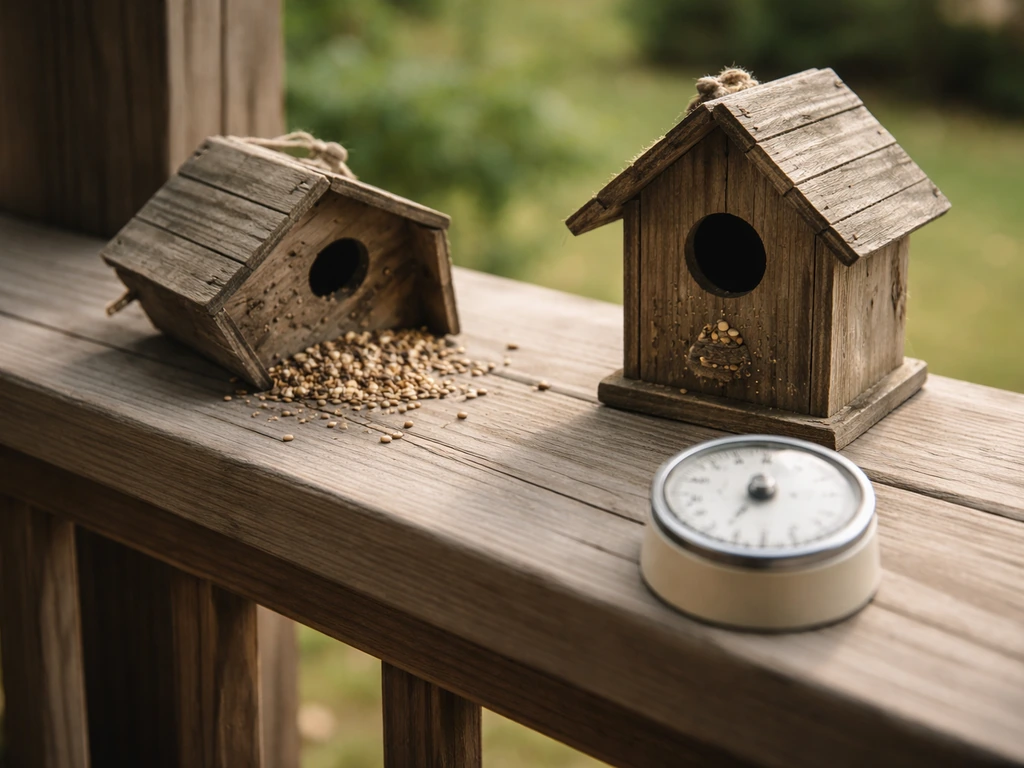
If you empty a birdhouse before the 50-minute fill window, you save your clockwork but lose the birdhouse, your seeds, and all accumulated loot. If you are running late on a timer, just leave it. Come back when you can. The only reason to early-empty is if you accidentally placed the wrong birdhouse tier and want to switch, and even then it is usually better to just wait.
Skipping runs because setup feels complicated
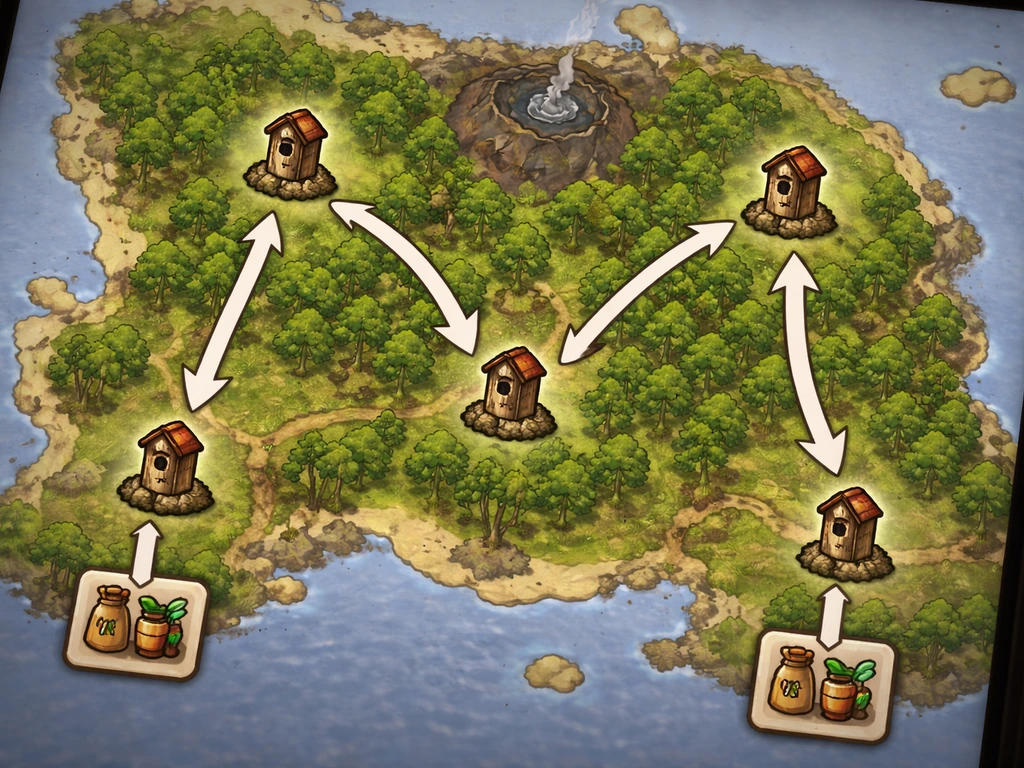
The first run is the hardest because you are learning the Fossil Island layout and the birdhouse placement spots. After two or three runs it becomes muscle memory. The four spots are in fixed locations: two in Verdant Valley and two in the Mushroom Meadow. Use a teleport method that gets you to Museum Camp quickly and the whole trip takes under five minutes including travel. If the crafting and placing feel slow, try crafting all four birdhouses at home before leaving so you only need to place and bait on arrival.
Ignoring seed nests from completed runs
The nests you collect are not just clutter. Open them for seeds, and sort anything useful into your farming seed bank. Low-value seeds loop back into birdhouse bait. High-value tree seeds (like magic or yew) go into your farming training queue. Bird nests also have direct GP value on the GE, so even if you do not want the contents, the nests themselves can be sold or used for Herblore XP via Birdnest potions.
Getting your birdhouse runs dialed in is one of the highest-value habits you can build in OSRS. Once you have a seed stockpile, the right birdhouse tier crafted, and a timing routine locked in alongside your herb runs, the whole system runs on autopilot and generates consistent passive Hunter XP and farming resources every single day you play.
FAQ
If all seeds give the same rewards, why do people still mention specific “best seeds” for bird houses in OSRS?
In practice, the “best” seeds are simply the cheapest seeds you can obtain in bulk without interrupting your run schedule. The only real decision is cost and availability, since reward outcomes are seed-agnostic.
Can I use any seed I have, like sweetcorn or cabbage, as birdhouse bait?
Birdhouses require valid seed types (the same low-level seed pool commonly used for allotments, plus the higher-tier options). If a seed is not one of the birdhouse-eligible types, it will not be accepted as bait, so check your seed icon in the baiting interface before loading a full run.
What should I do if I accidentally run out of seeds halfway through a birdhouse run?
Pause and do not empty early to “recover.” Buy or collect seeds first, then return and restart the baiting cycle. Emptying early wastes the birdhouse and the accumulated loot, so being short on seeds is cheaper to fix than being late to the 50-minute fill window.
Do I need to match seed types across all four birdhouses in a run?
No. You can mix seed types in the same outing, but you still pay the same total seed cost per run. To keep math simple, most players standardize on one low-cost seed type (for example potato or hammerstone) for all four houses.
How do I tell what birdhouse tier I should craft, if I am trying to optimize Hunter XP and nests?
Use the highest tier you currently can craft, then keep seed choice low-cost. If you accidentally craft the wrong tier and want to switch, it is usually better to wait for the correct fill timing instead of emptying early and losing the birdhouse.
Does my Hunter level change how good the nest seed drops are?
Yes, Hunter level affects how often you receive seed nests. The birdhouse tier is about the run and XP side, but nest frequency is tied to your Hunter level, so leveling is what makes the “seed loop” start paying off harder.
Is it ever worth using ranarr or snapdragon seeds during a normal routine?
Only if you have no practical alternative and you are preventing an interrupted schedule. Even then, treat it like a temporary emergency buffer, because replacing hundreds of cheap runs with expensive seeds quickly destroys GP efficiency.
What is the best way to avoid getting stuck on low seed supply on an Ironman?
Create a seed pipeline from multiple places, like farming contract seed packs and thieving Olivia’s Seed Stall, then funnel birdhouse nest seeds back into bait. Don’t rely on one source long-term, because seed nest contents vary run to run.
Should I sell bird nests on the GE or open them for farming seeds?
If you need farming seeds, opening nests is usually higher value because it feeds your seed bank and can reduce how many seeds you must purchase or farm elsewhere. If you already have a seed backlog, selling nests for direct GP value can be better than converting everything into Herblore- or farming-oriented materials.
Do the four birdhouse spots matter for seed results or timing?
The spots are fixed (two in Verdant Valley, two in Mushroom Meadow), but seed outcomes are not tied to a specific spot. The practical difference is convenience, so place the houses in the standard spots once you learn the layout to minimize travel and interaction time.