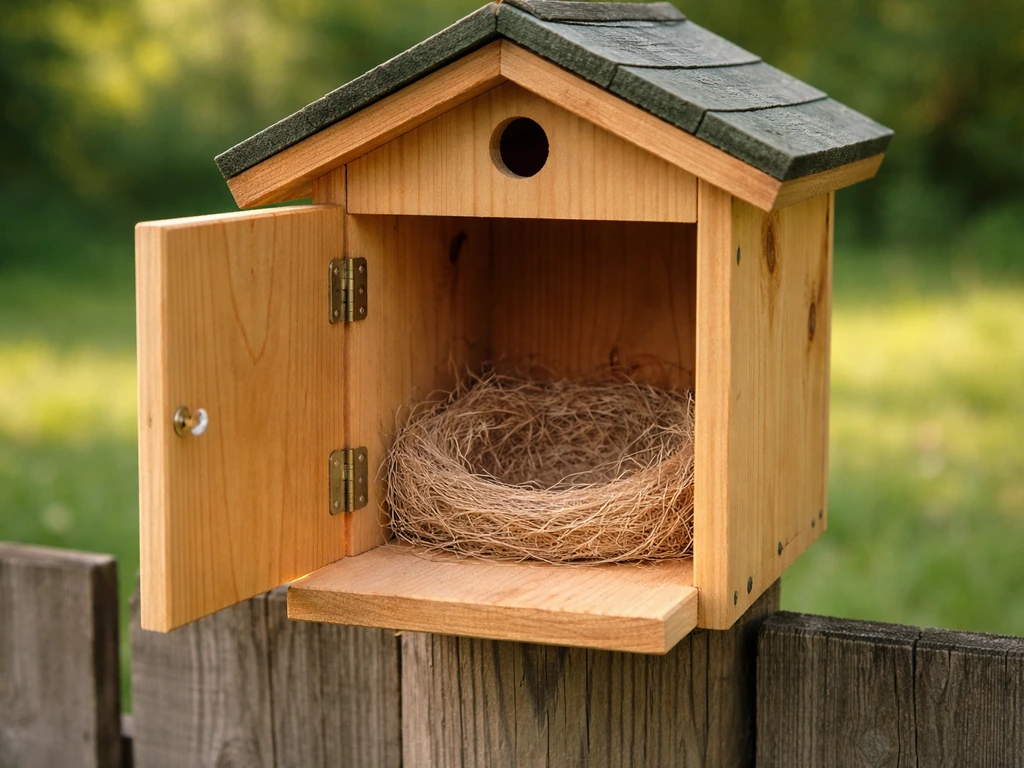
Yes, bird houses are genuinely good for birds and for local wildlife, but only when they are built to the right dimensions, placed in the right habitat, protected from predators, and cleaned out every season. Get those things right and you are actively helping cavity-nesting species that are often short on safe nesting sites. Get them wrong and a box can become a trap, a disease reservoir, or a foothold for invasive species like house sparrows and European starlings. The good news is that the conditions for doing it well are not complicated, and this guide walks you through every one of them.
Are Bird Houses Good? When They Help Birds and When They Don’t
Maya Thompson
6 Jun 2026
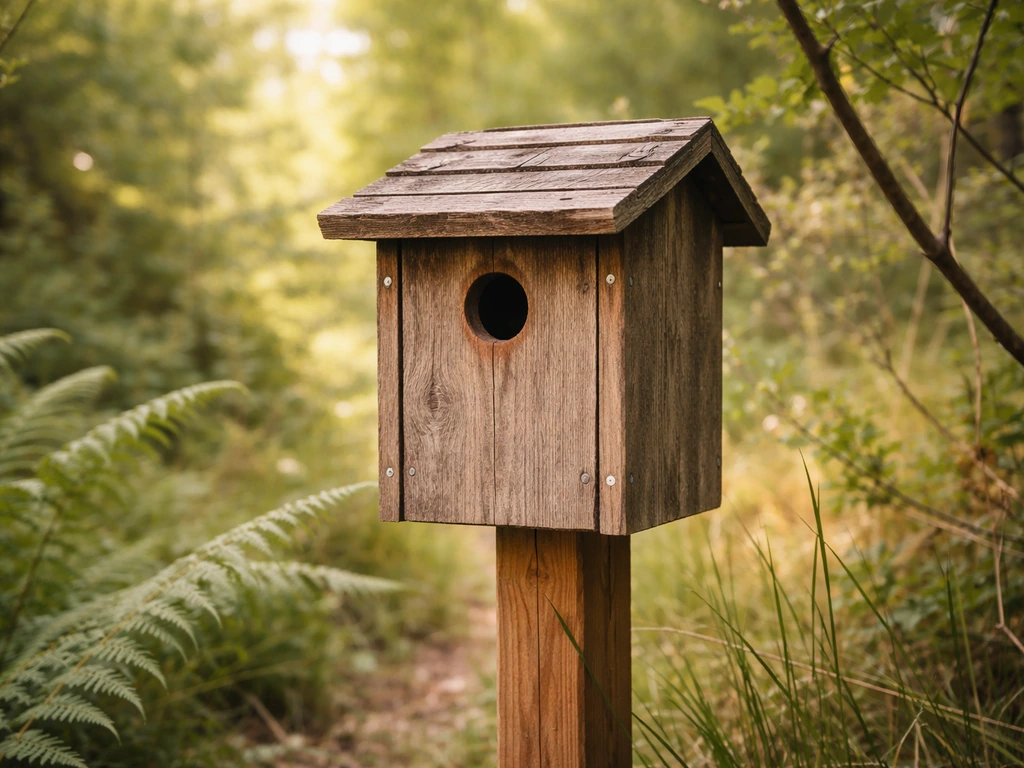
When bird houses help vs. when they hurt
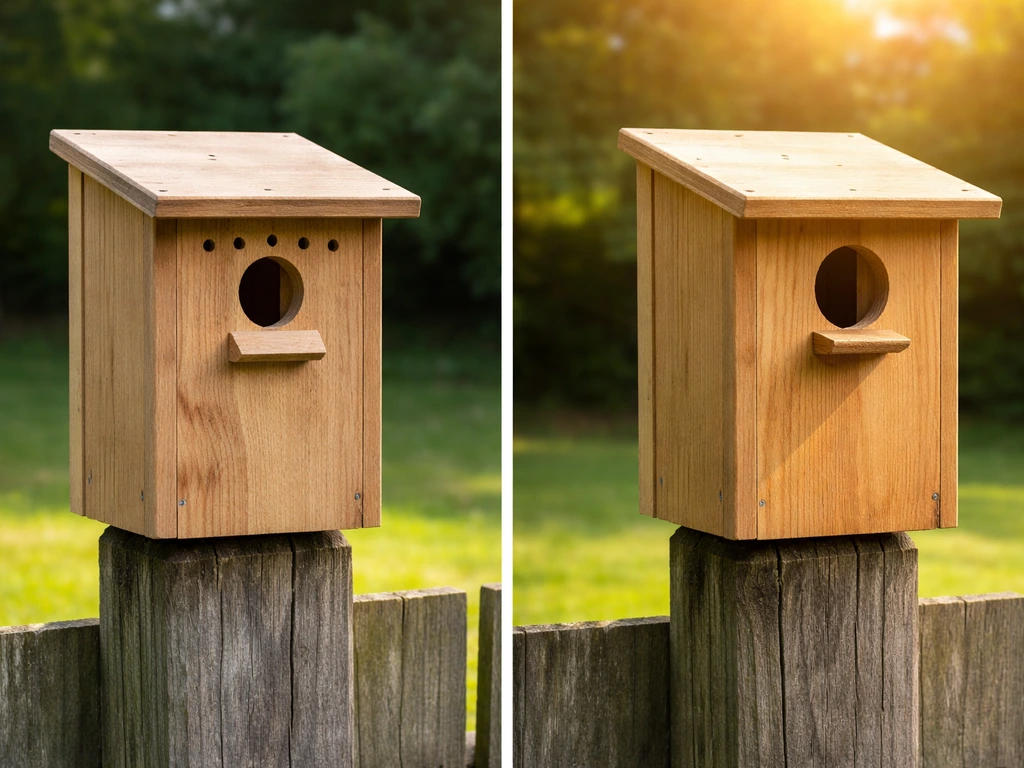
Cavity-nesting birds, including eastern bluebirds, chickadees, tree swallows, wrens, wood ducks, and several owl species, cannot excavate their own holes. They depend entirely on existing cavities: dead trees, old woodpecker holes, and natural hollows. As Connecticut DEEP points out, the availability of those natural nest sites has declined in many areas, which means a well-made nest box placed in suitable habitat fills a real gap. Studies and wildlife agencies consistently report improved nesting success when boxes are correctly designed and managed.
A box becomes harmful when it does any of the following: overheats chicks because of poor ventilation or the wrong color in a hot climate, allows predators easy access, attracts invasive house sparrows or starlings because the entrance hole is the wrong size, harbors parasites or pathogens from old nesting material that was never removed, or uses materials like pressure-treated lumber that off-gas chemicals into a confined space. A peer-reviewed review in ScienceDirect confirms that predation, competition, parasite infestation, and poor microenvironment are the main drivers of negative outcomes in nest boxes. Every section below targets one of those failure points.
Conditions that make a birdhouse actually beneficial
A nest box delivers real conservation value when it checks five basic boxes: it is sized for a specific target species, placed in that species' preferred habitat, built from safe materials, protected from predators, and cleaned between nesting seasons. It is important to verify that the nest box is made from safe materials and is designed and maintained in a way that keeps birds protected. Miss any one of those and benefits shrink fast.
The encouraging part is that each condition is easy to meet with inexpensive materials and a single afternoon of work. Texas Parks and Wildlife confirms that bluebirds, chickadees, wrens, owls, and many others will readily use a birdhouse if it is built to the right dimensions, so the demand is there. You just need to meet it correctly.
Material choice matters more than most beginners expect. Use untreated wood: cedar, pine, and cypress are the most common recommendations because they resist moisture and hold up outdoors. Pressure-treated lumber is impregnated with pesticides and fungicides and should never be used for a nest box, according to both NestWatch (Cornell Lab) and Connecticut DEEP.
Do not paint or stain the interior of the box under any circumstances. A light exterior coat of a non-toxic, water-based paint on the outside only is acceptable if you want to extend the life of the wood, but keep it off the inside walls, floor, and the area around the entrance hole.
Metal boxes are a risk in warm climates because metal conducts heat and can push interior temperatures to lethal levels during summer, a point highlighted by both OSU Extension and peer-reviewed thermal research.
Species matching: dimensions and entrance-hole sizes
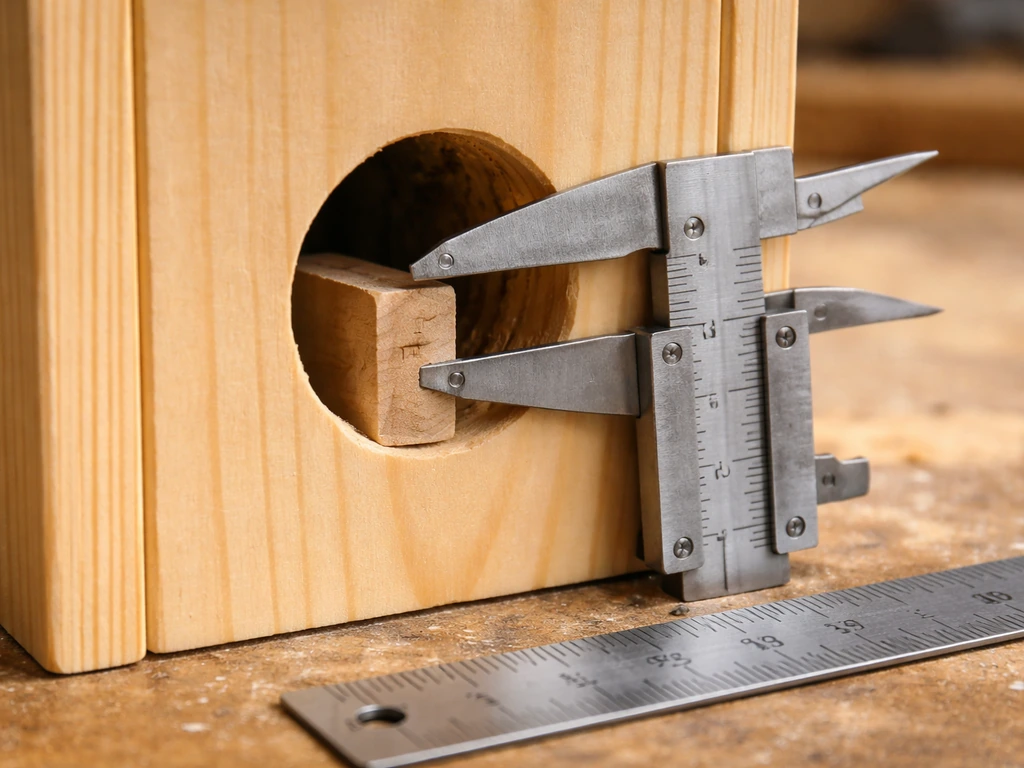
This is the single most important design decision you make. An entrance hole that is even a quarter-inch too large invites competitors and predators. One that is too small locks out your target bird. The table below gives you the key specs for the most common backyard cavity nesters, based on USDA and TPWD guidance.
| Species | Floor Size (in) | Cavity Depth (in) | Entrance Height Above Floor (in) | Entrance Hole Diameter (in) |
|---|---|---|---|---|
| Black-capped Chickadee | 4 x 4 | 9 | 7 | 1 1/8 |
| Tree Swallow | 5 x 5 | 8 | 6 | 1 3/8 |
| Eastern Bluebird | 5 x 5 | 6 | 10 | 1 3/8 |
| Carolina Wren | 4 x 4 | 8 | 6 | 1 1/2 |
| Wood Duck | 10 x 18 | 24 | 20 | 3 x 4 (oval) |
| Eastern Screech-Owl | 8 x 8 | 12–15 | 9–12 | 3 |
House sparrows can squeeze through entrance holes as small as 1 1/4 inches, so for chickadee boxes the 1 1/8-inch hole is a meaningful deterrent. European starlings are a bigger problem for larger boxes: keeping the hole at or below 1 1/2 inches blocks starlings from most songbird boxes. For bluebird boxes, Audubon stresses using the exact 1 3/8-inch diameter rather than going larger, and if you want to run multiple boxes for bluebirds, pair them with a nearby swallow box to ease competition between those two species rather than letting them fight over one.
For wood duck boxes, NestWatch recommends stapling 1/4-inch mesh hardware cloth on the interior wall from the floor up to the entrance hole. This gives newly hatched ducklings a rough surface to climb when they make their dramatic first leap out of the box. Without it, the smooth interior of a deep box can trap ducklings.
Placement and habitat: where to mount for nesting success
A correctly built box in the wrong spot goes unused or worse, attracts the wrong species. Habitat matching is not complicated but it is non-negotiable. Bluebirds want open fields with low or sparse ground cover and a clear flight path to the box, mounted 4 to 6 feet high on a freestanding pole. Tree swallows prefer similar open areas near water.
Chickadees and wrens want the edges of wooded areas or brushy gardens, mounted 5 to 10 feet up on a tree or post. Wood ducks need boxes over or very close to water, typically 4 to 6 feet above the waterline on a pole in a pond or marsh. Screech-owls prefer mature woodland edges, mounted 10 to 30 feet up on a tree trunk.
Orientation matters too. Face the entrance hole away from the direction of prevailing storms, which in most of North America means facing north or east. This keeps rain from blowing directly into the box. Afternoon sun on the front of a dark box raises interior temperatures significantly, a real risk on hot summer days when chick mortality from overheating is documented in research. Shade from afternoon sun or a lighter exterior color helps keep temperatures safe.
Every box needs drainage holes or beveled corners on the floor, plus ventilation gaps near the top of the side walls. When you set up a nest box, making sure it is safe and comfortable for birds, not overheating or trapping them, is just as important as keeping it clean Every box needs drainage holes. Without drainage, a wet nest can kill eggs and chicks. Without airflow, summer heat builds fast inside a sealed wooden box. To keep a bird house from overheating, focus on shade, ventilation, and safe materials so it stays comfortable for chicks summer heat builds fast inside a sealed wooden box.
Predators, parasites, and disease: the basics of keeping a box safe
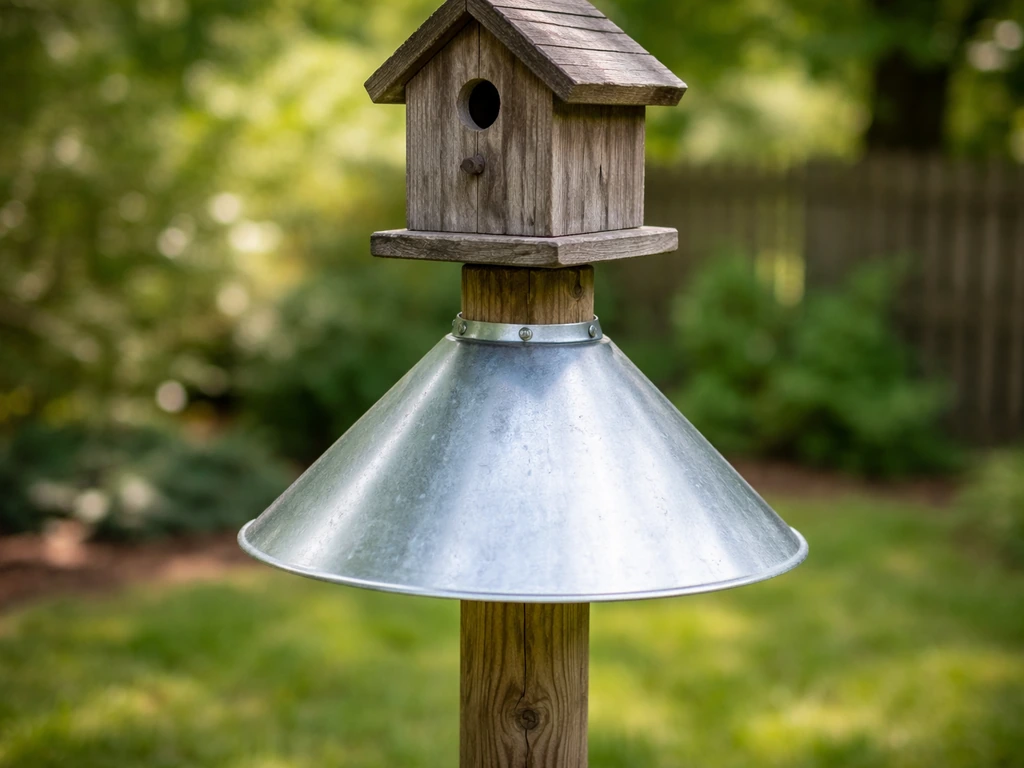
Predators are the number-one cause of nest failure in boxes. Raccoons, cats, rat snakes, and squirrels all raid nest boxes regularly, and a box mounted directly on a fence post or tree trunk with no guard is essentially unprotected. NestWatch is direct about this: do not assume a box alone is sufficient. You need a predator guard.
The most effective guards are stovepipe or cone-style baffles mounted on the pole below the box. Maryland DNR guidance specifies that the baffle should be installed on the pole before final mounting so the guard physically wraps the pole and prevents mammals from climbing past it. A metal pole instead of a wooden one adds another layer of protection because it is harder to grip. For boxes on tree trunks, a wide cone baffle around the trunk below the box helps, though pole-mounting is generally safer than tree-trunk mounting for predator control.
Blow flies, mites, and blowfly larvae are the main parasite threat inside a nest box. They breed in old nesting material, so removing that material between nesting attempts is the most practical control measure. Monitoring during the season also lets you spot infestations early. Some birders add a small handful of dried herbs like lavender or mint to a cleaned box, though the evidence for effectiveness is mixed. The structural fix, cleaning out old nests, is what actually works.
Disease risk, including avian pox and respiratory pathogens, increases when old fecal matter and damp nesting material accumulate in a confined space. This is why sanitation is not optional, it is a core part of running a nest box responsibly.
Maintenance and sanitation: what to do each season
New Jersey Audubon recommends checking most nest boxes weekly between April and August. That might sound like a lot, but a quick peek takes about 30 seconds and lets you catch problems (a sparrow nest being built over a bluebird nest, a predator attack, a parasite bloom) before they become fatal. Wood duck boxes are an exception, they are typically checked less frequently because of their location over water.
- Early spring (before breeding season, late February to March): Remove all old nesting material, scrub the interior with a stiff brush, rinse with a dilute bleach solution (1 part bleach to 9 parts water), let it dry completely before closing, and check that drainage and ventilation holes are clear.
- Active nesting season (April to August): Check weekly. Record what you find: number of eggs, number of chicks, species. Never open a box when chicks are close to fledging (eyes open, fully feathered) to avoid premature fledging. If you find a house sparrow nest in a box meant for native species, remove it.
- Late summer to fall (after fledging): Remove old nest material promptly. This is especially important if there was a parasite problem. A second scrub-down is worthwhile after a heavy infestation.
- Winter: Leave the box open or remove the front panel so it can air out and dry completely. Some birders leave the box closed and filled loosely with wood shavings (not sawdust) to provide winter roosting cover for chickadees and wrens, which is a legitimate and beneficial use. OSU Extension notes that drainage and air holes should be unclogged as part of any cleaning visit.
Conservation and environment: supporting wildlife without unintended harm
Done well, nest-box programs have clear conservation value. Connecticut DEEP lists eastern bluebirds, wood ducks, and ospreys as species that have benefited measurably from nest-box programs as natural cavity availability has declined. That is a real outcome, populations supported by people willing to build, mount, and maintain boxes over the long term.
The environmental concern most worth taking seriously is the risk of supporting non-native invasive species. House sparrows and European starlings are the two main culprits in North America. Both are cavity nesters that aggressively displace native birds, and both will happily move into a poorly designed or poorly monitored nest box. The fix is correct hole sizing, active monitoring, and removing house sparrow nests when you find them. This is not cruel, it is necessary conservation management.
Overheating is another documented environmental hazard. Research published in PMC shows that a box's surface color and reflectance directly affect interior temperature profiles, and that high internal temperatures carry real fitness costs for developing chicks. In hot climates or during heat waves, a poorly designed or poorly sited box can cause mortality rather than prevent it. Light-colored exteriors, ventilation gaps near the roof, and shaded afternoon placement reduce this risk substantially.
Finally, think about whether your yard actually supports the species you are targeting before you put up a box. A bluebird box in a densely wooded suburban backyard is not going to attract bluebirds. Match the box to the birds that already use your space, and you will have much better results than picking a species because you like how it looks and hoping it shows up.
If you want to dig deeper into what makes a specific design stand out, or what to put inside the box before you mount it, those are topics worth exploring in detail as natural next steps. If you are also wondering what to put inside a bird house, the key is to keep the box clean and avoid adding materials that can trap moisture or harbor parasites.
FAQ
Are bird houses good if I only put one up and I’m not able to check it often?
They can be, but you need enough monitoring to prevent two common failures: predators raiding multiple times and invasive birds taking over. If weekly checking is hard, choose a target species and box location where predators are unlikely to access it, install a baffle, and plan a strict cleanout schedule after the nesting season ends.
Will a bird house attract the “right” birds automatically, or could it bring invasives?
It is possible for the wrong species to move in, especially house sparrows and European starlings. To reduce the odds, use the correct entrance hole size for your target species and treat box management as active conservation, including removing sparrow nests quickly when found.
Is it safe to paint or stain the inside of a nest box?
No. Interior staining or paint can trap moisture and add chemicals close to chicks. If you want protection, keep coatings only on the exterior, use a non-toxic, water-based product, and leave the entrance area and inner walls bare.
Do bird houses need ventilation and drainage, and what happens if they don’t?
Yes. Without drainage holes or beveled flooring, wet nests can fail quickly, and without small airflow gaps near the top, summer heat can build to dangerous levels. A “leak-free” box is not the goal, controlled openings are.
How close to each other can I place multiple bird houses without problems?
Placement matters because competition rises when similar species share the same foraging area. For bluebirds, the article notes pairing a nearby swallow box rather than stacking multiple bluebird boxes in one spot. As a general rule, space boxes so target birds can claim nesting territory without forcing repeated fights at the entrances.
Are bird houses good for ducks and owls, or is the design different?
They can be good for those species, but the box design is not one-size-fits-all. Wood duck boxes need interior surface texture so ducklings can climb out, and owl boxes require taller mounting and a different approach to entrance and placement to match mature woodland edges.
What’s the safest way to mount a bird house to keep predators out?
Use a dedicated predator guard such as a cone or stovepipe baffle on a pole, and avoid mounting directly on a fence post or bare tree trunk without protection. Pole mounting with a baffle typically provides more reliable barriers because it denies climbing surfaces and overhang access.
If I find old nests or nesting material, do I have to remove it right away?
You should remove old nesting material between nesting attempts and between seasons, because parasites and pathogens often persist in it. Don’t wait until the end of the season if you observe infestation signs early, and use sanitation as part of routine management, not just end-of-year cleanup.
Are bird houses good in apartments or small yards where species options are limited?
Yes, but you must match the box to what your yard supports. A cavity-nester like bluebirds usually needs open habitat and a clear flight path, while chickadees and wrens are more compatible with wooded edges. Pick the species that already uses your area or your box may sit empty.
What’s the best schedule for checking a nest box without disturbing birds too much?
A practical approach is brief, frequent inspections during the main nesting window. The article suggests quick peeks weekly between April and August, about 30 seconds, so you can correct issues early without prolonged disturbance. Wood duck boxes are often checked less frequently due to location over water.
Are bird houses good if the entrance looks “almost right,” like being slightly larger or slightly smaller?
Small mistakes can cause big differences. Entrance size drives both competitor success and predator access, and even a quarter-inch discrepancy can meaningfully change which birds can enter. Measure entrance diameter carefully and build or adjust before the season starts.
Should I put anything inside the bird house, like herbs, feathers, or bedding?
Avoid anything that can trap moisture or increase parasite risk. The article notes some birders add dried herbs, but evidence is mixed, so cleaning and proper materials matter more. Do not add bedding, insulation, or attractants that could worsen dampness or harbor pests.
Next Article
What to Put in a Bird House: Safe Nesting Setup Guide
What to put in a bird house: safe nest liner and floor setup, do and don’t lists, cleaning tips, maintenance for nesting