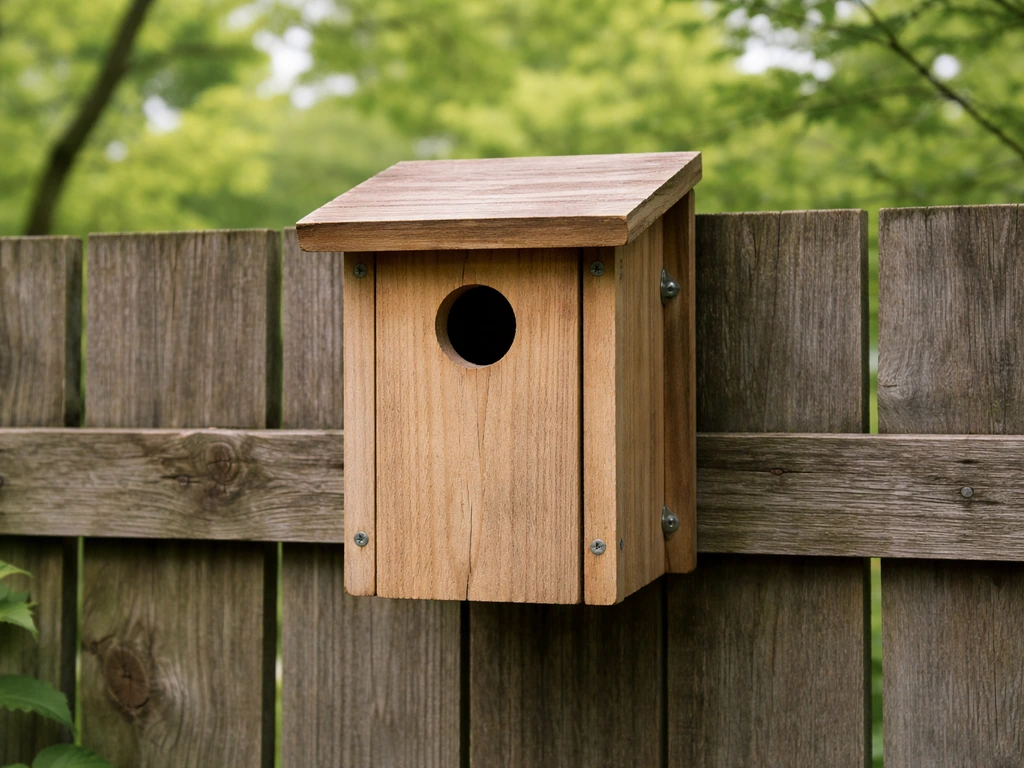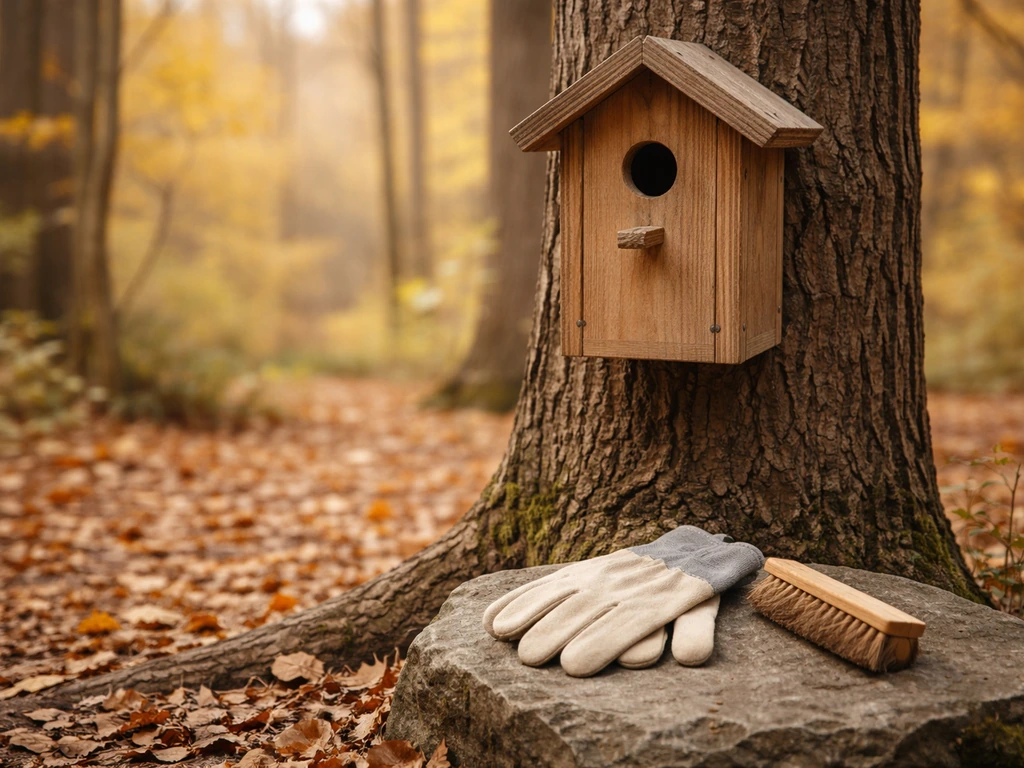
Put your bird houses out by late February to early March if you live in a northern or mid-latitude region. You generally should not take bird houses down in winter if you’ve already mounted and cleaned them, but it helps to keep an eye out for severe weather and pests Put your bird houses out. In winter, when you decide to take down bird houses depends on your region, how clean and sealed they are, and local weather and pest pressure take bird houses down in winter. If you're in the South, you need them up even earlier, ideally by late December or January, because birds like Eastern bluebirds start scouting nest sites before winter is truly over. The universal rule is simple: have the house mounted, cleaned, and positioned before the birds in your area begin looking, not after.
When to Put Out Bird Houses: Best Timing by Season

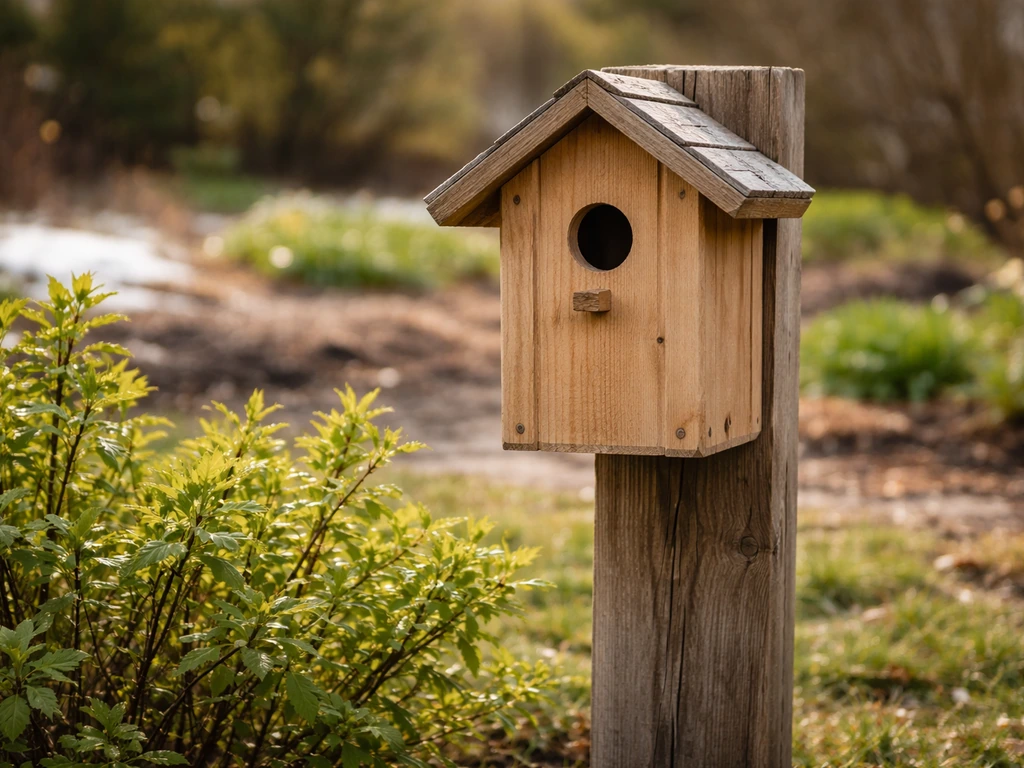
Why timing matters for successful nesting
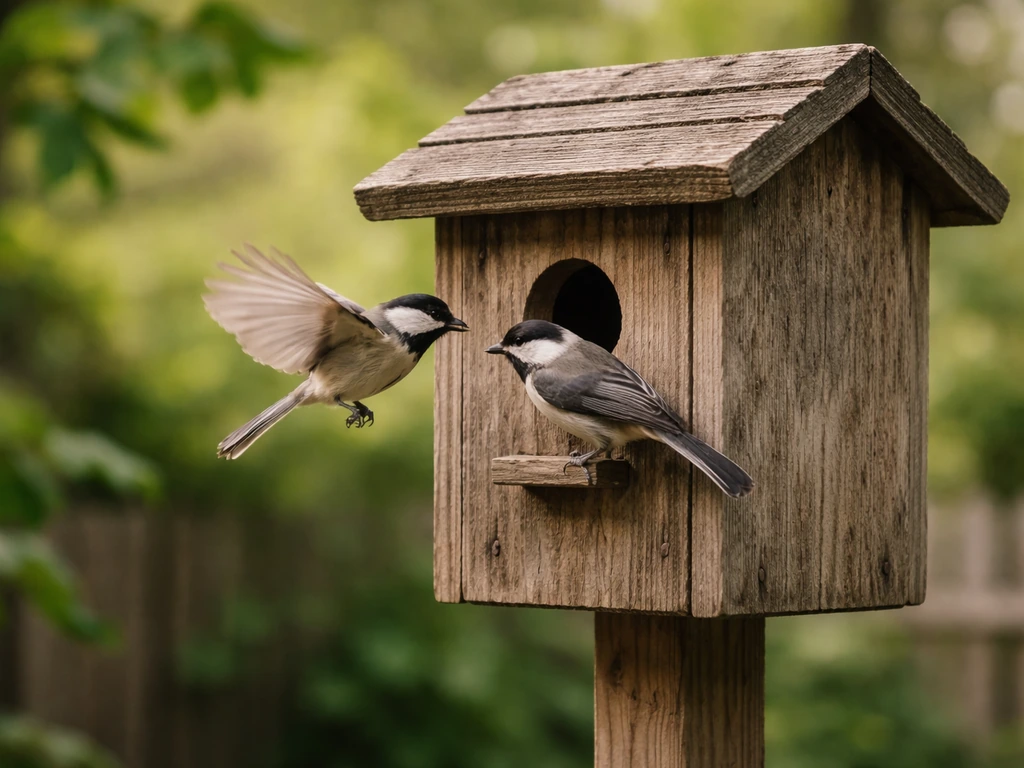
Birds don't wait for you to get around to it. Once a species begins its nesting cycle, the males stake out and defend territory, scout cavities, and sometimes start building before you'd even guess spring had arrived. If your house goes up after that window opens, you'll likely miss the first wave of cavity-nesters entirely, since a bird that has already found a suitable spot won't abandon it to check out your freshly-hung box.
There's also a safety dimension to timing. A house that goes up in a rush the same week birds are actively investigating often hasn't been checked for proper mounting height, entrance hole size, interior moisture, or predator guards. Birds that move into an unsafe or poorly placed box can lose eggs or nestlings to raccoons, snakes, or house sparrows. Getting the house out early gives you time to do the setup right and make any adjustments before a pair commits.
The general seasonal window for spring installation
For most of North America, the sweet spot for putting out bird houses is a four-to-six week window before your local spring nesting season begins. In practical terms, that works out to something like this:
| Region | Recommended install window | Why |
|---|---|---|
| Deep South (zones 8–10) | Late December to mid-January | Bluebirds begin nesting in January; other cavity-nesters follow quickly |
| Mid-South / Transition zones (zones 6–7) | Late January to mid-February | Nesting activity ramps up from February onward |
| Mid-Atlantic / Midwest / Pacific Northwest (zones 5–6) | Mid-February to early March | Most cavity-nesters start prospecting in March |
| Northern US and southern Canada (zones 3–4) | Late February to mid-March | Bluebirds arrive in March; chickadees start box-hunting early |
| Canada (zones 1–2) | Early to mid-March | Later snowmelt pushes nesting later, but birds still scout early |
These windows are starting points, not hard deadlines. Putting a house out in April in the North isn't a total loss because many species, including tree swallows and house wrens, nest later and will still take up residence. But earlier is almost always better.
Adjusting for your region and local climate
Regional averages only get you so far. Your actual microclimate matters more than a USDA hardiness zone number. A good way to calibrate your timing is to watch for two local signals: the first robin singing at dawn and the first time you hear a Carolina wren or chickadee giving its full territorial song. When you start hearing those sounds, the nesting mindset has switched on in your local bird population, and your houses should already be up.
Cornell's NestWatch program is genuinely useful here. It tracks nesting data by species and region, and you can look up when first eggs are typically recorded in your area. Working backward four to six weeks from that date gives you a reliable personal install target that accounts for local elevation, urban heat island effects, and year-to-year weather variation. In a warm early spring like many parts of North America experienced in 2025 and 2026, that window may shift a week or two earlier than historical averages.
- Track local bird song activity in late winter. Territorial singing is your best real-time indicator.
- Check NestWatch historical data for your zip code or county to find the typical first-egg date for your target species.
- After a mild winter, subtract one to two weeks from your usual install date.
- After a prolonged cold snap or late snowpack, you can afford to wait slightly, but don't delay past mid-March anywhere south of the Canadian border.
Early vs. late nesters: species-specific timing
Not every backyard bird starts nesting at the same time, so knowing which species you're targeting shapes exactly when you need to act. Here's how the main cavity-nesting species break down:
| Species | Nesting start (northern US) | Nesting start (southern US) | House install deadline |
|---|---|---|---|
| Eastern bluebird | Early to mid-March | January (sometimes late December) | By mid-January in South; by late February in North |
| Black-capped / Carolina chickadee | Mid-March to early April | Late February to March | By late February in most regions |
| Tree swallow | Late April to May | April | By early April everywhere |
| House wren | May | April to May | By mid-April is fine; they're flexible |
| Purple martin | Late March (scouts) | February (scouts) | Martin houses must be open by early February in the Gulf South |
| Wood duck | February to March | January to February | Box must be in place by January in the South, February in the North |
Bluebirds are the species that most often catch people off guard. Audubon specifically notes that bluebirds can begin nesting as early as January in southern states and typically start in March across the northern US and southern Canada. Aim for about 300 feet of spacing between multiple bluebird nest boxes to help prevent territorial disputes, as Audubon advises Audubon specifically notes that bluebirds can begin nesting as early as January in southern states. That means if you're hoping to attract bluebirds in Georgia or Texas, a box you hang in March is already late. For wrens and swallows, you have more runway, but there's no downside to having the house ready early.
Make sure the house is actually ready before birds arrive
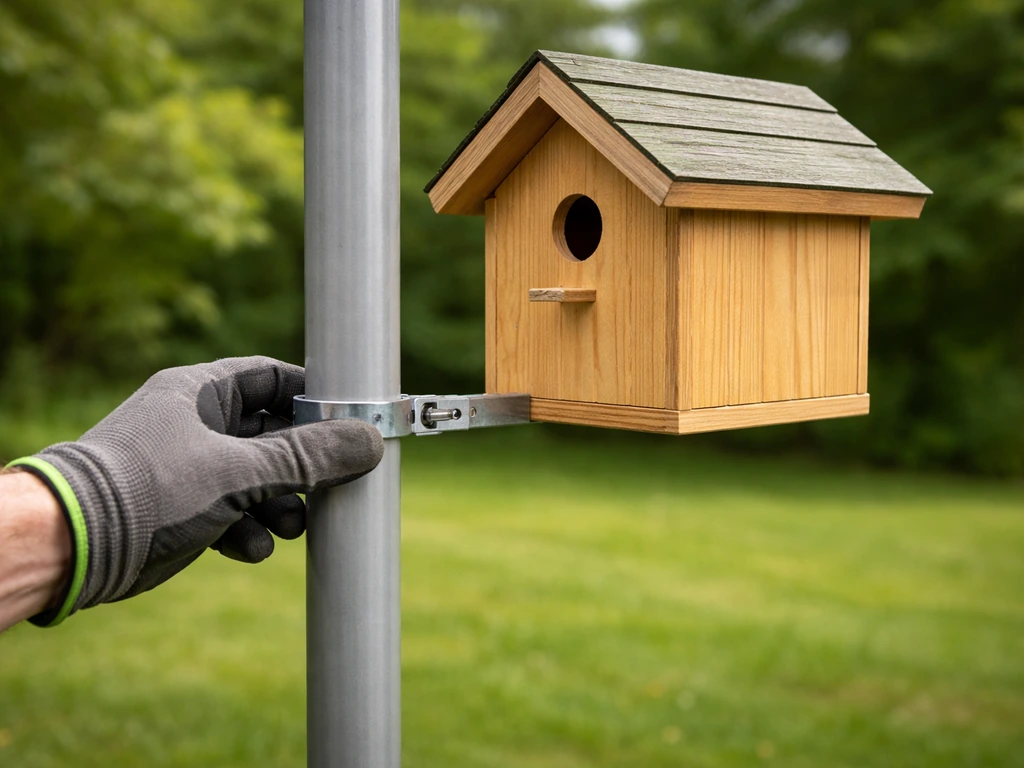
Hanging the box is only half the job. Before any bird starts investigating, run through this quick checklist to make sure the setup is safe and positioned correctly.
Placement and mounting
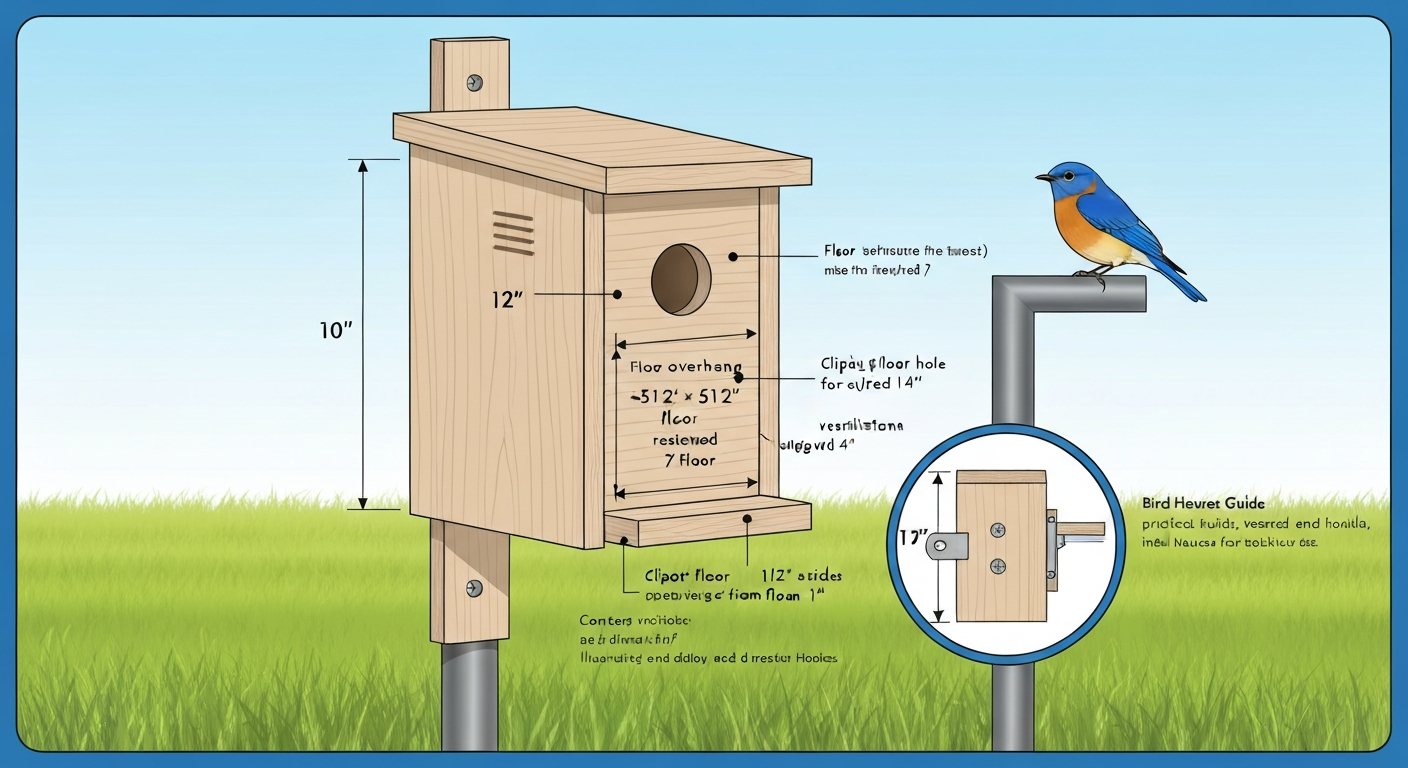
- Mount the house on a smooth metal pole (not a tree or wood post) at 5 to 6 feet off the ground for bluebirds, chickadees, and wrens. Wood ducks need boxes 4 to 6 feet above the waterline on a post over or adjacent to water.
- Face the entrance hole away from prevailing wind and afternoon sun. In most of North America, that means facing east or southeast.
- Add a baffle below the box. A 6-inch-diameter stovepipe or cone baffle positioned 3 to 4 feet above ground stops raccoons and snakes from reaching the box.
- Keep the box at least 300 feet from other bluebird boxes to prevent territorial conflict. Pairing two boxes 15 to 25 feet apart allows bluebirds and tree swallows to coexist.
- Check that the interior is dry, the drainage holes in the floor are open, and there's no old nesting material from the previous season inside.
Entrance hole check
The entrance hole size is non-negotiable. Mounting nest boxes on poles, when feasible, can help improve predator guards, which supports safer nesting before birds arrive. A 1.5-inch hole fits bluebirds and tree swallows and excludes starlings. Chickadees and nuthatches need 1.125 to 1.25 inches. House wrens use 1 to 1.125 inches. A hole that's even slightly too large invites house sparrows and European starlings, which will evict or kill native species. If you're unsure whether last year's hole has warped or been enlarged by woodpeckers, measure it before the season starts and replace the front panel if needed.
What to do right after you put the house out
Once the house is up, your job shifts to monitoring, not waiting. The first two to three weeks after installation are worth paying attention to, especially if you're targeting bluebirds or are new to a site. Here's a realistic maintenance schedule for the nesting season:
- Week 1 to 2 after install: Check that the box hasn't shifted, that no water is pooling inside after rain, and that the baffle is still secure.
- Once a week during active nesting: Do a quick visual check from a distance to watch for adult activity. Frequent visits to the box itself can stress birds during egg-laying and early incubation.
- If house sparrows appear: Remove any sparrow nest material immediately and consistently. House sparrows are not protected by the Migratory Bird Treaty Act, so nest removal is legal and strongly recommended.
- After each brood fledges: Open the box, remove the old nest completely, and let it air out for a day or two. This is also the right moment to assess whether a second brood is likely, which connects directly to decisions about when to clean out bird houses between cycles.
- End of season (typically September to October): Do a full clean, inspect for damage, and decide whether to leave the box up for winter roosting or take it down. That's a separate decision worth thinking through carefully.
One last thing worth knowing: putting the house out early and keeping it clean between broods dramatically increases the chance of multiple successful nesting attempts in a single season. To figure out when to clean out bird houses, check the nesting cycle and remove old nesting material only after the brood has finished and the birds have moved on. Bluebirds commonly raise two to three broods per year when conditions are right. The work you put in during setup and between broods pays off compounded, which is the best argument for getting the box up well before you think you need to.
FAQ
If I already put up a bird house in late winter, should I adjust it before spring birds start checking it out?
Yes, do a final “pre-season” check a week or two before you expect birds to begin investigating. Reconfirm mounting height, tightness of predator guards, and that the entrance hole is not distorted from cold-season swelling or past damage. If anything is off, replace the front panel early so birds do not choose an unsafe cavity.
What should I do if I hear territorial calls but I am not sure whether my area’s birds are nest-ready yet?
Use confirmation signals. If you are hearing the full territorial song from your target species for several days and you see birds hovering or peering into likely cavities, treat that as your install deadline. Avoid waiting for “perfect weather,” because cavity-nesters often begin inspection immediately once they commit to the area.
Can I put bird houses out later than the recommended window and still attract nesting birds?
Sometimes, but your odds drop. Species like tree swallows and house wrens often nest later, so April installs in northern areas can still work. However, bluebirds and other early starters may have already selected a cavity, so “later” mainly reduces the chance of becoming their first-choice site.
Should I leave bird houses up year-round in all climates?
Not always. In cold regions, leaving a house up can be fine if it is properly mounted and cleaned, but you should still remove it before extreme storms or if you notice repeated pest problems. In areas with heavy house sparrow or starling pressure, consider reassessing house placement and cleaning schedule rather than assuming year-round use is automatically beneficial.
How do I prevent pests like house sparrows or starlings if my timing was a bit late?
Act quickly once birds start investigating. Confirm the entrance hole diameter, remove any gaps that allow access into the cavity, and make sure the house cannot be easily opened from the outside. If you see aggressive non-native species targeting the box early, focus on correcting design issues immediately rather than waiting for the next season.
Do I need to clean the bird house before putting it out, even if it is new?
Yes, for new or recently unused houses, do a quick interior clean to remove dust, wood shavings, and any residue from construction. Wipe out loose debris and inspect the entrance area for splinters or enlarged holes. This is especially important before birds begin scouting, since early inspection can lead to a quick commitment.
When multiple broods are possible, how should I time clean-out between them?
Remove nesting material only after the brood is finished and adults have moved on, do not do “routine” clean-outs every time you check. If you are unsure whether a brood has ended, wait for clear signs such as sustained absence by adults rather than relying on a single day gap. This reduces the chance of disrupting a re-used nest.
What are common mistakes people make with timing and installation height?
Two big ones are hanging too late and skipping a precise height check. Timing delays make you miss the first cavity seekers, while wrong height can increase predation risk and reduce acceptance. Even if the date is right, verify height, predator guards, and entrance hole size before the first birds arrive at the site.
How can I tailor timing to the specific species I want, beyond general seasonal windows?
Start with the earliest likely nesting species in your backyard and work backward from local first-egg records or your local field-signals. If targeting early nesters like bluebirds, plan an earlier install and extra readiness (mounting, hole sizing, and predator protection) because they can begin scouting well before other cavity nesters.
What if severe weather hits right after I install bird houses?
After a storm, inspect for immediate hazards rather than waiting for the next routine check. Look for loose mounts, shifting predator guards, warped entrance panels, water intrusion inside, and any damage that may enlarge the hole. If the interior looks wet or the structure moved, correct it right away so you are not presenting a risk to the first occupants.