If you're standing in a garden center or scrolling through options online, trying to figure out whether you need a bird house or a bird feeder, here's the short answer: start with a feeder if you want to see birds right now, and add a bird house if you want birds to actually raise young in your yard. They do completely different jobs, and knowing which one fits your goal will save you time, money, and a lot of frustration.
Bird House vs Bird Feeder: Differences and What to Install
Maya Thompson
22 Mar 2026
What a bird house does vs what a bird feeder does
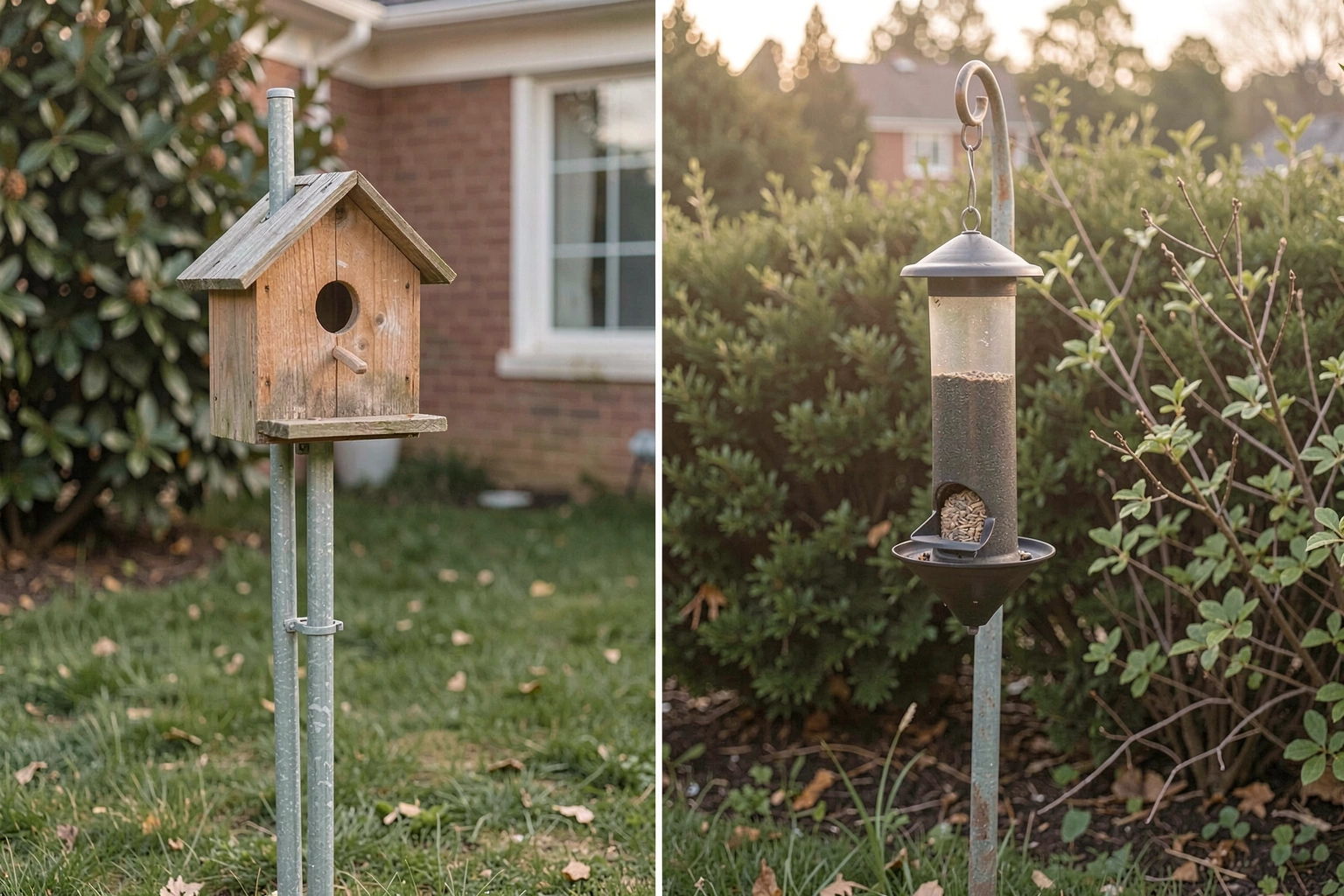
A bird feeder is simply a device placed outdoors to supply bird food. That's it. Its job is to give birds a reliable, accessible food source that draws them into your yard repeatedly. A feeder doesn't provide shelter, nesting space, or anywhere for a bird to raise young. It's a diner, not a home.
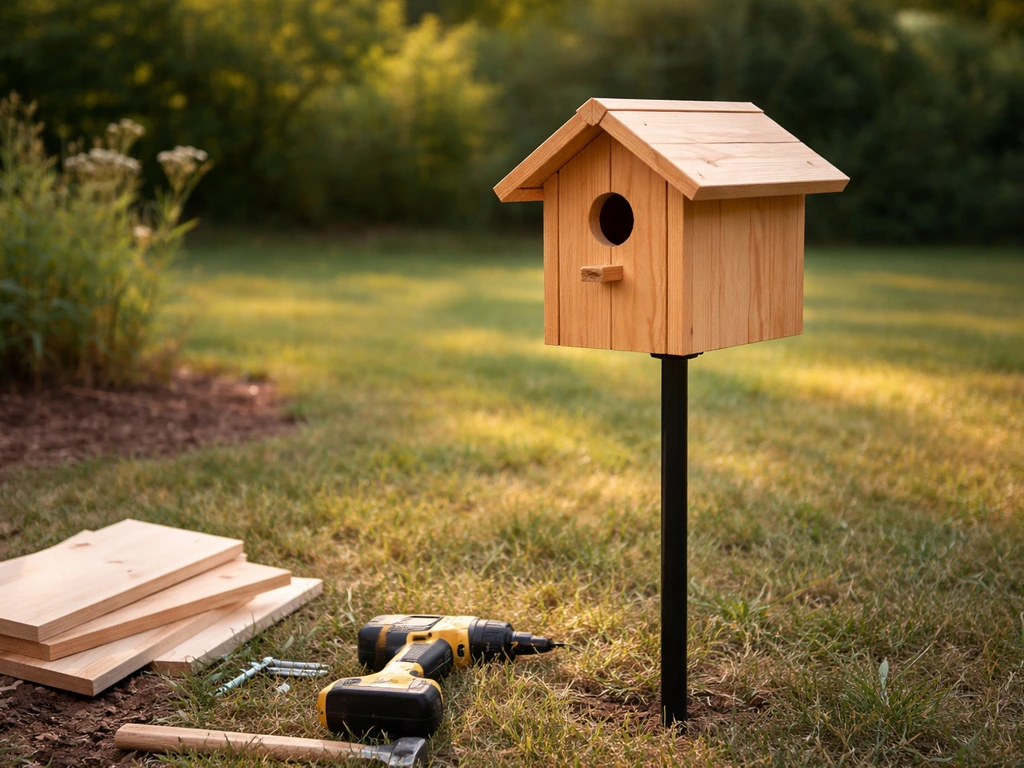
A bird house (also called a nest box or nesting box) is a structure designed specifically to give birds a place to raise their young. It mimics the kind of natural tree cavities that many bird species depend on, which have become scarce in developed areas. A well-built nest box with proper drainage holes, ventilation gaps, and a baffle-protected mounting pole can meaningfully improve nesting success for cavity-nesting species like bluebirds, wrens, and chickadees.
It's worth noting that some structures, like bat houses, overlap in concept but serve an entirely different group of animals. That's a separate topic, but it's a good reminder that 'nest box' doesn't automatically mean 'bird box.'
Key differences: purpose, what birds look for, and outcomes
Birds approach a feeder and a nest box with completely different instincts. At a feeder, a bird is foraging. It's looking for easy, safe access to food and a quick escape route if a hawk shows up. At a nest box, a bird is evaluating a potential home for its eggs and chicks. It scrutinizes the entrance hole size, interior dimensions, ventilation, moisture, and nearby threats far more carefully than it ever would a food source.
| Feature | Bird Feeder | Bird House (Nest Box) |
|---|---|---|
| Primary purpose | Provide food | Provide nesting shelter |
| Bird behavior triggered | Foraging/feeding | Nesting/breeding |
| Results you'll see | Birds visiting to eat, often same day | Birds occupying box, raising young over weeks |
| Time to first bird activity | Hours to days | Days to weeks (or one full season) |
| Ongoing maintenance | Clean every 2 weeks, refill food | Monitor for pests, clean out after each brood |
| Species attracted | Wide variety depending on food type | Specific cavity-nesting species only |
| Season of peak use | Year-round (especially winter) | Spring and summer breeding season |
How to choose based on your goal
The deciding factor is almost always your goal. Think through what you actually want to get out of this.
If you want to attract birds and watch them regularly
Get a feeder first. Feeders work fast, they attract a wide variety of species, and they're active year-round, especially in winter when natural food is scarce. You can pull in cardinals, finches, nuthatches, chickadees, and woodpeckers within the first day or two by offering the right food. This is the fastest path to bird activity in your yard.
If you want birds to nest in your yard
Get a nest box. If you are aiming to attract local nesters around Cape May, a bird house designed for cavity-nesting species can help you get better results nest box. But go in with realistic expectations: not every box gets used the first season, especially if you're new to it. You need to match the box design to the species in your area, install it before breeding season (late winter to early spring is ideal), and make sure the habitat around it suits the bird you're targeting. Bluebirds, for instance, prefer open areas like fields and meadows, not dense woodland backyards.
If you want both
Start with the feeder, let birds get comfortable in your yard, then add a nest box the following spring. Having established feeder traffic doesn't automatically translate to nest box use, but it does mean birds already see your yard as a safe habitat, which helps.
Placement and setup tips for both
Where and how to place a bird feeder
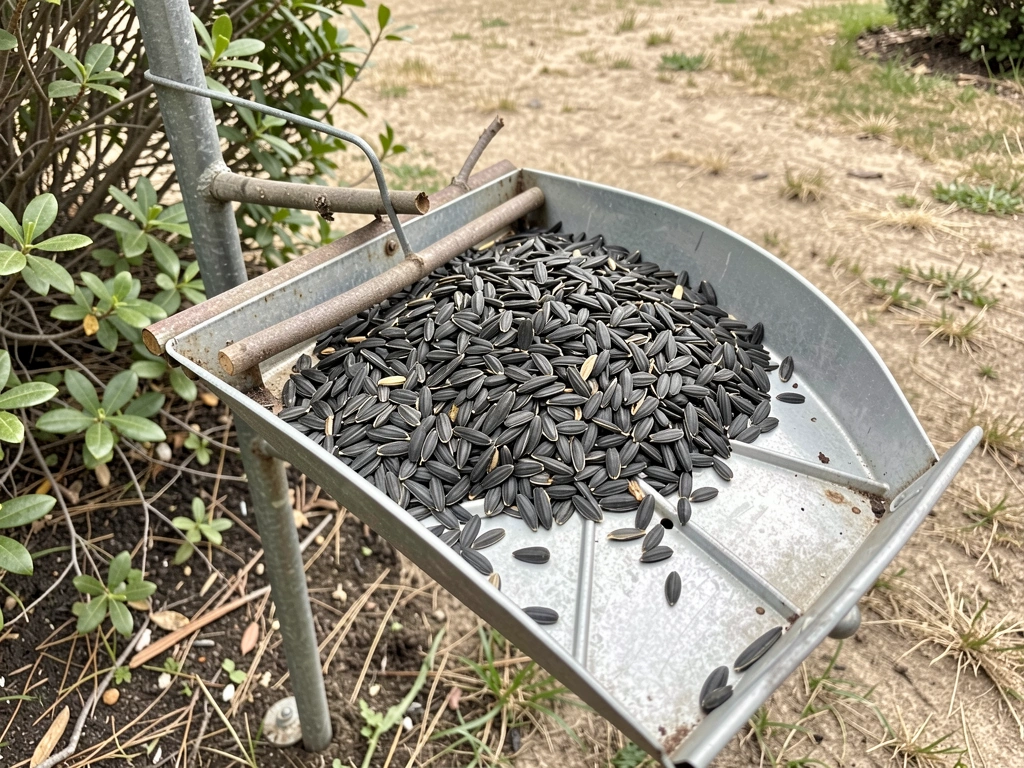
Placement is the difference between a feeder birds love and one they ignore. The most critical rule is the window strike rule: place your feeder either within 3 feet of a window or more than 30 feet away. Inside 3 feet, birds can't build up enough speed to injure themselves if they fly toward the glass. Beyond 30 feet, they're far enough away to navigate safely. The danger zone is anywhere between 3 and 30 feet.
Beyond windows, position your feeder near shrubs or trees that give birds a perch to land on before approaching and a quick escape from predators like hawks. But don't put it so close to dense cover that cats can ambush birds from hiding. A few feet of open ground around the feeder is good. Project FeederWatch specifically recommends providing nearby cover so birds can hide from hawks, which is worth taking seriously.
Where and how to place a nest box
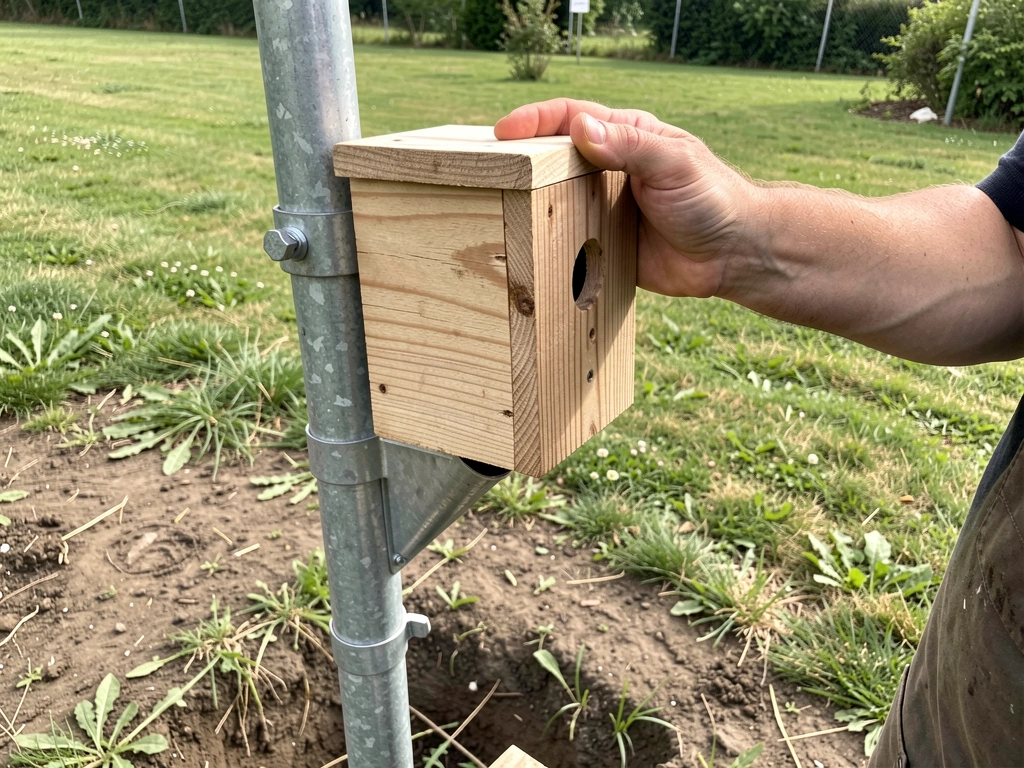
Nest box placement is species-specific. Eastern bluebird boxes, for example, should be mounted 3 to 6 feet above the ground, with a minimum spacing of about 300 feet between boxes. Carolina wrens prefer a similar height range of 3 to 6 feet. Mount boxes on a dedicated metal pole rather than a tree or fence post. The reason is simple: you can't attach an effective predator baffle to a tree or fence, and without one, raccoons, snakes, and squirrels will raid the nest.
Face the entrance hole away from prevailing winds and direct afternoon sun. In most of North America, that means facing the hole generally east or northeast. Avoid placing boxes in locations with heavy foot traffic or areas where the box will be disturbed regularly during nesting season.
One thing the Tennessee Wildlife Resources Agency flags specifically: don't mount boxes on trees or fence posts where you can't add a predator guard. Even well-intentioned boxes become traps for nesting birds if predators can reach them easily.
Design and features that actually matter
Bird feeder design
The type of feeder you choose determines which birds show up. Tube feeders with small ports work well for finches and chickadees using nyjer or sunflower chips. Platform feeders attract ground-feeding species like doves, juncos, and sparrows. Suet cages bring in woodpeckers and nuthatches. If you want the most variety with the least effort, a hopper feeder filled with black-oil sunflower seed is the best starting point for most backyards in North America.
Material-wise, look for feeders with drainage holes in the seed tray so wet seed doesn't sit and mold. Metal or recycled plastic feeders tend to outlast wood and are easier to clean thoroughly.
Nest box design
The entrance hole is the most important dimension on any nest box. For eastern bluebirds, the entrance should be no larger than 1.5 inches in diameter. Mountain and western bluebirds need 1 9/16 inches. Carolina wrens use a 1.5-inch round hole or a slot approximately 2.5 by 5 inches. Getting the size right keeps out unwanted species, particularly European starlings, which can't fit through a 1.5-inch hole. Metal guards around the entrance hole are worth adding, since squirrels will gnaw at wood to enlarge the opening.
Beyond the entrance, a quality nest box needs drainage holes in the floor to prevent water pooling, ventilation holes or gaps near the top to regulate interior temperature, and a sloping roof to shed rain. A recessed floor (where the bottom sits up inside the walls slightly) also helps keep the interior dry. These aren't optional extras; they directly affect whether eggs survive and chicks fledge successfully.
If you enjoy building things yourself, constructing a nest box from scratch is very achievable and lets you dial in exact dimensions for your target species. There's more guidance available specifically on how to build bird houses if that route interests you.
Pros, cons, and common mistakes
Bird feeder pros and cons
- Pro: Attracts birds quickly, often within hours of setup
- Pro: Works year-round and serves a wide variety of species
- Pro: Easy to observe bird behavior up close
- Con: Requires cleaning every two weeks with a dilute bleach solution (1 part bleach to 9 parts water) to prevent disease spread
- Con: Seed hulls and waste under the feeder attract rodents if not swept up regularly
- Con: Can spread diseases like house finch eye disease and salmonellosis if feeders aren't kept clean
- Con: Feeders placed in the wrong spot become a window strike hazard
Bird house (nest box) pros and cons
- Pro: Directly supports bird reproduction, which helps local populations
- Pro: Deeply rewarding to watch a full nesting cycle from egg to fledgling
- Pro: Low ongoing cost once installed correctly
- Con: Takes longer to see results, sometimes a full season before occupancy
- Con: Invasive species like European starlings and house sparrows actively compete with native cavity nesters and can cause nesting failures
- Con: Without a predator baffle, raccoons and snakes will raid nests
- Con: Boxes must be cleaned out after each brood to prevent parasite buildup for the next nesting attempt
Common mistakes to avoid
- Skipping feeder cleaning: Every two weeks is the minimum. In hot, humid weather, clean more often. Let the feeder dry completely before refilling.
- Mounting a nest box on a tree or fence post: You can't baffle it properly, so predators will find it.
- Using the wrong entrance hole size: Too large, and starlings move in. Too small, and the target species won't fit.
- Ignoring seed waste under feeders: Old, moldy seed on the ground attracts rats and mice and spreads disease.
- Installing a nest box too late in the season: Aim to have boxes up by late February or early March before birds begin scouting nesting sites.
- Placing a feeder in the 3-to-30-foot danger zone relative to windows: This is where most window strike deaths happen.
- Expecting every species to use the same feeder or box: Different birds need different food types, feeder styles, box dimensions, and habitat conditions.
Quick decision checklist and what to do first today
Work through this checklist to figure out exactly where to start:
- What do you want most? Birds to watch and feed (go feeder first) or birds nesting in your yard (go nest box first, but expect to wait at least one season).
- What habitat do you have? Open lawn or meadow areas favor bluebird nest boxes. Wooded or shrubby areas suit feeders and wren boxes better.
- What species are already in your area? Check with a local birding group or use a birding app to confirm which cavity nesters live nearby before buying a box.
- Do you have a window strike risk? Measure the distance from your planned feeder location to the nearest window. Under 3 feet or over 30 feet is safe.
- Can you commit to cleaning? Feeders need cleaning every two weeks minimum. If that's not realistic right now, hold off until you can commit, because a dirty feeder does more harm than no feeder.
- Do you have a safe mounting spot for a nest box? You need an open pole where you can install a predator baffle. If not, get the pole before the box.
- Is it breeding season already? If it's late spring or summer, set up a feeder now and plan your nest box installation for late winter next year.
If you answered yes to watching birds quickly and can commit to cleaning, go buy a hopper feeder and a bag of black-oil sunflower seed today. Mount it within 3 feet of a window or more than 30 feet away, near shrubs but with open ground underneath, and you'll have birds visiting within 24 to 48 hours in most regions.
If nesting is your goal, spend the next few days researching which cavity-nesting species live in your area, order or build a box with the correct entrance hole dimensions for that species, pick up a metal mounting pole and a conical predator baffle, and get it installed before the end of February if you're in the northern hemisphere. Then monitor it every week or two, keep records of what moves in, and be ready to intervene if house sparrows try to take over the box.
You don't have to choose permanently between the two. Most backyard birders end up with both a feeder station and at least one or two nest boxes over time. But starting with a clear goal and the right setup for that goal is what separates a yard full of birds from a yard full of unused equipment.
FAQ
Can I put a bird feeder and a nest box in the same yard without them competing for attention?
Yes, but separate their placement. Feeders are used for foraging and can attract larger birds and predators, while nest boxes need a calmer, safer setup. A practical approach is to place the nest box away from the feeder line of sight, and use a proper predator baffle on the nest box mount so feeder activity does not increase raids.
How do I reduce the chance of predators when using a bird feeder?
Use the feeder placement rules, plus physical support. Keep it off the ground and install a baffle or squirrel-proofing on the feeder pole, because many losses come from squirrels or cats. If you notice repeated predator visits, shift the feeder closer to natural cover for quick escape for small birds, but avoid dense cover where cats can ambush.
What’s the biggest mistake people make with nest boxes when trying European starlings and house sparrows?
Using the wrong entrance size or placement that allows aggressive competitors to reach the box easily. Even if you have drainage and ventilation correct, a slightly oversized or poorly protected opening can invite starlings. Also, check frequently early in the season, because those species may move in before your target cavity-nesters arrive.
How often should I clean a bird feeder versus a nest box?
Feeders usually need more frequent attention because spilled seed and wet trays promote mold. Clean and refresh on a regular schedule, especially in rainy periods. Nest boxes should be checked after the nesting season, and any time you see failed or contaminated nests, but avoid disturbing active nests during the breeding window.
Do I need to provide nesting material if I install a bird house?
Not for most cavity-nesting species. Most nest box users bring their own nesting fibers or select material naturally. If you add nesting material, use only clean, natural items and avoid anything treated or dusty, because poor materials can increase chick stress or nest contamination.
My feeder attracts birds but the nest box stays empty, what should I check first?
Start with species match and habitat fit. The fastest fixes are (1) confirm the entrance hole and box dimensions match your local target species, (2) mount at the correct height, and (3) ensure the surrounding habitat matches their preferences, like open areas for bluebirds. If all dimensions are correct, it can still take more than one season for birds to accept a new box.
Can I mount a nest box on a tree or fence if I’m able to add a guard later?
It’s better to avoid mounting where a predator baffle cannot be installed properly from day one. The article’s key risk is that without an effective guard, common nest predators can reach and raid the box. If you cannot fit a baffle to that exact mounting surface, choose a dedicated metal pole.
What type of feeder should I choose if I want mostly songbirds rather than mostly aggressive visitors?
Pick the feeder style and seed format that fits smaller, common species. In many backyards, a hopper feeder with black-oil sunflower seed pulls in a broad mix, while tube feeders with small ports are better for finches and similar birds. If you see bullying or dominance issues, reduce seed types that attract mainly large competitors and keep feeding consistent.
Are drainage holes and ventilation in a nest box really necessary, or is it mostly about the entrance hole?
They are essential, not optional. Drainage holes prevent pooling water, ventilation helps manage temperature, and a sloping roof plus a slightly recessed floor keeps interiors dry. Even with a perfect entrance size, neglecting moisture control can reduce egg survival and chick fledging.
When should I install a nest box relative to local breeding times?
Install before nesting begins, which is typically late winter to early spring in much of the northern hemisphere. If you put it out after birds have already established territories, you may miss the window when the box is first evaluated. For best results, check local timing in your region and install accordingly.
Next Article
Bird House Instructions: Beginner Step by Step Guide
Beginner bird house instructions: choose design, cut and assemble, add entrance/vent/drain, install safely, maintain and