There is no single correct bird house size. The right dimensions depend entirely on which species you want to attract. A Carolina chickadee needs a 4×4-inch floor and a 1 1/8-inch entrance hole. An eastern bluebird needs a 4×5-inch floor and a 1 1/2-inch hole. Get those measurements wrong and the bird either can't get in, gets predated, or simply moves on. The good news: once you know your target species, the measurements are completely straightforward. Once you have the right size and entrance measurements, you can also estimate how much a bird house costs based on the materials and hardware you choose once you know your target species, the measurements are completely straightforward..
How Big Should a Bird House Be? Species Size Guide
Maya Thompson
18 May 2026
Why bird house size isn't one-size-fits-all
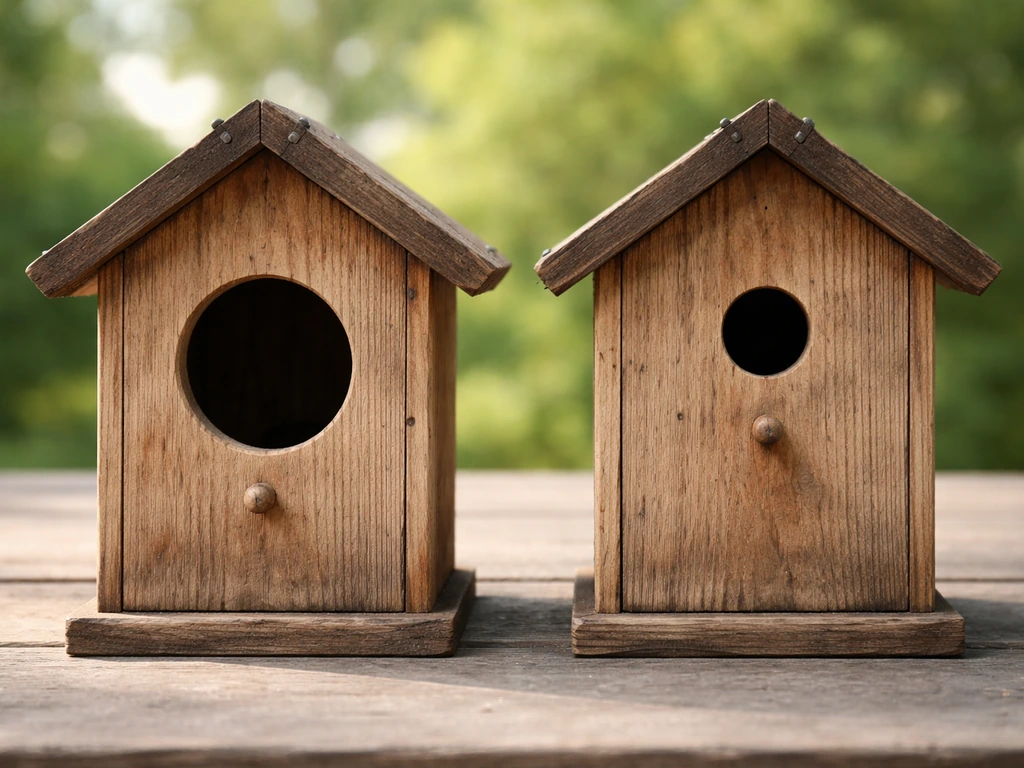
Every cavity-nesting bird evolved to fit a very specific hole. In nature, that's a woodpecker hole or a rotted knot in a tree. The entrance diameter, the depth of the cavity below it, and the floor area all work together to give the bird a secure, temperature-stable space that keeps predators out and nestlings safe. A house wren can slip through a 1-inch hole. A wood duck needs a 4×3-inch oval. If you build a generic "medium" box and hope for the best, you're mostly going to attract house sparrows or starlings, which are invasive species that outcompete native birds.
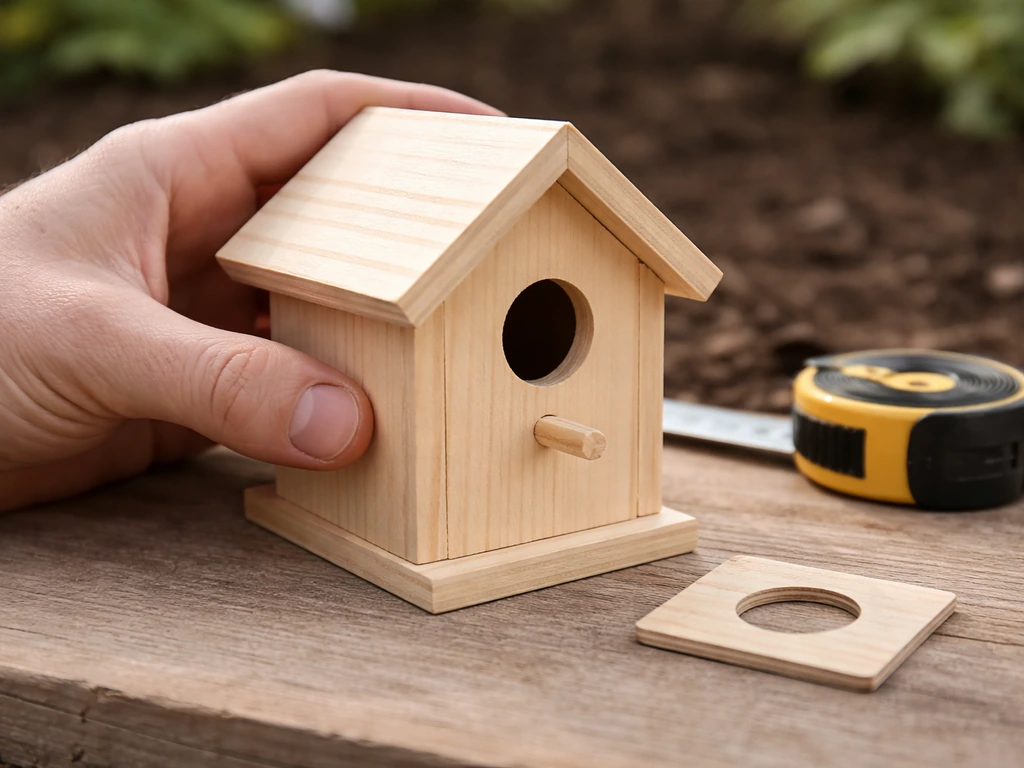
The entrance hole is especially critical. Too large and a predator or competing species can get in. Too small and your target bird is locked out. Even 1/8 of an inch matters: a 1 1/8-inch hole is right for a chickadee but will exclude an eastern bluebird. Getting the floor size and cavity depth right also matters for incubation temperature and how well nestlings can climb out when it's time to fledge.
Key measurements: internal size, entrance hole, and height
Every bird house has three measurements that actually determine success: the interior floor area, the interior cavity depth (floor to ceiling), and the entrance hole diameter. A fourth number, the distance from the floor to the bottom of the entrance hole, controls how safe and sheltered the nest cup is. Here's how to think about each one.
- Interior floor area: this is the usable nesting space. Most small songbirds need 4×4 inches minimum. Bluebirds and tree swallows want 4×5 up to 5×5. Measure the inside dimensions, not the outside.
- Interior cavity depth: measured from the floor to the underside of the roof. Deeper cavities give nestlings more protection. Chickadees and wrens do well in 6–10 inches of depth; bluebirds prefer around 8 inches.
- Entrance hole diameter: this is the single most important number. It must be precise. Round holes are standard; oval holes are used for wood ducks and kestrels. A good 1/8-inch forstner bit or hole saw makes clean, accurate cuts.
- Entrance height above floor: the distance from the floor to the bottom of the hole. This should be 5–8 inches for most small to medium species. It creates the vertical 'shaft' that keeps predators from reaching in and grabbing eggs or chicks.
- Roof overhang: extends past the front panel to shed rain away from the entrance. Audubon-style bluebird box plans specify a 3 3/4-inch front overhang and 2 3/8-inch side overhangs. Overhang matters more than most beginners realize.
Species-by-species dimensions and hole sizes (common backyard birds)
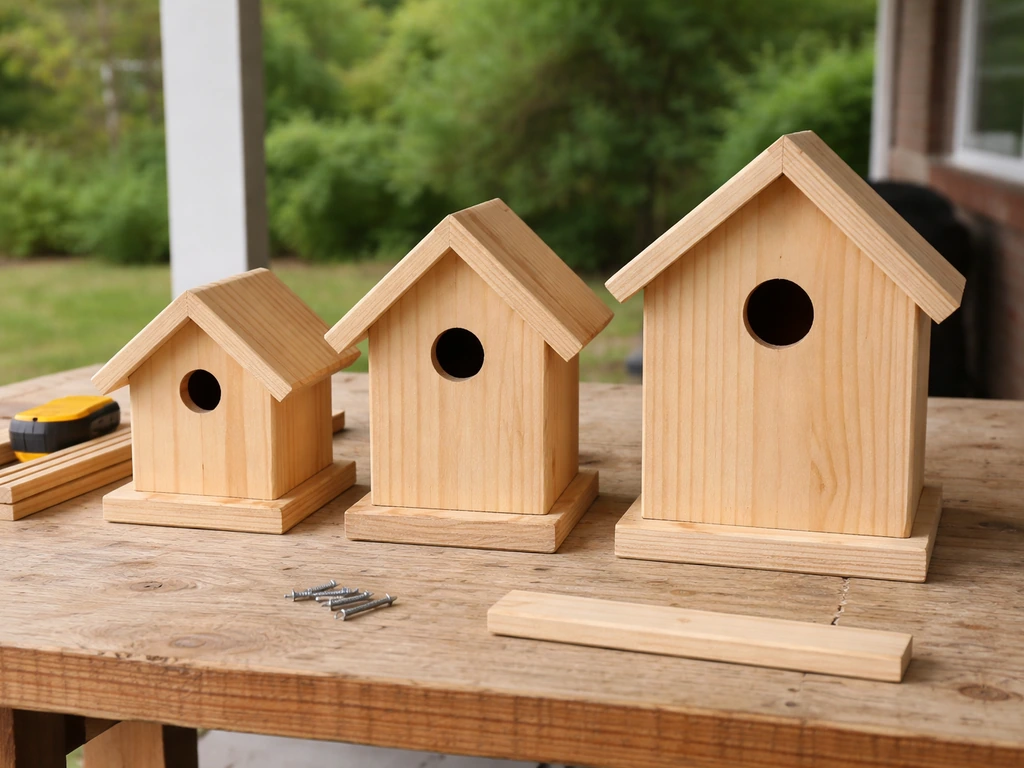
The table below covers the species most backyard builders are likely to target across most of North America. The Hog Island / Audubon nesting box dimensions chart provides blank" rel="noopener noreferrer">Henderson-style interior measurements and entrance-hole specifications for specific species groups. All floor and depth figures are interior measurements. Entrance height is measured from the floor to the bottom edge of the hole. Mounting height is above ground level.
| Species | Interior Floor (in) | Cavity Depth (in) | Entrance Hole Diameter (in) | Entrance Height Above Floor (in) | Mounting Height (ft) |
|---|---|---|---|---|---|
| Carolina Chickadee | 4 × 4 | 8–10 | 1 1/8 | 6–8 | 6–15 |
| Black-capped Chickadee | 4 × 4 | 8–10 | 1 1/8 | 6–8 | 6–15 |
| House Wren | 4 × 4 | 6–8 | 1–1 1/4 | 4–6 | 6–10 |
| Bewick's Wren | 4 × 4 | 6–8 | 1 1/4 | 4–6 | 6–10 |
| White-breasted Nuthatch | 4 × 4 | 8–10 | 1 1/8 | 6–8 | 12–20 |
| Eastern Bluebird | 4 × 5 | 8 | 1 1/2 | 5–6 | 5–10 |
| Western Bluebird | 5 × 5 | 8 | 1 1/2 | 5–6 | 5–10 |
| Mountain Bluebird | 5 × 5 | 8 | 1 5/8 | 5–6 | 5–10 |
| Tree Swallow | 5 × 5 | 8 | 1 1/2 | 6 | 5–10 |
| Prothonotary Warbler | 4 × 4 | 8 | 1 1/8 | 5 7/8 | 4–8 (over water) |
| American Kestrel | 8 × 8 | 12–15 | 3 (round) | 9–12 | 15–30 |
| Eastern Screech-Owl | 8 × 8 | 12–15 | 3 (round) | 9–12 | 10–30 |
| Wood Duck | 10 × 18 | 22–24 | 4 × 3 (oval) | 17–19 | 4–6 (over water) |
A few important notes on the table: mountain and western bluebirds get 1 5/8 inches in some overlap areas. The 1/16-inch difference from the eastern bluebird spec is meaningful, so check your local subspecies. House wrens are unusually flexible and will accept holes anywhere from 1 inch to 1 1/4 inches, which unfortunately also lets in house sparrows at the larger end. If wrens are your target, stay closer to 1 inch. Entrance hole size guidance ties closely to why small holes exist in the first place, and the logic runs through every species on this list.
How to measure external vs internal and account for wall thickness
This is where a lot of beginners go wrong. All the species dimension tables, including the ones above, refer to interior measurements. The external box will be larger once you account for wall thickness. Standard lumber for nest boxes is 3/4-inch-thick wood (nominal 1-inch boards), which is a good balance between insulation, durability, and weight. If you're building a 4×4-inch interior floor with 3/4-inch walls on each side, your exterior floor panel will be 5 1/2 inches square. Your cut list has to account for this.
Here's a simple way to do the math: take the interior floor dimension and add 1 1/2 inches (two wall thicknesses at 3/4 inch each) to get the exterior floor panel size. For side panels, the interior depth plus the roof thickness gives you the panel height. Always mark and measure your entrance hole placement from the interior floor measurement upward, not from the top of the box down, because that's how every dimension table is written.
Thicker walls (up to 1 inch actual thickness) slow heat transfer in hot climates, which can make a real difference during heat events that push interior box temperatures to dangerous levels. In regions where summer highs regularly exceed 95°F, thicker stock or a double-roof design provides meaningful insulation. Thinner walls, like 1/2-inch plywood, save weight but can cook nestlings in full sun. Stick with 3/4-inch minimum.
Placement and mounting height relative to the box size
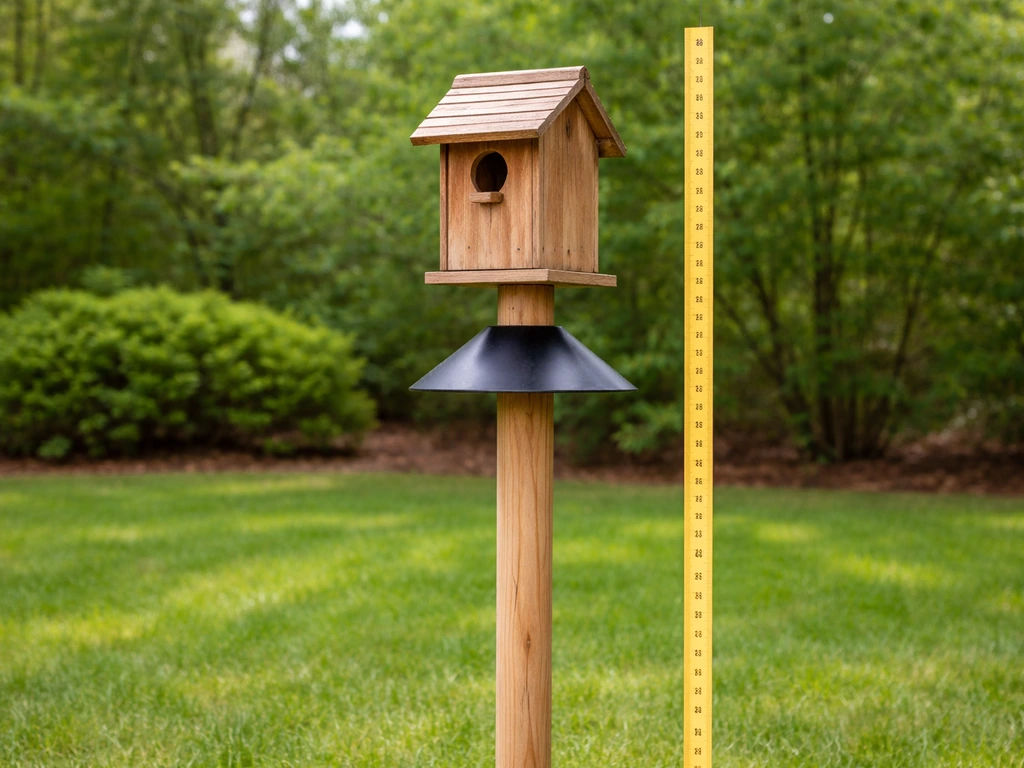
Box size and mounting height are linked. A larger box for a bigger bird typically goes higher, but the real driver is predator protection and habitat preference. Bluebirds and tree swallows want open fields with boxes at 5–10 feet. Woodpeckers and nuthatches prefer boxes at 12–20 feet that mimic natural tree cavities. Owls and kestrels go even higher at 15–30 feet.
Whatever mounting height you choose, the box should go on a smooth round metal pole with a baffle, not on a tree or fence post. Mounting on a tree essentially turns the box into a fast food restaurant for raccoons, cats, and snakes. A stovepipe or cone baffle at least 18 inches in diameter, placed at least 4 feet above the ground, stops most climbing predators. Never place a box where you cannot attach a predator guard, especially for larger species like kestrels where the box itself is a significant investment of time and materials.
The entrance hole should face away from prevailing weather (generally southeast to east in most of North America) and ideally have a clear flight path with no branches or obstacles within a few feet. For bluebird trail boxes, spacing matters too: eastern bluebirds defend territory aggressively, so boxes should generally be at least 100 yards apart.
If you are mounting boxes for the same species, the recommended spacing between bird houses helps limit conflict and supports successful nesting spacing matters too. When spacing multiple bird houses, give each pair enough room so they can defend their territory and still have clear access to the entrance how close can you put bird houses together. Tree swallows can be paired closer together since they are more colonial in nature.
Ventilation, drainage, and safety features that affect dimensions
Ventilation and drainage are not optional upgrades. They are functional dimensions that affect whether the box works at all. Cornell Lab's NestWatch recommends at least four drainage holes in the floor, each 3/8 to 1/2 inch in diameter. Without them, a rain event can flood a nest and kill eggs or nestlings. Drill them in the corners of the floor panel before assembly.
Ventilation holes near the top of the side or back panels, or a gap between the roof and the front or side panels, allow hot air to escape on warm days. Audubon's bluebird box design uses a 1/2-inch gap at the top of the front panel for this purpose. Maryland Bluebirds specify small holes near the top of the sides and back as an alternative. Either approach works as long as the gap or holes are positioned high enough that rain can't easily drive in through them.
The interior wall below the entrance hole should be rough, not sanded smooth. Rough wood, or a series of horizontal kerfs cut with a saw, gives fledglings something to grip as they climb up to exit. This is a functional design detail, not decoration, and it affects how you prep your panels before assembly. Do not paint or seal the interior.
One more dimension that is easy to overlook: the cleanout panel. At least one side or the floor should open or swing out so you can remove old nesting material at the end of the season. Size your hinges or pivot nail to the panel thickness and make sure the latch is secure enough that raccoons cannot pry it open.
How to choose the right size quickly: identify your species first
The fastest path to the right dimensions is a two-step process: figure out which cavity nesters actually live near you, then match the box to that species. As a rule of thumb, start by planning for one properly sized box per target species (and keep extras for different species or replacements) match the box to that species. You don't have to guess.
Spend 20 minutes with a free app like Merlin Bird ID or check eBird's species frequency maps for your county. If eastern bluebirds show up in spring and summer in your area and you have open grassy habitat nearby, build a bluebird box. If you're in a wooded suburb with mature trees, chickadees and nuthatches are more likely candidates.
- Identify the cavity-nesting species present in your area using local bird lists or a birding app.
- Look up the interior floor size, cavity depth, and entrance hole diameter for that species using the table above.
- Decide on your lumber: 3/4-inch-thick cedar, pine, or exterior-grade plywood all work. Avoid treated lumber inside the box.
- Calculate exterior panel sizes by adding 1 1/2 inches to each interior floor dimension for the wall thickness.
- Cut, drill the entrance hole with a forstner bit or hole saw to the exact diameter, add drainage holes in the floor, and add ventilation gaps or holes near the roof.
- Mount on a smooth metal pole with a predator baffle at the species-appropriate height before the start of the local nesting season.
Timing matters. Most small songbirds start scouting nest sites weeks before they lay eggs. In most of the continental US, that means having the box up by late February or early March for bluebirds, and by March or April for chickadees and wrens. In the South, bluebirds can start as early as January. In the North and at altitude, late March to April is more typical. If you miss the first nesting attempt, many species will use a box for a second or third clutch in the same season, so it's never too late in the spring to put one up.
Before you finalize the build, do a quick sanity check: hold the entrance hole template up to a ruler and confirm the diameter, then measure the interior floor with a tape measure after dry-fitting the panels. A 1/8-inch error on a hole saw is easy to make and hard to fix after the fact. Once everything checks out, clean the box out each fall or between clutches within the same season, removing old nesting material to reduce parasites and give the birds a fresh start.
FAQ
What should I do if I am not sure which species will use my bird house, can I build a “medium” size?
If you are between two species sizes, prioritize the entrance hole diameter first, because that is what most directly determines who can enter. Floor area and cavity depth are still important, but if the hole is off even slightly, you can lock the target bird out or allow a competitor in. When in doubt, choose the smaller hole that still matches your target bird’s spec.
How do I avoid an 1/8-inch mistake when cutting the entrance hole and placing it correctly?
A template is more reliable than measuring from the board edge, since drill-press angles and hole-saw drift can create real diameter errors. Dry-fit the entrance area, then verify the hole size with a caliper or by placing the cut template against a ruler. Also check that the hole-to-floor distance is measured from the interior floor upward, not from the top of the box.
Can I scale a bird house up or down if I want a bigger or sturdier box?
Yes, but only if you match the species and keep interior dimensions true. Exterior size can vary depending on wall thickness, roof thickness, and how you build the top (flat roof vs. overhang). If your plan uses interior measurements (most do), do not scale everything up or down without recalculating the exterior panels.
Is it okay to paint or stain the bird house, including the interior?
Do not paint or seal the inside, but you can protect the exterior with a water-based, exterior-rated finish that is fully cured before installation. If you use stain or sealer that still smells strong when the birds arrive, you may discourage occupancy or cause off-gassing. If you must refinish, remove and re-drill any entrance/baffle areas only after curing.
My first nesting season failed, should I change the bird house dimensions the next spring?
For most cavity nesters, you should not enlarge the entrance hole as the seasons progress. If the first nest fails and you later change the hole size, you risk attracting the wrong species or increasing predation access. Instead, if there is a problem, adjust the placement and habitat factors (mounting height, pole with baffle, flight path, spacing), then rebuild only if you confirm the species mismatch.
Which direction should the entrance face, and what if I live somewhere with unusual winds?
Orientation depends on your local weather patterns, in wind-driven rain areas you want the entrance to face away from the strongest prevailing storms. Many regions use southeast to east as a starting point, but the best test is site-specific: choose the side that stays drier during heavy rain and has a clear approach path without branches nearby.
Is mounting on a tree or fence post ever acceptable if I have the correct box size?
Install on a smooth round metal pole with a properly sized baffle, and keep the baffle high enough to block climbing. Many people mount on a tree or fence post, that defeats the predator barrier even if the baffle is otherwise correct. If you cannot install a pole and baffle, it often reduces success more than small dimension tweaks.
My bird house dimensions are correct, but will it still fail without ventilation and drainage?
Ventilation gaps and drainage holes can affect whether the box succeeds even when dimensions are correct. Aim for drainage holes in the floor (typically multiple holes), and place ventilation openings high on the sides or near the top so rain cannot easily drive in. If you skip them or place them low, flooding or overheating can happen during the same season.
How does entrance hole size affect how close I can place multiple bird houses?
Spacing is species-dependent and also depends on how far apart those birds need to defend territory. For aggressive territorial species, too-close placement can reduce nesting even if the boxes are the right size. If you are unsure, treat spacing rules as minimums and add extra clearance for flight paths, especially where branches or obstacles narrow access.
When is the best time to clean and mount bird houses so I do not interrupt nesting?
Install early enough that scouting birds can find the box, but also confirm the box is clean and ready for use. If you clean too late in the season, you can disturb an active clutch. A practical approach is to clean and inspect in fall, and then do only quick checks in spring if you suspect damage, never after eggs or nestlings are present.
Next Articles
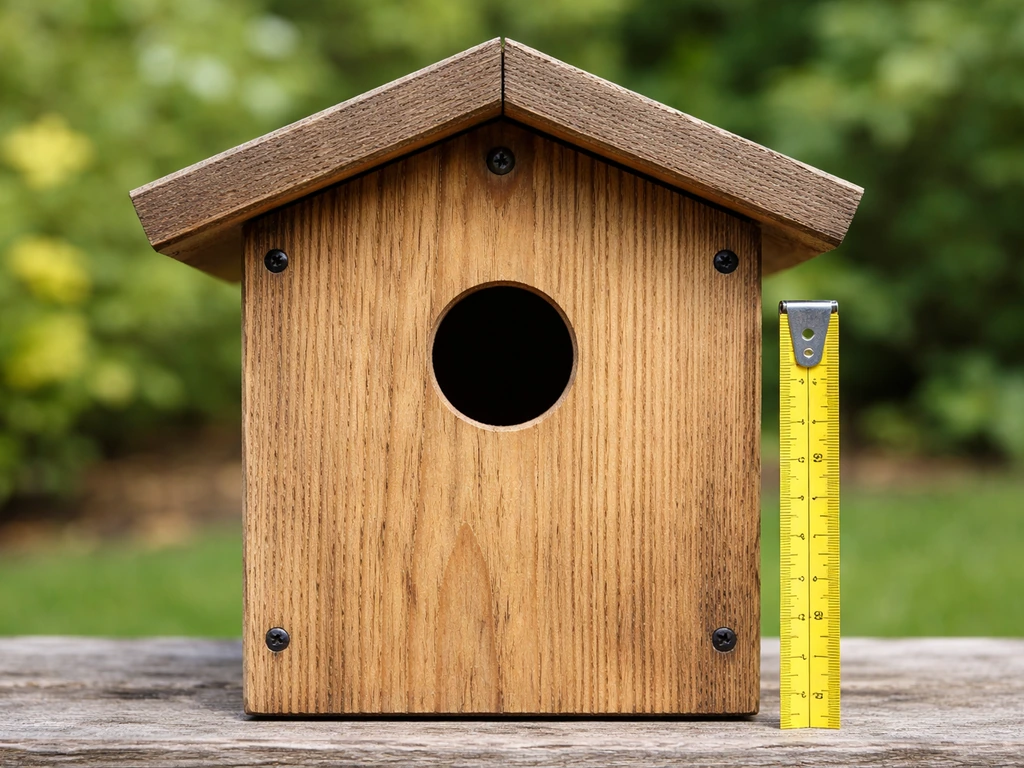
What Size Hole for Bird House? Entrance Sizes by Species
Choose the right birdhouse entrance hole size by species, with UK tips, drilling steps, and predator-proofing for succes
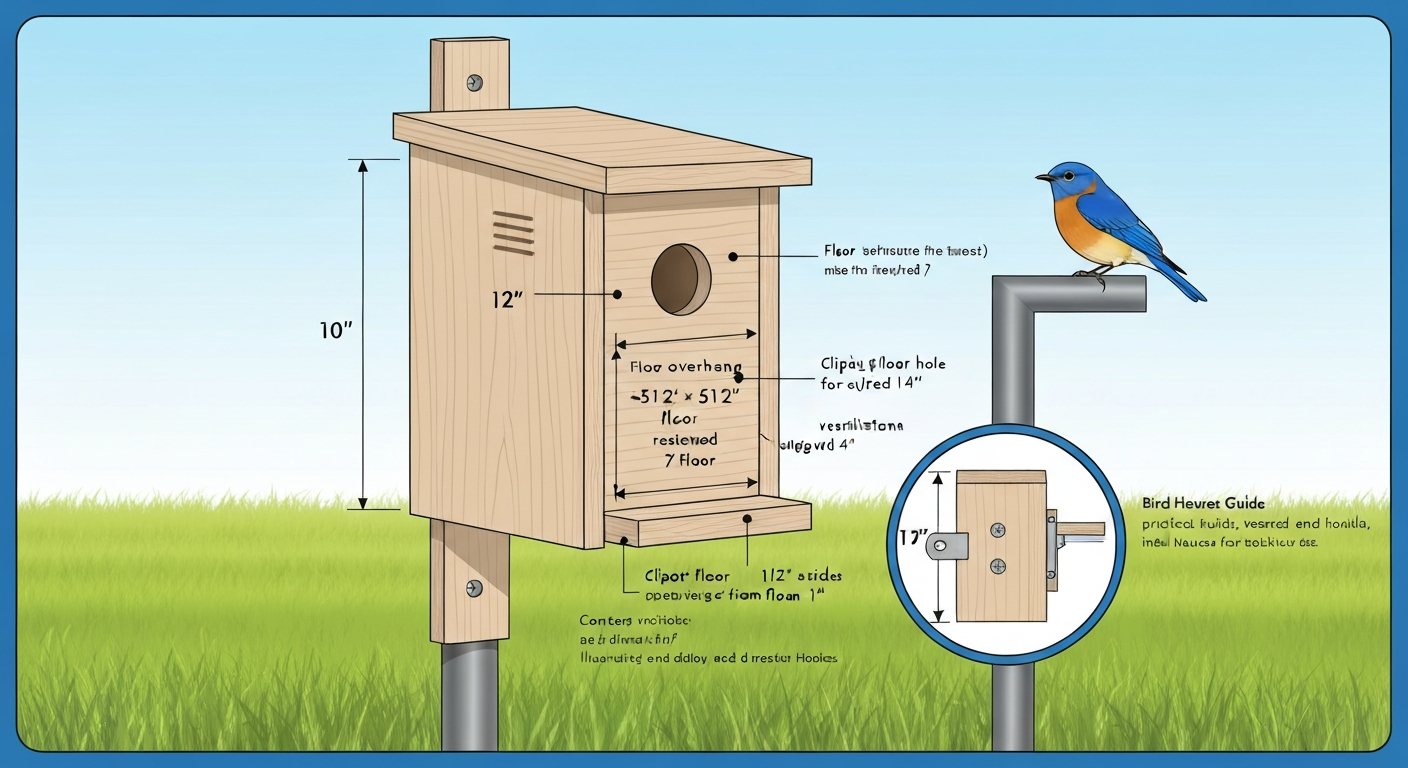
Blue Bird House Instructions: DIY Plans, Sizes & Mounting
DIY bluebird house: step-by-step build, exact cuts and hole sizes, mounting, predator guards, cleaning, and care.
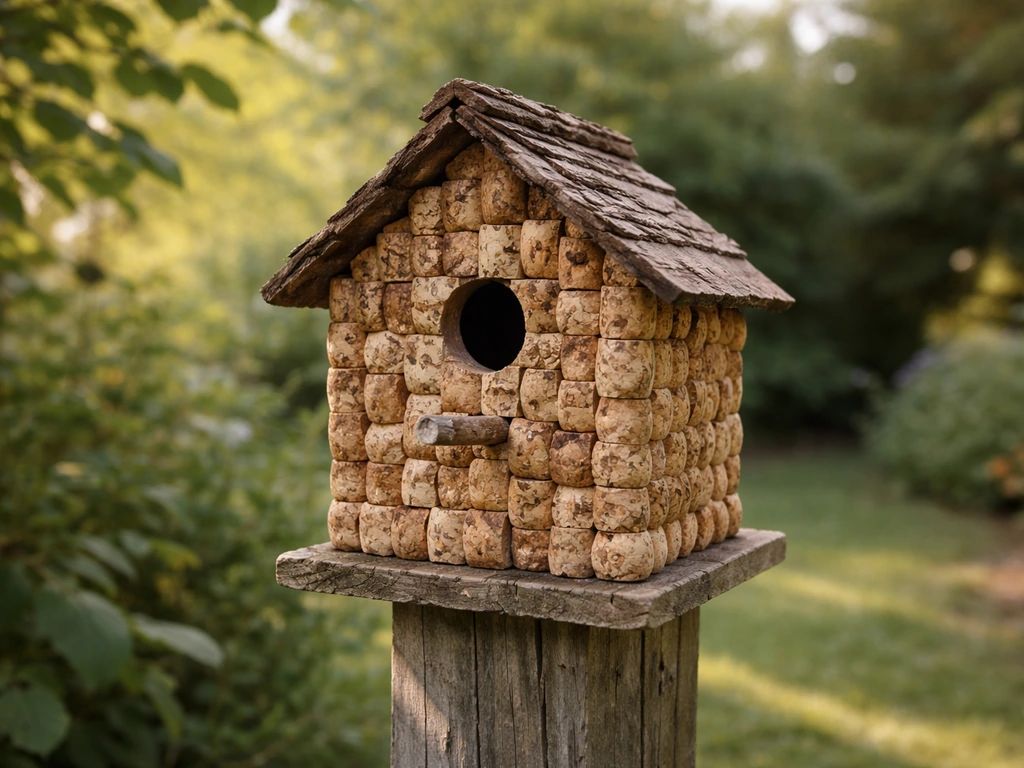
Wine Cork Bird House Instructions: DIY Steps and Bird-Safe Specs
Step-by-step wine cork mini birdhouse build with bird-safe dimensions, safe materials, mounting, cleaning, and weatherpr