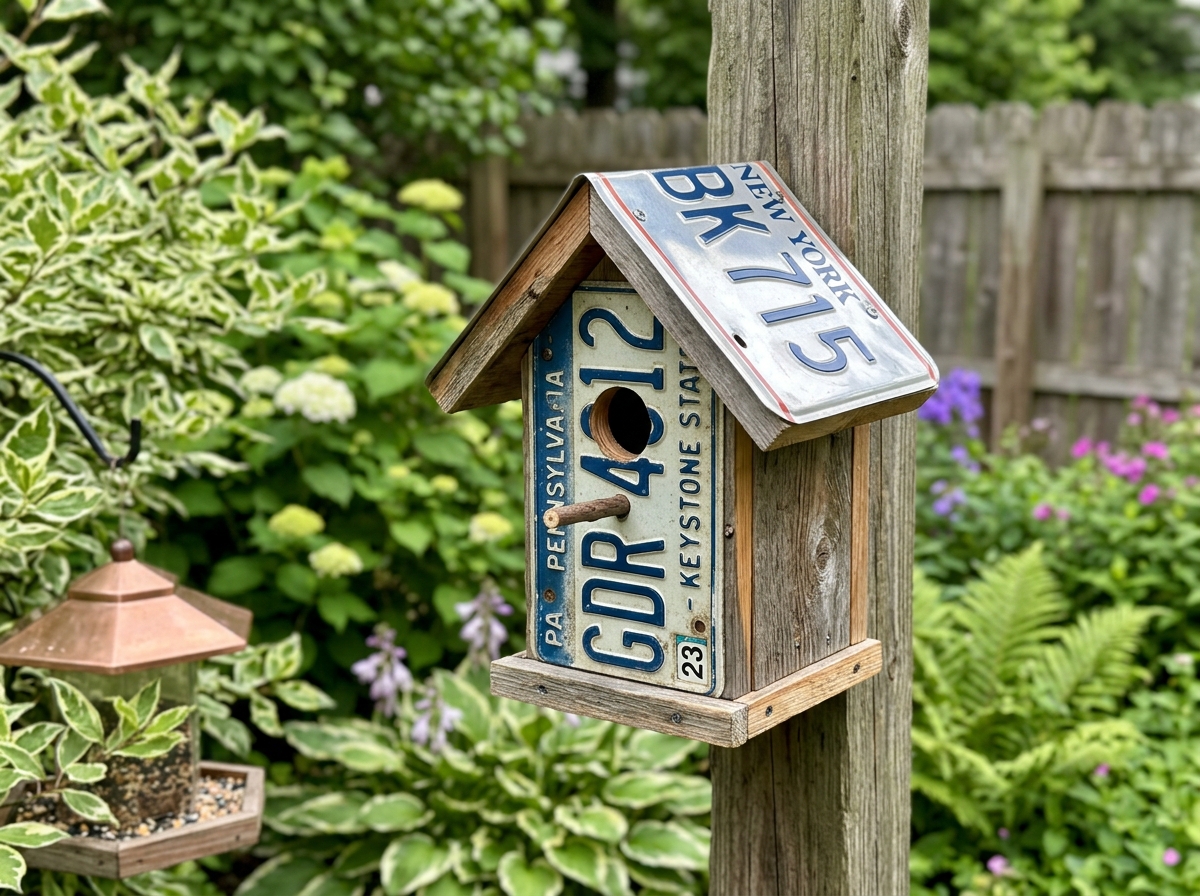
If you searched 'bird house of Cape May' expecting a wildlife refuge, a nature trail, or some kind of giant birdhouse display, you're not alone in the confusion. The Bird House of Cape May is actually a retail shop, a well-loved local business that has been serving backyard birders and Cape May visitors since 1995. It's not a government facility or a nature center, but it's a genuinely useful stop if you're into birds, and it doubles as a great launching point for actual birdwatching in one of the best migratory bird corridors in North America.
Bird House of Cape May Guide: Find It, Plan Your Visit

Maya Thompson
22 Mar 2026
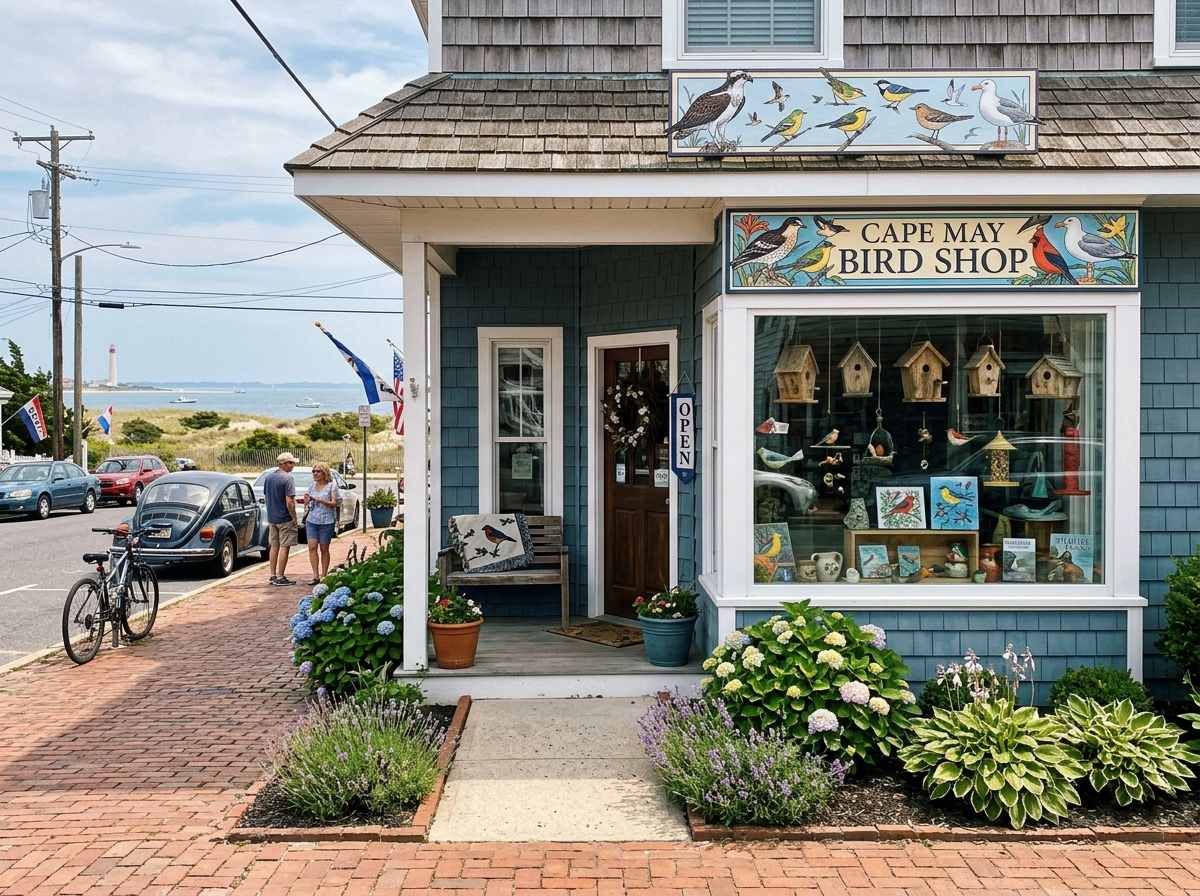
What 'The Bird House of Cape May' actually is
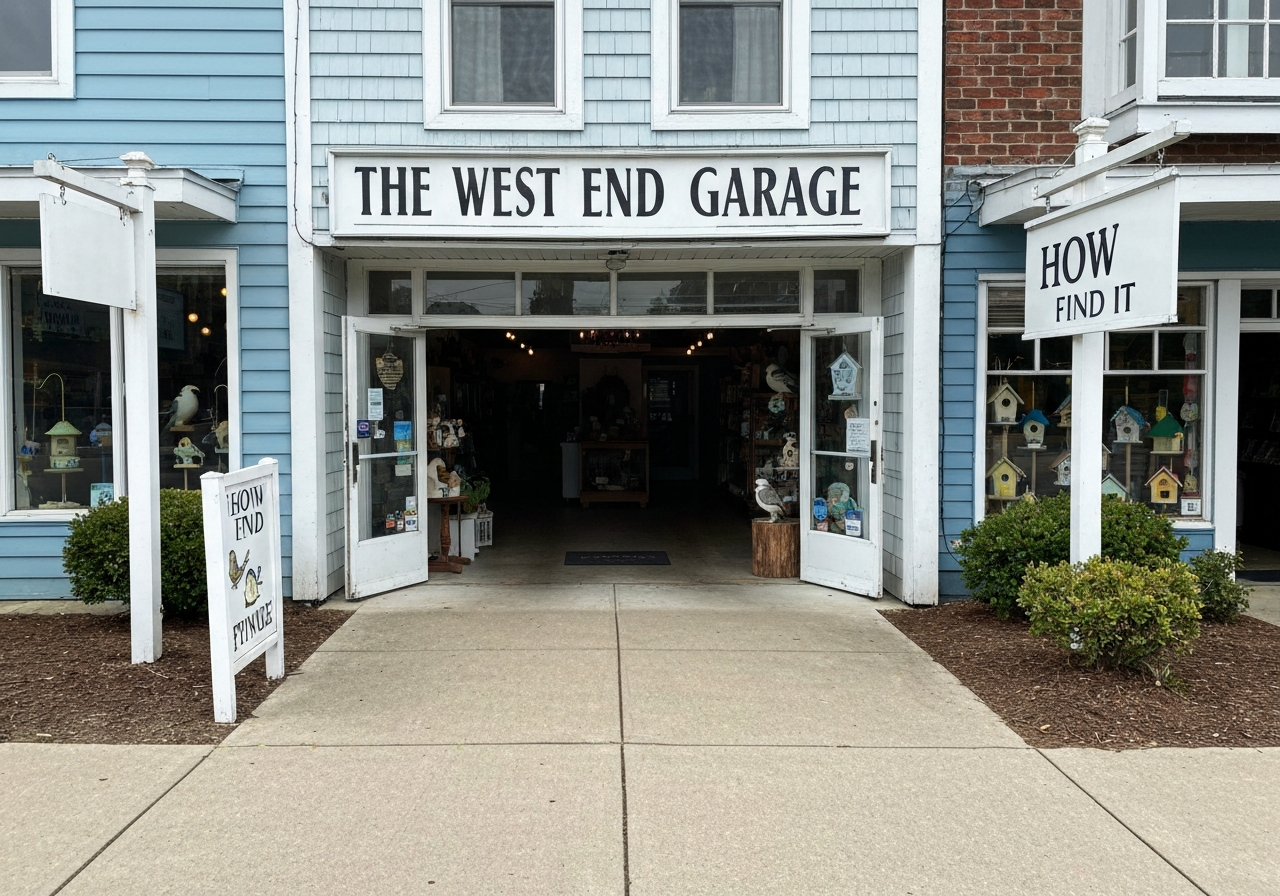
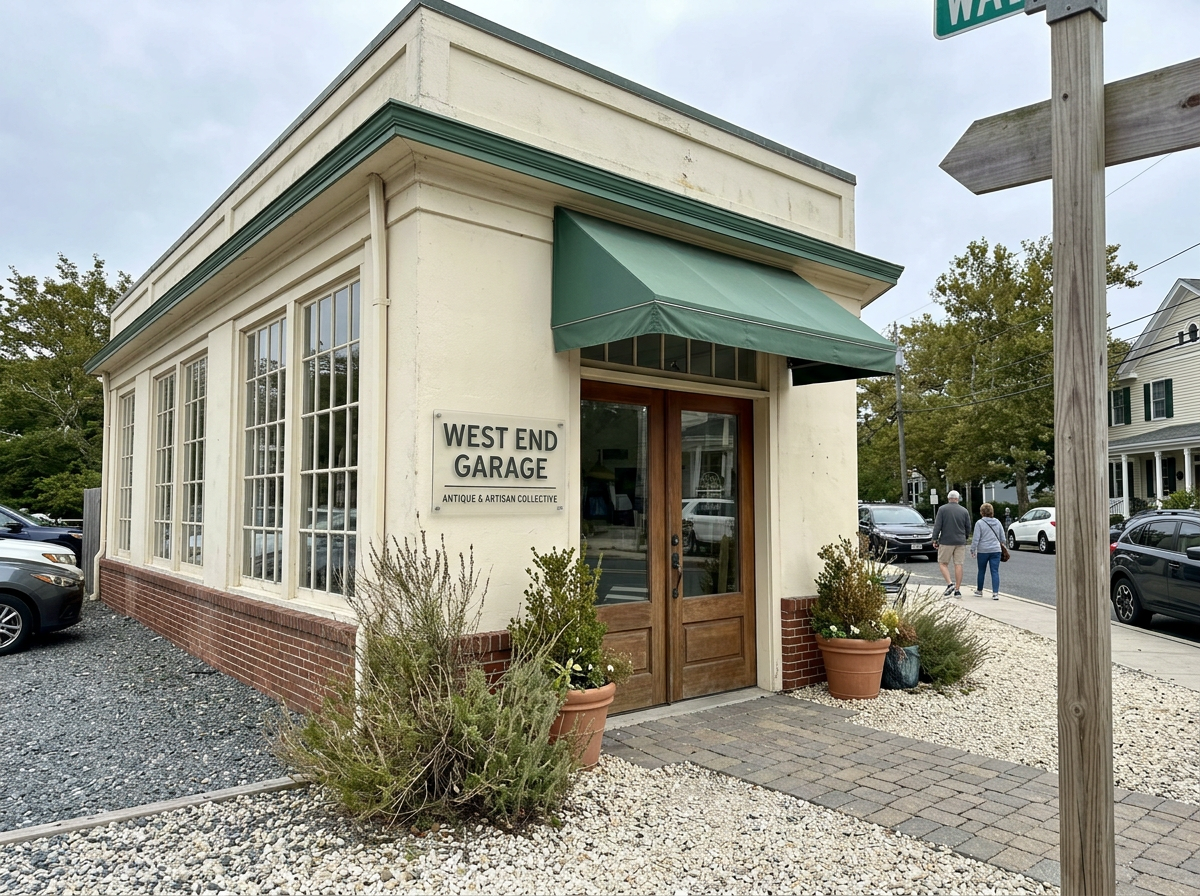
The Bird House of Cape May is a bird-themed gift and retail shop run by owners Sharon Flanagan and Ken Low. It's located at a spot called The West End Garage in Cape May, New Jersey. The shop specializes in products for backyard birders: feeders, seed, field guides, gifts, and their own popular Jingle Bird Wind Chimes, which have become something of a signature product. Think of it as the go-to local resource for anyone who wants to bird Cape May seriously or just pick up a gift with a nature theme. It is not a nature preserve, a museum exhibit, or a bird sanctuary.
That said, the shop functions as more than just retail. The staff know Cape May birding deeply, and the business actively publishes birding information, migration timing, and hotline resources for visiting birders. If you're new to birding in Cape May or just passing through and want to know what's flying right now, stopping in here is genuinely worth your time.
Where it is and how to find it today
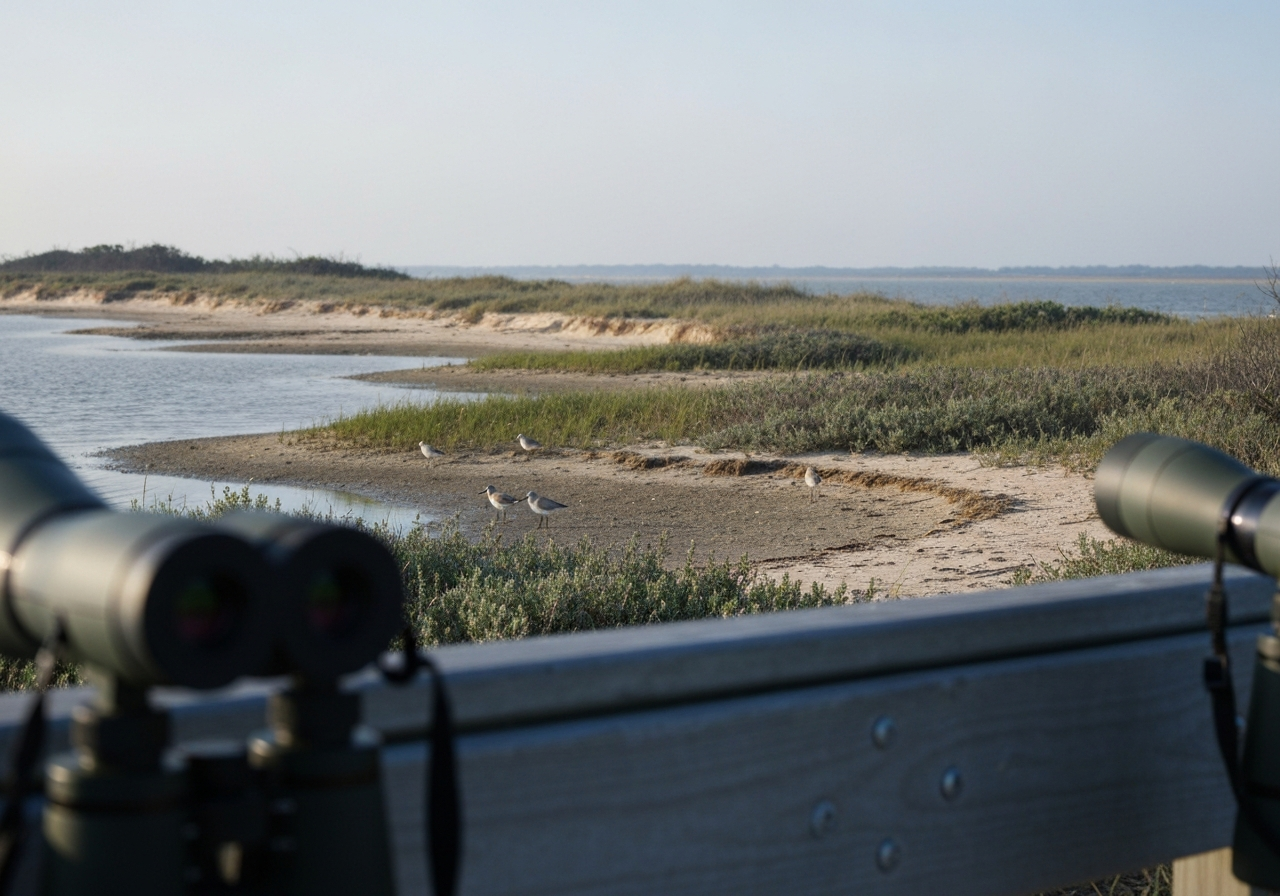
The shop is located at The West End Garage in Cape May, New Jersey. Cape May is at the very southern tip of New Jersey, easily reachable via the Garden State Parkway (take it all the way to its southern terminus). If you're coming by ferry, the Cape May-Lewes Ferry terminal is close by. Once you're in Cape May, The West End Garage is a recognizable local landmark, so asking any local or searching 'The Bird House of Cape May West End Garage' in Google Maps should pull up the correct pin. Before you go, do a quick search or call ahead to confirm current hours, since retail hours in Cape May shift seasonally, especially between the busy summer season and quieter winter months.
The shop's website (birdhouserocks.com) is the most reliable source for a current address, phone number, and any changes to operating hours. If Google Maps shows conflicting addresses or takes you somewhere weird, go directly to the website rather than trusting a third-party listing.
When to go for the best birdwatching and visibility
Cape May's reputation as a birding hotspot comes down to geography. It's a peninsula, so migrating birds funnel right through on their way south in fall and north in spring. The shop's own birding info page lays out the timing clearly, and it's worth knowing before you plan your trip.
| Migration Type | Peak Timing | What to Expect |
|---|---|---|
| Southbound Shorebirds | Late July | First wave of fall migrants, shorebirds moving south along coastal areas |
| Warblers and Flycatchers | Last week of August through first week of September | High diversity and numbers, excellent for warbler enthusiasts |
| General Fall Migration | September through November | Hawks, raptors, songbirds, waterfowl all moving through |
| Spring Migration | April through May | Northbound birds, slightly less concentrated but still excellent |
March 22, when you're reading this, sits right before spring migration really kicks off. April and May are your best windows right now. Morning hours (roughly 6 to 10 a.m.) are when bird activity peaks, so plan to be at birding spots early. The shop itself may keep more standard retail hours, but it's worth an early visit to the surrounding Cape May natural areas before stopping in.
What you'll see and how to spot birds in Cape May

The Bird House of Cape May shop itself is not a birding spot, but it's surrounded by some of the best birding habitat on the East Coast. Cape May Point State Park, Higbee Beach Wildlife Management Area, and the Cape May Migratory Bird Refuge are all within a short drive or even walking distance depending on where you're staying. The Cape May Bird Observatory (CMBO), which the shop references directly as a birding resource, runs walks, workshops, and has its own visitor center nearby.
In spring, look for warblers, vireos, tanagers, and orioles moving through the tree lines. Shorebird flats attract sandpipers and plovers starting in late July into fall. Hawk watching at Cape May Point draws big crowds in September and October when broad-winged hawks, sharp-shinned hawks, Cooper's hawks, and American kestrels funnel through in large numbers. Year-round, you'll find shorebirds, waterfowl, and resident songbirds.
For spotting tips: use binoculars with at least 8x magnification, wear neutral colors, move slowly near shrubs and woodland edges, and listen before you look. The Cape May Birding Hotline (referenced by The Bird House of Cape May on their birding info page) gives current sightings and is worth calling or checking before you head out.
Visitor logistics: parking, hours, tickets, and rules
At The Bird House of Cape May shop
- No tickets required: it's a retail shop, free to enter
- Hours vary by season: check the website or call before visiting, especially in early spring when hours may be limited
- Parking is available at or near The West End Garage; street parking in Cape May is generally manageable outside summer peak season
- The shop is a small retail space, so expect a relaxed, boutique atmosphere rather than a large attraction
At Cape May's birding spots (parks and refuges nearby)
- Cape May Point State Park: free entry, has a parking lot, accessible trails, and a hawk watch platform
- Higbee Beach WMA: free access, limited parking at the gate, no facilities on-site
- Cape May Migratory Bird Refuge: managed by The Nature Conservancy, free public access during daylight hours
- Cape May Bird Observatory's Northwood Center: check CMBO's website for current hours and any program fees
- Stay on marked trails and keep a respectful distance from nesting areas and wildlife
- No drones, no playback of bird calls in crowded birding spots (it disturbs birds and frustrates other birders)
- Dogs must be leashed in all state park areas
Accessibility varies by site. Cape May Point State Park has paved paths and a flat hawk watch platform that is wheelchair accessible. Higbee Beach and some trail sections are unpaved and uneven, so they're less suited for mobility devices. If accessibility is a priority, call CMBO or the state park directly before your visit.
If the location or online info isn't adding up
Cape May is a popular tourist town, and online listings for local businesses can be outdated, duplicated, or just plain wrong on third-party sites. Here's how to troubleshoot fast if something feels off.
- Go directly to the official website: birdhouserocks.com. This is the most reliable source for the current address, phone number, and hours.
- Search 'The Bird House of Cape May West End Garage' in Google Maps rather than just 'bird house Cape May,' which can pull up unrelated results like nature trails or other shops.
- Call ahead: a quick phone call confirms hours, parking, and whether they're open on the day you're visiting. Seasonal businesses in Cape May sometimes close mid-week in the off-season.
- If you can't reach them by phone or the website seems outdated, check their Facebook or Instagram pages, which small shops tend to update more frequently than their main websites.
- Don't confuse The Bird House of Cape May with the Cape May Bird Observatory (CMBO). They are separate organizations. CMBO is the nonprofit research and education center; The Bird House is the retail shop. Both are worth visiting, but they're different stops.
- If you're getting confused between birding locations in Cape May, use the Cape May Birding Hotline as your real-time ground truth for what's being seen and where.
How to plan your visit based on your goal
If you're a serious birder, use The Bird House as a resource stop: pick up local field guides, ask the staff what's been active lately, grab a Cape May trail map, and then head to Cape May Point State Park or Higbee Beach for actual birding. Spring migration is building right now through April and May, so timing is good.
If you're bringing family or kids, the shop is a low-pressure, interesting stop with gifts and wind chimes that kids usually find entertaining. Pair it with a walk at Cape May Point State Park, which has easy flat trails and a lighthouse kids can explore. The hawk watch platform is a great place to introduce kids to binoculars and birding without needing expert knowledge.
If photography is your goal, early morning at Higbee Beach during migration gives you songbirds in great light in open shrubby habitat. The hawk watch platform at Cape May Point is excellent for flight shots in fall. In spring right now, the warbler migration building through April and May offers some of the best songbird photography on the East Coast.
And if you're interested in eventually setting up your own backyard birding setup at home, the shop carries feeders, seed, and birdhouses, and the staff have three decades of experience advising people on exactly that. It's a practical stop whether you're visiting for a day or planning a longer birding trip to Cape May.
FAQ
Is the Bird House of Cape May the same thing as a bird sanctuary or wildlife refuge?
No, it is a retail bird-themed shop inside The West End Garage. It is best used as a planning stop for local birding information, then you go to nearby habitat areas for wildlife viewing.
Do I need to be an experienced birder to stop by?
Not at all. The staff is familiar with current local activity and can suggest what to look for. If you are new, ask for a beginner field guide and a simple “what’s been seen lately” rundown before heading out.
What’s the best time to visit the shop if I also want to bird that day?
For most visitors, go early morning for birding then stop at the shop after you check your schedule. If you want staff tips about what is active, call ahead so you do not arrive after the busiest morning window for sightings.
Can I rely on Google Maps for the address and hours?
Use Google Maps for basic navigation, but verify because third-party listings can be outdated or duplicated. The most reliable approach is to confirm address, phone number, and current hours directly through the shop’s website before you drive in.
What should I ask the staff for when I walk in?
Ask for the “current targets” for the day (for example warblers, shorebirds, or hawk movement) and which nearby area is producing sightings right now. Also ask what gear they recommend for the specific habitat you plan to visit (binoculars, scope, or field guide).
Is the shop itself a good place to spot birds?
It is not the birding location. Treat it as a resource stop, then plan to bird at nearby areas like Cape May Point State Park or Higbee Beach depending on the season and the species you are hoping to see.
Do I need special gear like a spotting scope?
A good pair of binoculars (8x or higher) is usually enough for most visitors, especially for songbirds and general migration. If you plan to focus on distant hawk watching or far shorebird viewing, a scope can help, and the shop staff can advise what type fits your budget.
How can I reduce confusion if I do not know where to start birding after visiting the shop?
Pick one nearby area based on your time window, then follow one “route” rather than trying to cover everything. For example, mornings are strongest for general activity, while hawk watching at Cape May Point is often most productive during the fall migration window.
Are some birding spots harder to access than others?
Yes. Cape May Point State Park is generally more accessible with paved paths and an accessible hawk watch platform, while parts of Higbee Beach and some trails are uneven or unpaved. If accessibility matters, call ahead to confirm trail conditions and the best viewing area for your needs.
What if I travel with kids, strollers, or mobility equipment?
Choose the easiest flat paths and planned viewpoints first, then use the shop as a low-pressure stop for gifts and quick guidance. The hawk watch platform can be a good intro because it offers a stable place to use binoculars.
When is the shop most useful if I am trying to time migration?
The shop can help you interpret current timing, especially during the spring buildup in April and May (and also in fall for hawk and shorebird movement). Ask what the last couple of days have looked like so you do not rely only on broad seasonal expectations.
What should I do if my goal is photography rather than just seeing birds?
Plan around early morning light and the right habitat type. For open, shrubby areas during migration, morning at Higbee Beach can produce good conditions, while the hawk watch platform is typically better for flight-focused shots.
Does the shop sell birdhouses or gear for backyard birding?
Yes. In addition to feeders and seed, they carry birdhouses and the staff can advise on setup. If you want to avoid common mistakes, ask what to place, where to mount it, and how to attract the species you want.
Is there a hotline or current-sightings option I should use before heading out?
Yes, the Bird House references a Cape May birding hotline. It is especially useful when weather changes quickly or when you are deciding between two nearby areas for the next few hours.
Next Article
License Plate Bird Houses: DIY Plans and for Sale Guide
DIY and buying guide for license plate bird houses with step-by-step plans, sizing, weatherproofing, and quality checkli